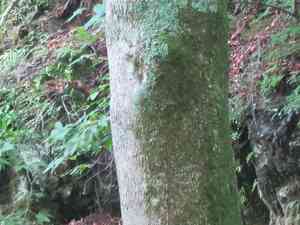
Japanese horse-chestnut (Aesculus turbinata)
Also known as: Japanese Horse Chestnut
The seeds of the deciduous Japanese Horse-Chestnut (Aesculus turbinata) are rich in saponin, a bitter and toxic compound. This tree is popular as an ornamental plant and typically thrives in deciduous forests, particularly on moist slopes. Its flowers, which are yellow and white, bloom from early to mid-summer.
In This Article
Attributes of Japanese horse-chestnut
Lifespan
Perennial
Plant Type
Tree
Plant Height
9 m
Spread
6 m
Leaf Color
Dark green
Flower Size
3-4 cm
Flower Color
White Pink Cream
Images of Japanese horse-chestnut
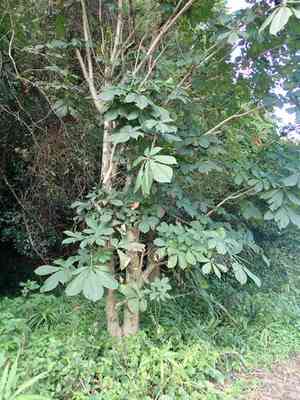
Quickly Identify Japanese horse-chestnut
1
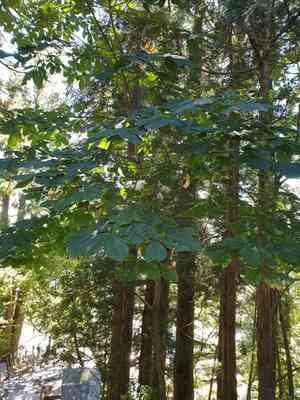
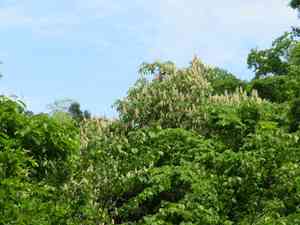
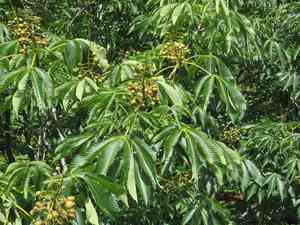
Look for large, palmate leaves with typically seven leaflets, each being 10-25 cm long. Flowers are white with yellow to pinkish blotches and bloom in large upright clusters.
Scientific Classification of Japanese horse-chestnut
Phylum
Vascular plants
Class
Dicotyledons
Order
Sapindales
Family
Soapberry
Genus
Buckeye
Species
Japanese horse-chestnut
Planting and Growing of Japanese horse-chestnut
Care Difficulty
Easy
Watering Schedule
Every 3 days
Sunlight Requirements
Partial sun
Sunshine Duration
4-8 hours
Ideal Temperature
68-77℉
Soil Type
Potting Mix, Peat Mix
Soil pH
6.5-7.5
Fertilizer Type
Balanced
Pruning Season
Spring, Summer
Pruning Area
Branches, Leaves
Pruning Frequency
2 times a year
Repotting Season
Spring
Pot Type
Plastic, Ceramic
 How to Water Japanese horse-chestnut?
For Aesculus turbinata, providing around 300 milliliters of water per session ensures the soil remains consistently moist, but not waterlogged. The aim is to hydrate the soil evenly without causing any root disturbance. Check the top inch of soil; if it feels dry, it's time to water.
What are the symptoms of an underwatered Japanese horse-chestnut?
›
What should I do if my Japanese horse-chestnut is not getting enough water?
›
What are the symptoms of an overwatered Japanese horse-chestnut?
›
How to save an overwatered Japanese horse-chestnut?
›
 What Are the Sunlight Requirements for Japanese horse-chestnut?
Partial sun, allowing exposure to mild direct light, results in balanced foliar growth and flowering without compromising health.
More About Sunlight Requirements Techniques→
Ideal amount of sunlight?
›
How to achieve ideal lighting?
›
Benefits of ideal lighting?
›
 What Is the Ideal Temperature Range for Japanese horse-chestnut?
The ideal temperature range for Aesculus turbinata is between 68°F and 77°F. This range provides optimal conditions for photosynthesis and growth, ensuring that the plant develops robust foliage and strong structure. Maintaining this temperature helps in reducing plant stress and promoting healthy physiological processes.
 What Soil is Best for Japanese horse-chestnut?
Aesculus turbinata thrives in soils that can retain moisture without becoming waterlogged. This characteristic helps the plant maintain its lush foliage and supports healthy growth, especially during dry spells. The plant benefits from nutrient-rich soil, which provides essential minerals and organic matter. Such soil ensures robust development and boosts resistance against pests and diseases. While the plant requires moist soil, good drainage is crucial to prevent root rot. Proper drainage allows excess water to escape, ensuring the roots remain healthy and oxygenated.
 How to Fertilize Japanese horse-chestnut?
The fertilization amount for Aesculus turbinata should be moderate, as it is sensitive to over-fertilization. Use around 100 grams of slow-release fertilizer per square meter of soil annually. For liquid fertilizers, dilute according to package instructions, usually around 10 ml per liter of water.
 How to Prune Japanese horse-chestnut?
Prune Aesculus turbinata in late winter or early spring before new growth appears. This timing reduces stress on the tree and encourages vigorous spring growth. Autumn pruning helps in removing diseased wood before dormancy. Focus on maintaining the tree's natural shape by removing crossed, weak, or inward-growing branches. Begin by making cuts at a 45-degree angle just above outward-facing buds, encouraging outward growth and more open structure for better air circulation.
More About Pruning Techniques→
 How to Propagate Japanese horse-chestnut plant?
1
Harvest seeds from mature Aesculus turbinata trees in the autumn. Ensure that the seeds are fully developed and free of any signs of damage or disease before storing them for the winter.
2
Select a healthy branch during early spring for cutting. Cut at a 45-degree angle and ensure a length of at least 6 inches. Remove any leaves from the lower half to prevent rot once planted.
3
Grafting should be done in early spring. Carefully join a scion of Aesculus turbinata to a compatible rootstock. Use grafting tape to ensure a snug fit and to prevent moisture loss.
 How to Repot Japanese horse-chestnut plant?
1
Aesculus turbinata needs repotting when its roots begin to circle the pot or emerge through the drainage holes. The ideal time to repot is during its dormant phase in early spring or late autumn, as this minimizes transplant shock and allows the plant to recover and establish its roots more effectively.
2
Select a pot that is one size larger than the current one and ensures good drainage. The pot should have adequate room for root expansion, which promotes healthy growth. A pot that is too large can lead to waterlogging, so moderation in size is key to avoid root rot.
3
Use a rich, well-drained soil mix that holds moisture without becoming soggy. This helps prevent root rot and ensures that the roots receive adequate nutrients. Incorporating organic matter like compost can enhance the soil's nutrient profile, providing a stable growth medium for Aesculus turbinata.
Toxicity
if consumed or even touched
WARNING
The judgment on toxicity and danger is for reference only. We DO NOT GUARANTEE any accuracy of such judgment. Therefore, you SHALL NOT rely on such judgment. It is IMPORTANT TO SEEK PROFESSIONAL ADVICE in advance when necessary.



