Optimal Soil for Growing Beauty bush: What You Need to Know
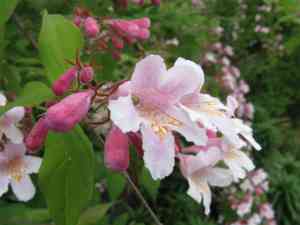
1
Beauty bush flourishes in rich, well-aerated soil.
2
Beauty bush prefers a soil pH level from 6.5 to 8.
3
Adding organic material like compost greatly enhances soil conditions for Beauty bush.
Optimal Soil Type for Beauty bush
Loamy Soil
Beauty bush thrives in loamy soil, a balanced blend of sand, silt, and clay. This soil type provides an ideal mix of moisture retention and effective drainage. Loamy soil is nutrient-rich, which is perfect for the robust development of this ornamental shrub.
Well-Draining Soil
Planting your Beauty bush in soil that drains well is essential. While this shrub appreciates moist conditions, it is highly vulnerable to root rot if left in standing water. You can assess your soil's drainage by digging a small hole and filling it with water. If it empties within a few hours, your soil drains effectively.
Slightly Acidic to Neutral pH
Beauty bush prefers a soil pH between 6.5 and 8. Maintaining the pH within this range ensures that vital nutrients are readily available to the plant. Regular pH testing and adjusting with lime (to increase pH) or sulfur (to decrease pH) can help maintain optimal conditions.
Enhancing Soil for Beauty bush
Adding Organic Matter
Incorporating organic matter into your soil can improve its structure, fertility, and drainage. Materials like leaf mold, well-rotted manure, and shredded bark can be mixed into the soil to boost its quality.
Utilizing Compost
Compost serves as an excellent amendment for Beauty bush. It enriches the soil with crucial nutrients and beneficial microorganisms. To apply compost, spread a 2-3 inch (5-7.5 cm) layer over the soil and blend it into the top 12 inches (30 cm).
Preventing Soil Compaction
Soil compaction can hinder root growth and reduce water absorption. To avoid compaction, refrain from walking on the soil around your Beauty bush and use mulch to protect the soil surface. Mulching also aids in moisture retention and weed suppression.
Beauty bush Watering Requirements
Consistent Watering Schedule
Establishing a consistent watering routine is vital for the health of Beauty bush. Water deeply once a week, providing approximately 1 inch (2.5 cm) of water each time. In hot or dry periods, you might need to water more frequently.
Ensuring Proper Drainage
Confirm that the soil around your Beauty bush has adequate drainage to prevent waterlogging. If the area tends to hold water, consider planting the shrub in a raised bed or on a gentle slope.
Signs of Overwatering
Excessive watering can lead to root rot and other problems. Indicators of overwatering include yellowing leaves, soft stems, and an unpleasant smell from the soil. If these symptoms appear, reduce watering immediately and improve soil drainage.
How to Test Soil for Beauty bush
Using a Soil pH Test Kit
A straightforward and effective method to test your soil's pH is by using a soil pH test kit, available at most garden centers. To use the kit, take a soil sample, mix it with water, and add the test solution. Compare the resulting color to the provided pH chart.
Assessing Soil Texture
Soil texture can be evaluated using a simple jar test. Fill a jar with soil and water, shake it vigorously, and allow it to settle for 24 hours. The soil will separate into layers of sand, silt, and clay, enabling you to determine its composition.
Evaluating Soil Drainage
To check soil drainage, dig a hole about 30 cm (12 inches) deep and fill it with water. Observe how long it takes for the water to drain. Ideally, it should drain within a few hours, indicating good drainage characteristics.
Typical Soil Issues for Beauty bush
Poor Drainage or Waterlogging
Inadequate soil drainage can result in waterlogging, causing root rot and other health problems. To fix this, amend your soil with organic matter and consider installing a drainage system or cultivating your Beauty bush in a raised bed.
Soil Nutrient Deficiencies
Soil lacking essential nutrients can hinder the growth of Beauty bush. Regularly fertilize the soil with a balanced fertilizer and incorporate compost to naturally replenish nutrients.
Soil Compaction
Soil compaction can impede root development and water penetration. To alleviate compaction, aerate the soil and avoid heavy foot traffic around the plant. Mulching can also help prevent compaction and maintain soil health.



