Enhancing Your Garden Design with the Beauty bush Plant: A Landscaping Guide
1
Beauty bush offers continuous aesthetic charm through its evolving seasonal hues.
2
Selecting an appropriate location, factoring in light exposure and soil type, is vital for Beauty bush's best development.
3
Consistent upkeep, encompassing trimming and seasonal attention, guarantees the enduring vitality of Beauty bush.
Introducing the Beauty bush in Garden Design
An overview of the Beauty bush's visual appeal and decorative value.
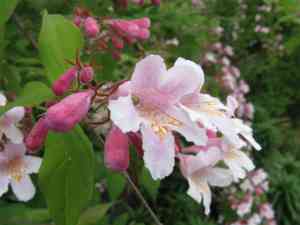
A primary reason gardeners and landscape designers favor the Beauty bush is its striking visual charm. This lovely shrub boasts abundant green foliage that beautifully complements its vivid pink blooms, making it a focal point in any garden. Its gracefully arching branches create a flowing effect, adding sophistication and allure to your outdoor space. The flowers are not only attractive but also draw in pollinators, enhancing your garden's ecological benefit.
Seasonal transformations and the aesthetic impact of the Beauty bush.
The Beauty bush is renowned for its remarkable capacity to change with the seasons. In spring and early summer, it bursts forth with clusters of magnificent pink flowers. As the seasons progress, the blossoms give way to appealing seed pods, and the foliage adopts stunning autumn shades, ranging from golden yellow to deep red. This seasonal shift guarantees that the Beauty bush remains a central feature in your garden, offering year-round interest and beauty.
Selecting the Ideal Location for Your Beauty bush
Assessing sunlight requirements for optimal growth and beauty.
To ensure your Beauty bush flourishes, it's crucial to choose a site that meets its sunlight needs. Beauty bush thrives best in full sun to partial shade. Ideally, pick a spot that receives at least six hours of direct sunlight daily. However, it can tolerate some shade, especially in warmer climates, where afternoon shade can help prevent leaf scorch and maintain its vibrant look.
Understanding soil preferences to enhance the Beauty bush's health.
Beauty bush prefers well-draining soil rich in organic matter. Sandy loam or loamy soil is perfect for its development. Before planting, consider enriching your soil with compost or aged manure to boost its fertility and drainage. Ensuring the soil pH is slightly acidic to neutral (around 6.0 to 7.5) can also promote vigorous growth. Proper soil preparation sets the foundation for a strong and thriving Beauty bush in your landscape.
Integrating Beauty bush into Your Existing Landscape
Companion plants and color schemes.
Beauty bush pairs wonderfully with various other plants, creating a harmonious and visually pleasing garden. Consider planting it alongside other spring-flowering shrubs like lilacs and azaleas for a spectacular display of color. For a balanced appearance, combine Beauty bush with perennial flowers such as daylilies and coneflowers that complement its pink blossoms. Utilizing diverse foliage colors and textures can add depth and intricacy to your garden design, enhancing the overall aesthetic.
The Beauty bush's role in your overall garden design.
Incorporating Beauty bush into your garden design can be a simple yet impactful decision. Use it as a specimen plant to create a focal point in your yard. Its arching branches and abundant blooms make it an excellent choice for standalone planting in open areas. Alternatively, it can be used as part of a mixed shrub border, providing a lush and colorful backdrop for other plantings. Its adaptability allows it to fit seamlessly into both formal and informal garden styles.
Maintaining Beauty bush for Enduring Success
Pruning advice to sustain health and attractive shape.
Regular pruning is vital to maintain the health and aesthetic form of the Beauty bush. The optimal time to prune is immediately after its flowering period, typically in late spring to early summer. Remove any dead or damaged wood and thin out the center to improve air circulation. Lightly trim the outer branches to shape the shrub and encourage more prolific blooming in the subsequent season. Avoid severe pruning, which can diminish its flowering potential.
Seasonal care tips to keep Beauty bush flourishing.
Seasonal care ensures that the Beauty bush remains healthy and vibrant year after year. In early spring, apply a balanced fertilizer to stimulate growth and flowering. During dry spells, ensure the shrub receives adequate water, especially when it is young and establishing its root system. Mulching around the base can help retain soil moisture and suppress weeds. In colder climates, consider providing winter protection, such as burlap wraps, to shield it from harsh winds and frost.
Common Challenges and Solutions with Beauty bush
Addressing pests and diseases affecting Beauty bush.
Beauty bush is relatively resistant to pests and diseases, but it is not entirely immune. Common pests include aphids and spider mites, which can be managed using insecticidal soap or horticultural oil. Fungal diseases like powdery mildew can occur in humid conditions; good air circulation and proper spacing can help prevent this. If you notice any signs of disease, promptly remove and dispose of affected plant parts to reduce spread.
Weather-related concerns and protective measures.
Weather can present challenges for Beauty bush, particularly in extreme conditions. In hot climates, ensure it receives sufficient water and some afternoon shade to prevent leaf burn. In cold regions, protect Beauty bush from winter winds and frost with burlap or other protective coverings. Mulching can help insulate the root system against temperature fluctuations. By taking these proactive steps, you can safeguard your Beauty bush and ensure its longevity in your garden.



