How to Prune Beauty bush?
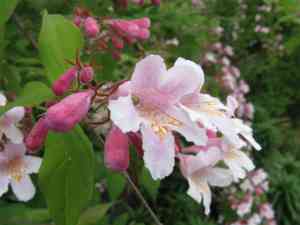
This leaf-shedding shrub, admired for its gracefully arching limbs and abundant pink flowers, flourishes with consistent care. The most effective pruning for beauty bush entails reducing older growth and eliminating one-fifth of the most mature stalks each year, immediately following blooming to encourage revitalization. The beginning of spring is the perfect period for pruning, guaranteeing the plant's vitality is directed towards generating fresh growth rather than expended on undesirable branches. This targeted trimming improves light access and air movement, fostering general well-being and a wealth of blooms.
Advantages of Trimming Beauty Bush
Advantages of Trimming Beauty Bush
Trimming beauty bush encourages fresh development, resulting in a more robust plant. Regular shaping helps maintain its desired form and fosters a neat, well-kept garden appearance.
Optimal Time for Pruning Beauty Bush
Optimal Time for Pruning Beauty Bush
Early spring is considered the best time for pruning beauty bush because the plant is still dormant, which minimizes stress and allows for quick recovery as the growing season begins. Pruning at this time also helps maintain the plant's natural shape, promotes new growth, and ensures a healthier flowering period since beauty bush blooms on old wood. Removing dead or damaged branches or thinning the plant during this season will prepare it for a more vigorous bloom in late spring to early summer. It is crucial to avoid late summer or fall pruning, as this can stimulate new growth that may not survive winter temperatures.
Required Tools for Pruning Beauty Bush
Hand Pruners
For cutting smaller stems and branches. Beauty bush may have slender twigs that are easily cut with hand pruners, which provide precise and clean cuts essential for healthy growth.
Loppers
When dealing with slightly larger branches, the extended reach and increased cutting power of loppers make them suitable for cutting thicker branches that hand pruners cannot manage.
Pruning Saw
For the thickest branches on beauty bush, a pruning saw is essential. Its sharp teeth can handle branches too thick for loppers, ensuring a clean cut without harming the plant.
Gloves
To protect hands from scratches and the sticky sap that may be present when pruning beauty bush, durable gloves are necessary.
Safety Glasses
To shield eyes from flying debris during the pruning of beauty bush, always wear safety glasses.
How to Prune Beauty Bush
Step1: Timing Pruning Post-Bloom
Wait for the appropriate time to prune beauty bush, which is immediately after the blooming period concludes, typically in late spring or early summer. At this point, it is easier to identify which parts require pruning without impacting next year's flowers.
Step2: Identify Unhealthy Wood
Inspect beauty bush for any dead, diseased, or damaged wood. These are usually branches that appear brown and dry, and they may be cracked or show signs of infection. Removing these parts will prevent disease spread and improve air circulation.
Step3: Prepare Sterile Pruning Tools
Use clean, sharp pruning shears for making cuts. Disinfect your tools before starting, especially if you're cutting diseased wood, to avoid transferring pathogens to healthy parts of beauty bush.
Step4: Remove Dead Branches
Begin by trimming away the dead wood. Make your cuts at the base of the unwanted branches, close to the main stem or to a healthy side branch. Ensure your cuts are clean and smooth to promote quick healing.
Step5: Spot Overgrown Shoots
Assess beauty bush for overgrown shoots, which may cause the bush to appear too dense and may obstruct light and air from reaching the inner areas. Identify the oldest and thickest shoots that are crowding the plant's center.
Step6: Thin Out Older Stems
Thin out the overgrown shoots by cutting back up to one-third of these older stems. Prune them at varying heights to maintain a natural shape and to encourage new growth from the base.
Step7: Shape Plant
Shape beauty bush by cutting the overgrown shoots to maintain the desired size and form. Make angled cuts just above outward-facing buds to direct new growth away from the center of the bush.
Step8: Clean Up Pruning Debris
After pruning, clear away all the cuttings from around beauty bush to deter pests and diseases. Dispose of or compost the healthy trimmings and discard any diseased material.
Step9: Observe Pruning Outcomes
Monitor beauty bush for its response to pruning. If you notice abnormal growth or poor flowering next season, consider adjusting your pruning technique accordingly.
Step10: Care for Plant Post-Pruning
Finally, provide beauty bush with the necessary care after pruning. Water it adequately, add mulch to retain moisture, and provide fertilization if needed to promote healthy new growth.
Post-Pruning Care for Beauty Bush
Post-Pruning Care for Beauty Bush
Immediately after pruning beauty bush, ensure sufficient water to minimize transplant shock. Place beauty bush in partial sun to avoid intense light stress. Maintain ambient humidity and a stable temperature, avoiding extremes. Apply a balanced, slow-release fertilizer to support regrowth, but avoid overfeeding. Regularly inspect beauty bush for wilting, discoloration, or signs of disease. If symptoms appear, adjust care and consult a horticulturist for potential treatments. These steps will promote a vigorous and healthy recovery.
Common Pruning Errors with Beauty Bush
Excessive pruning causing plant stress
Pruning too much in one session, which can stress beauty bush and lead to a weakened plant structure.
Cutting old wood inhibits new growth and flowering
Cutting into the old wood of beauty bush that no longer produces new shoots, potentially harming the plant's natural shape and reducing its flowering potential.
Dull and dirty tools leading to disease
Using dull or dirty pruning tools can cause jagged cuts and introduce diseases to beauty bush.
Neglecting to remove dead or diseased branches
Overlooking the removal of dead, damaged, or diseased branches; this can lead to pest and disease issues in beauty bush.
Pruning against natural growth habit
Ignoring the natural arching habit of beauty bush by pruning into a formal shape, which can suppress its natural beauty and vigor.
Common Pruning Advice for Beauty Bush
Use sharp, clean tools for healthy cuts
Use sharp, clean pruning shears to make clean cuts that will heal quickly and prevent disease entry in beauty bush.
Thin old stems to encourage rejuvenation
Focus on thinning out older stems to ground level every few years to encourage rejuvenation and maintain the shrub's natural form and density.
Prune post-flowering for bloom preservation
Prune beauty bush immediately after flowering to preserve the current season's bloom and stimulate next year's growth without affecting the flowering cycle.
Prune for outward growth for open shape
When shortening branches, prune just above a set of leaves or a bud that faces outward to encourage beauty bush to grow in a more open and attractive shape.
Balance new and old wood for optimal flowering
Maintain a good balance between new and old wood, as beauty bush flowers best on the previous year's growth.



