The Beauty bush Plant Advantage: Maximizing Home and Office Appeal and Wellness
1
Beauty bush draws in numerous helpful pollinators like bees and butterflies.
2
This shrub is celebrated for its stunning floral show, capable of enhancing any garden.
3
It needs little care after it's settled, perfect for gardeners with limited time.
What Makes Beauty bush So Special?
Visual Appeal
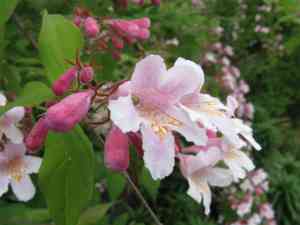
Beauty bush is admired for its impressive floral display, showcasing an assortment of soft pink to white bell-shaped blossoms. These flowers emerge in late spring to early summer, creating a striking visual impact. The blooms often emit a subtle scent, adding another sensory element to your garden.
Seasonal Interest
Beyond its floral charm, Beauty bush offers appeal throughout the year. Its vibrant green leaves transform into a captivating golden-yellow in autumn, providing a dynamic and ever-changing landscape. This makes Beauty bush an excellent option for gardeners seeking a plant that is visually engaging across multiple seasons.
How Does Beauty bush Benefit Your Garden Ecosystem?
Attracts Pollinators
Beauty bush acts as a draw for beneficial pollinators like bees, butterflies, and hummingbirds. These pollinators play a vital role in the ecosystem by aiding in plant fertilization, leading to seed production and the continuation of plant species. By cultivating Beauty bush, you contribute to the vitality and health of your garden's ecosystem.
Supports Biodiversity
Beyond drawing pollinators, Beauty bush also supports a diverse array of other garden wildlife. Its dense foliage offers shelter and nesting spots for small birds and insects. This fosters a more balanced and sustainable environment, boosting the overall biodiversity of your garden.
Is Beauty bush Low Maintenance?
Minimal Watering Needs
Once established, Beauty bush exhibits high drought tolerance. It requires infrequent watering, making it an ideal choice for gardeners seeking a plant with minimal upkeep. This resilience allows you to enjoy its beauty without constant attention.
Frost Resistance
Beauty bush is also recognized for its hardiness, capable of enduring cold winter temperatures. This frost resistance ensures the plant will not only survive but flourish in various climates, thereby reducing concerns about plant loss during colder months.
Where Should You Plant Beauty bush?
Ideal Locations
Beauty bush prefers well-drained soil and can thrive in a range of light conditions from full sun to partial shade. It is highly adaptable and can be utilized as a solitary specimen, in mixed borders, or even as a flowering hedge.
Companion Planting
Consider planting Beauty bush alongside complementary perennials such as lavender, echinacea, or hydrangeas. These companion plants not only enhance aesthetic appeal but also create a mutually beneficial growing environment, improving soil health and deterring pests.
How to Care for Your Beauty bush Plant?
Pruning Tips
Pruning is crucial to maintain the shape and encourage blooming of Beauty bush. The optimal time to prune is immediately after the flowering period. Remove any dead or weak stems to allow for better air circulation and to stimulate new growth.
Fertilization
While Beauty bush is not particularly demanding regarding fertilization, applying a balanced, slow-release fertilizer in early spring can boost its vigor and flower production. Avoid excessive fertilization, as it may result in abundant foliage growth at the expense of flowers.



