Optimal Soil for Growing Crown daisy: What You Need to Know
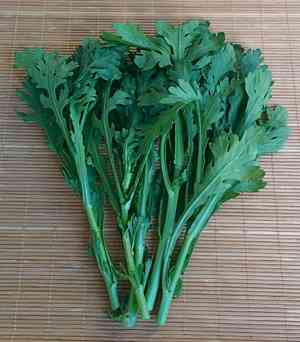
1
Crown daisy flourishes in sandy loam soil that drains effectively, ideally with a pH between 6.5 and 7.5.
2
Incorporating organic materials such as compost or manure on a regular basis can greatly enhance the soil for Crown daisy.
3
Yearly soil analysis assists in identifying and resolving nutrient shortages promptly, encouraging strong development.
Optimal Soil Type for Crown Daisy Cultivation
Soil with Good Drainage
A healthy foundation for cultivating Crown daisy starts with selecting soil that drains well. This type of substrate prevents excess water from pooling around the root system, which could lead to root rot and similar problems. A properly draining mix permits water to pass through effectively, providing vital oxygen to the roots. To boost the soil's drainage capacity, consider incorporating perlite, sand, or small gravel into your soil blend.
Sandy Loam Composition
For Crown daisy, sandy loam soil is perfect due to its well-balanced structure, which combines sand, silt, and clay. Sandy loam not only drains efficiently but also retains moisture rich in nutrients in an optimal way, supporting the plant's robust growth. To achieve this mix at home, combine garden soil with sand, ensuring a ratio that allows for both drainage and adequate moisture retention.
Soil pH Range
Crown daisy flourishes in soil that is slightly acidic to neutral, with the optimal pH level ranging from 6.5 to 7.5. Maintaining this pH range ensures that the plants can efficiently absorb necessary nutrients from the soil. You can evaluate your soil's pH using a home testing kit or by sending samples to a local agricultural extension service. If the pH is too high or low, adjustments can be made using sulfur to acidify or lime to alkalize the soil, respectively.
Preparing Soil for Crown Daisy Planting
Assessing Soil Quality
Prior to planting Crown daisy, it's crucial to assess the soil to understand its current state regarding pH and nutrient concentrations. Utilizing a basic soil testing kit, available at garden centers, allows you to gain insights into the soil's makeup and implement necessary modifications. Understanding the soil's initial conditions helps in creating the best growing environment for your plants.
Incorporating Organic Matter
Organic amendments such as compost, aged manure, and leaf mold can significantly enhance soil structure, drainage, and nutrient content for Crown daisy. Integrate a generous quantity of organic matter into the topsoil before planting. This practice not only boosts fertility but also encourages beneficial microbial activity, improving overall soil health.
Modifying Soil pH
If your soil pH falls outside the optimal 6.5 to 7.5 range for Crown daisy, modifications are necessary. To decrease the pH and make the soil more acidic, you can introduce elemental sulfur or peat moss. To increase the pH and reduce acidity, lime can be utilized. It's important to make these changes gradually and retest the soil periodically to ensure it remains within the desired parameters.
Key Nutrients for Crown Daisy Development
Nitrogen Requirements
Nitrogen is vital for the vigorous development of Crown daisy, as it promotes abundant, green foliage. A deficiency in nitrogen can result in stunted growth and yellowing of leaves. Consider using a slow-release fertilizer with a balanced N-P-K ratio, or organic choices like blood meal or fish emulsion, to ensure your Crown daisy receives sufficient nitrogen.
Phosphorus Needs
Phosphorus is crucial for root establishment and blooming in Crown daisy. Ensure your soil contains adequate phosphorus by incorporating bone meal or rock phosphate. This nutrient supports flowering and assists the plants in forming a robust root system, which is essential for their overall vitality and resilience.
The Importance of Potassium
Potassium assists in various physiological processes in Crown daisy, including resistance to disease and water regulation. A lack can manifest as brown scorching or curling of leaf tips. To maintain sufficient potassium levels, use potassium sulfate or wood ash as soil supplements. Regular fertilization with a balanced product will also ensure consistent potassium availability.
Typical Soil Issues for Crown Daisy and Their Solutions
Drainage Problems
If Crown daisy is cultivated in soil with inadequate drainage, the roots may suffer from rot. To remedy this, enhance soil drainage by adding sand or gravel and ensure your planting area is on a slope or a raised bed to facilitate water runoff. Mulching with organic material can also help by improving soil structure and porosity.
Symptoms of Nutrient Deficiency
Nutrient deficiencies in Crown daisy can be identified by specific signs, such as yellowing leaves indicating a lack of nitrogen or poor blooming signaling insufficient phosphorus. Conducting regular soil assessments and appropriately applying fertilizers can resolve these deficiencies. Using compost as a soil amendment can also provide a continuous supply of nutrients.
Soil-Borne Pathogens
Soil-borne diseases like root rot and wilt can impact Crown daisy. These issues are frequently caused by pathogens present in overly moist or poorly drained soils. To combat these diseases, practice crop rotation, use disease-free planting materials, and improve soil drainage. Incorporating beneficial microbes through compost teas can also help suppress soil pathogens.
Frequency of Soil Amendment for Crown Daisy
Annual Soil Assessment
Annual soil testing is advised to monitor nutrient levels and pH balance, ensuring optimal growing conditions for Crown daisy. Regular assessments help in making timely and effective soil adjustments. This proactive approach prevents nutrient imbalances and keeps your plants thriving year after year.
Seasonal Additions
Seasonal amendments, such as introducing compost in the spring or mulching in the fall, ensure that Crown daisy has continuous access to vital nutrients and maintains good soil structure throughout the growing period. Potassium and phosphorus can be supplemented during bud formation stages, while nitrogen is best added during the vegetative growth phase.



