Optimal Fertilizer for Growing Crown daisy: What You Need to Know
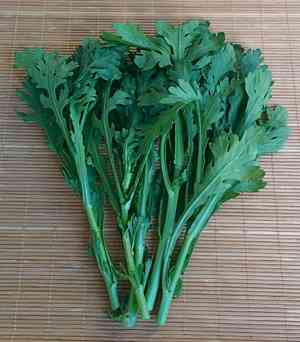
1
Crown daisy flourishes with nutrient application during its spring and summer growth phases.
2
Using natural soil amendments enhances the earth's health over time, providing sustained advantages for Crown daisy.
3
Fertilizers containing balanced proportions of nitrogen, phosphorus, and potassium (e.g., 10-10-10) are ideally suited for Crown daisy.
Deciphering the Nutritional Requirements of Crown daisy
Crucial Nutrients for Crown daisy
To ensure flourishing development and prolific blooms, Crown daisy needs a balanced provision of vital nutrients. The main elements include Nitrogen (N), which fosters lush, green foliage; Phosphorus (P), critical for root formation and blossom production; and Potassium (K), which aids in overall plant vitality and disease resistance. Trace minerals such as magnesium, calcium, and iron also play key roles in the plant's growth. A complete nutrient supply guarantees your Crown daisy maintains its health and vigor throughout the growing period.
Indicators of Nutrient Scarcity
Identifying the signs of nutrient deficiency can prevent your Crown daisy from experiencing stunted development or poor flowering. Typical symptoms include yellowing leaves, which may signal a lack of nitrogen, or purplish or overly dark foliage, an indication of phosphorus shortage. Similarly, insufficient potassium can lead to browning and curling leaf edges. Monitoring these clues allows you to promptly adjust your fertilization approach, keeping your plant thriving.
Selecting the Appropriate Fertilizer for Crown daisy
Fertilizer Varieties Suitable for Crown daisy
Choosing the correct fertilizer is crucial for nourishing your Crown daisy. Both granular and liquid formulations can be effective. Granular fertilizers release nutrients gradually, offering a consistent supply, while liquid fertilizers provide an immediate nutrient boost. Opt for balanced fertilizers with an equal N-P-K ratio, such as 10-10-10, to address all key aspects of plant development. Additionally, slow-release fertilizers are excellent for delivering sustained nourishment over several weeks.
Organic Versus Synthetic Fertilizers
Organic fertilizers, including compost, manure, and bone meal, deliver a slow and steady nutrient release and enhance soil structure. They encourage beneficial soil microorganisms that contribute to long-term soil health. Conversely, synthetic fertilizers offer precise nutrient ratios and rapid outcomes, but they do not improve soil texture. For optimal results, utilize a combination: organic materials to enhance soil and slow-release synthetic fertilizers for an immediate nutritional boost.
Optimal Practices for Fertilizing Crown daisy
When to Fertilize Crown daisy
Timing is paramount when applying fertilizer to your Crown daisy. The best seasons are spring and summer when the plant is actively growing. Begin fertilizing in early spring to stimulate growth after the dormant winter period. Continue every 4-6 weeks through summer to sustain continuous growth and blooming. Avoid fertilizing in fall and winter, as the plant's growth diminishes, and nutrients won't be efficiently absorbed.
Correct Fertilizer Application Methods
Proper fertilizer application is essential to prevent nutrient waste and plant harm. For granular fertilizers, evenly scatter the granules around the plant's base, taking care not to let them directly touch the stems. Water thoroughly after application to help dissolve and distribute the nutrients. For liquid fertilizers, adhere to the manufacturer's instructions for appropriate dilution, then apply directly to the soil around the plant base. Avoid frequent, shallow feedings; instead, opt for deeper, less frequent fertilization to promote robust root development.
Common Errors to Avoid When Fertilizing Crown daisy
Risks of Excessive Fertilization
One of the most frequent mistakes is over-fertilization, which can cause 'fertilizer burn,' leading to root damage and discolored foliage. Surplus nutrients may also impede the plant's ability to absorb water and other vital elements from the soil. Always adhere to the recommended dosage on the fertilizer's label. Remember, more is not necessarily better; balanced and precise feedings ensure the finest outcomes.
Neglecting Soil pH and Composition
Soil pH and texture significantly affect nutrient availability. Crown daisy thrives in slightly acidic to neutral soil (pH 6.0-7.0). Regularly test your soil's pH and amend it if needed using lime to increase pH or sulfur to decrease it. Ignoring the soil's texture—whether it's too sandy, clayey, or compacted—can impede root growth and nutrient uptake. Incorporating organic matter like compost can improve drainage and aeration, creating an ideal environment for your Crown daisy.



