How to Prune Crown daisy?
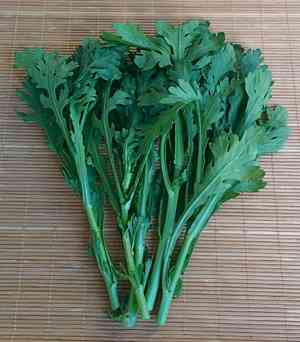
Distinguished by its vibrant yellow blossoms, crown daisy serves as a favored decorative and culinary herb. Trimming entails excising deceased or excessively long stalks to foster a more compact development. The optimal period for pruning spans from early spring through late autumn, coinciding with its vigorous growth cycle. Consistent cutting averts elongated stems and prompts fresh leaves, improving both visual appeal and crop output. It is crucial to employ sanitized, keen implements to prevent the spread of pathogens.
What Are the Benefits of Pruning Crown Daisy?
What Are the Benefits of Pruning Crown Daisy?
Trimming crown daisy promotes robust development by directing energy to fewer yet stronger stems and blossoms. It helps maintain its form, ensuring the plant stays compact and full, enhancing its decorative appeal.
What Is the Best Time for Pruning Crown Daisy?
What Is the Best Time for Pruning Crown Daisy?
Early spring is optimal for trimming crown daisy as plants emerge from dormancy, allowing for the removal of any winter cold damage before new growth starts. This encourages healthy development and shapes the plant for the upcoming growing season. Late autumn is also suitable after crown daisy has finished its flowering cycle, minimizing disease and pest risk when the plant is not actively growing. This prepares crown daisy for winter dormancy and ensures vigorous regrowth the following spring. Pruning during these periods aligns with crown daisy's growth cycle, maintaining its health and vitality, and ensuring flowering or fruiting is not negatively impacted.
What Tools Do I Need to Prune Crown Daisy?
Hand Pruners
Perfect for making precise cuts on individual stems of crown daisy, ensuring clean removal without harming the plant's structure.
Pruning Shears
Ideal for shaping and maintaining the overall form of crown daisy, enabling gardeners to efficiently trim foliage and encourage new growth.
Gardening Scissors
Useful for deadheading spent flowers of crown daisy to promote continuous blooming throughout the growing season.
Garden Snips
Suitable for thinning stems and tidying up small, delicate areas of crown daisy, offering greater control for detailed pruning tasks.
How to Prune Crown Daisy
Step1: Tool Sanitization
Disinfect your pruning tools before beginning to prevent disease spread. Use a solution of 1 part bleach to 9 parts water to clean your shears or scissors.
Step2: Dead Flower Identification
Locate the dead flowers on crown daisy. Look for blooms that have lost their vibrant color or have started to wilt and dry.
Step3: Deadhead Flowers
Using your sanitized pruning shears, cut the dead flowers off crown daisy just above the first set of healthy leaves below the spent blooms. This will encourage new blossoms to form.
Step4: Yellow Leaf Detection
Inspect crown daisy for yellow leaves, which indicate aging or potential disease or stress. Prompt removal supports healthy growth.
Step5: Yellow Leaf Removal
Carefully snip off the yellow leaves at their base where they meet the stem or at the start of healthy tissue. Do not pull leaves off as this can cause unnecessary damage to crown daisy.
Step6: Withered Stem Identification
Find withered stems on crown daisy, which may appear shriveled and brown. These are typically unproductive and can harbor pests or diseases.
Step7: Prune Withered Stems
Trim the withered stems at their base, close to the ground or main branch, using sharp, clean pruning shears for a clean cut. This will help direct crown daisy's energy to healthier parts of the plant.
Step8: Debris Clearance
After pruning, remove the cuttings from the base of crown daisy to prevent potential pests or disease and to keep the growing area neat.
Step9: Post-Pruning Watering
Water crown daisy at the base to reduce stress and avoid wetting the foliage, as damp leaves can attract disease. Watering after pruning can help crown daisy recover more quickly.
Step10: Post-Pruning Monitoring
Observe crown daisy closely over the next few days to ensure it is responding well to the pruning and not showing signs of stress. Adjust care as needed.
Post-Pruning Care for Crown Daisy
Post-Pruning Care for Crown Daisy
Immediately after trimming crown daisy, ensure it is adequately watered to alleviate stress. Adjust environmental conditions to provide bright, indirect light and maintain moderate humidity. Keep temperatures between 60-75°F. Following pruning, apply a balanced fertilizer to aid recovery. Regularly inspect pruning sites for signs of infection or distress. If any abnormalities are detected, treat promptly with appropriate fungicide or pest management practices.
Common Pruning Mistakes with Crown Daisy
Over-pruning: Stress and Reduced Bloom Vigor
Excessive pruning, which can stress crown daisy and lead to diminished vigor and fewer blooms.
Damaging Plants with Dull, Dirty Tools
Utilizing dull or unclean pruning tools that can harm crown daisy's stems and introduce diseases to the plant.
Pruning Without Understanding Growth Pattern
Trimming indiscriminately without comprehending crown daisy's growth pattern, potentially removing new buds and shoots that would have produced flowers.
Neglecting Dead Foliage, Inhibiting Growth
Failing to remove dead or diseased foliage, which can hinder crown daisy's growth and lead to further plant health issues.
Incorrect Pruning Near Main Stem or Buds
Pruning too close to the main stem or flower buds, potentially causing injury to the plant or loss of prospective blooms.
Common Pruning Tips for Crown Daisy
Sterilize Tools to Prevent Disease Spread
Sanitize pruning tools before and after use to prevent the spread of disease to crown daisy.
Shape and Thin for Better Air and Light
Trim crown daisy to maintain its shape and encourage bushier growth by selectively thinning out crowded areas; this improves air circulation and light penetration.
Deadhead Flowers to Boost Continuing Blooms
Remove spent flower heads of crown daisy to promote continuous flowering and prevent the plant from expending energy on seed production.
Stimulate Growth by Cutting Woody Stems
Cut back old and woody stems to a set of healthy leaves to stimulate new growth and revitalize crown daisy.
Prune Diseased Parts for Plant Health
Identify and prune away any diseased or damaged parts of crown daisy as soon as they appear to maintain plant health and aesthetics.
Use Sharp Shears for Quick Healing Cuts
Use sharp, clean pruning shears to make precise cuts that crown daisy can heal from quickly, reducing stress on the plant.
Moderate Pruning to Manage Plant Size
Ensure to prune in moderation, removing only what is necessary to shape and manage the plant’s size without overdoing it.



