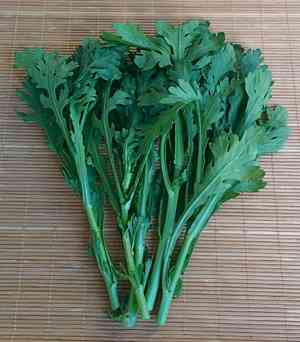
Crown daisy (Glebionis coronaria)
Also known as: Edible chrysanthemum, Japanese-green, Large leaf tong ho
Japanese knotweed (Fallopia japonica) is regarded as invasive in various states across the US. Despite this, it is utilized in Japan to create a fragrant pickle called kikumi.
In This Article
Attributes of Crown daisy
Lifespan
Annual, Biennial
Plant Type
Herb
Plant Height
80 cm to 1 m
Spread
25 cm to 30 cm
Leaf Color
Green
Flower Size
2 cm to 6 cm
Flower Color
Yellow White
Images of Crown daisy
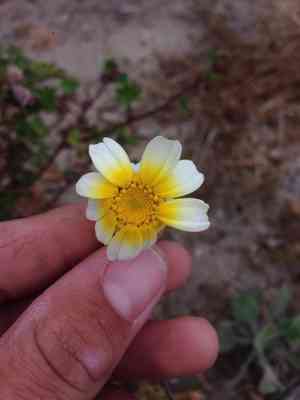
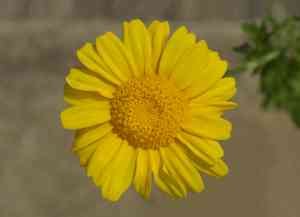
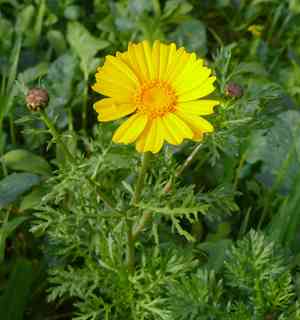
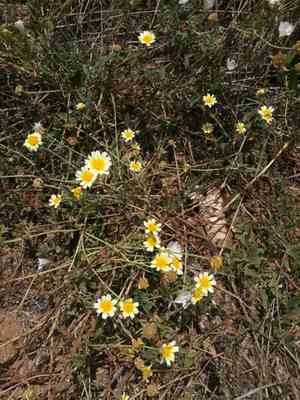
Quickly Identify Crown daisy
1
This plant is identifiable by its bright yellow or white daisy-like flowers with lobed, aromatic leaves. The leaves are often deeply cut into lobes, giving them a feather-like appearance.
Scientific Classification of Crown daisy
Phylum
Vascular plants
Class
Dicotyledons
Order
Asters bellflowers fanflowers and allies
Family
Daisy
Genus
Glebionis
Species
Crown daisy
Planting and Growing of Crown daisy
Care Difficulty
Easy
Watering Schedule
Every 4 days
Sunlight Requirements
Full sun
Sunshine Duration
4-6 hours
Ideal Temperature
60-77℉
Soil Type
Potting Mix, Peat Mix
Soil pH
6.5-7.5
Fertilizer Type
Balanced
Pruning Season
Spring, Summer
Pruning Area
Branches, Leaves
Pruning Frequency
2 times a year
Repotting Season
Spring
Pot Type
Plastic, Ceramic
 How to Water Crown daisy?
For Glebionis coronaria, the watering should be deep enough to reach its root system, ensuring the soil is moist but not soggy. Gradually pour around 500 ml of water around the base of the plant, taking care not to pour too quickly as this can lead to water runoff and inadequate soaking.
More About Watering Techniques→
What are the symptoms of an underwatered Crown daisy?
›
What should I do if my Crown daisy is not getting enough water?
›
What are the symptoms of an overwatered Crown daisy?
›
How to save an overwatered Crown daisy?
›
 What Are the Sunlight Requirements for Crown daisy?
Glebionis coronaria thrives in full sun to partial sun settings. Ideal light ensures robust foliage, vibrant flower production, and a healthier plant overall, contributing to its longevity.
More About Sunlight Requirements Techniques→
Optimal Sunlight for Glebionis coronaria
›
Solution to Achieve Ideal Sunlight
›
Benefits of Receiving Ideal Sunlight
›
 What Is the Ideal Temperature Range for Crown daisy?
The ideal temperature range for cultivating Glebionis coronaria is between 60°F and 77°F. Within this range, the plant shows the best growth and vigor. Consistent temperatures in this range ensure robust flowering and healthy foliage, leading to an optimal display of blooms.
 What Soil is Best for Crown daisy?
Glebionis coronaria thrives in well-drained soil conditions, which help prevent root rot and provide sufficient aeration to the roots. Ensuring good drainage improves plant health and promotes vibrant blooms. This plant benefits from a nutrient-rich substrate, which supplies essential minerals for optimal growth. Using compost or organic matter can elevate soil fertility and enhance the plant's vigor. Though requiring well-drained conditions, Glebionis coronaria also favors a soil that can retain enough moisture without becoming waterlogged. Achieving this balance is crucial for maintaining the plant's lush foliage.
More About Soil→
 How to Fertilize Crown daisy?
Glebionis coronaria, also known as garland chrysanthemum, thrives with a balanced fertilizer regimen. For liquid fertilizer, mix a 10-10-10 NPK fertilizer at a rate of 1 tablespoon per gallon of water, applying it to the soil evenly around the base of the plant. In the case of slow-release pellets, apply approximately 0.5 pounds per 100 square feet to ensure an even distribution of nutrients that can sustain healthy growth throughout the growing season.
More About Fertilizing Techniques→
 How to Prune Crown daisy?
Before starting, observe the plant to identify dead or damaged growth. This inspection helps to determine which stems or branches need to be cut back. When making cuts, angle your shears at about 45 degrees. This helps water run off the cut, reducing the chance of rot and ensuring quicker healing. Trim back any parts of the plant that appear overgrown or are growing out of the plant's desired shape. Regular shaping encourages fuller and more vigorous growth.
More About Pruning Techniques→
 How to Propagate Crown daisy plant?
1
Begin by filling a seed tray with a mixture of potting soil and compost. Scatter the seeds evenly across the surface and lightly cover them with a thin layer of soil.
2
Select a healthy stem from the parent plant, approximately 10-15 cm in length. Cut just above a leaf node and strip the leaves from the lower half of the cutting.
3
Dig up the mature plant and carefully divide the root ball into smaller sections. Each new section should have a good number of roots and at least one healthy shoot.
 How to Repot Crown daisy plant?
1
Look for signals like roots emerging from drainage holes or stunted growth in Glebionis coronaria. These signs indicate that it's time to repot, providing more space and fresh nutrients to accommodate its healthy development.
2
Select a pot only slightly larger than the current one. The pot should have adequate drainage holes to prevent water clogging. Choosing the right pot ensures the roots have space to grow and also helps in preventing root rot, keeping your plant thriving.
3
A well-draining, loamy soil mix is best. This type of soil ensures proper aeration and drainage while maintaining adequate moisture levels. It prevents soggy roots and encourages robust growth, allowing Glebionis coronaria to spread its roots comfortably.



