Optimal Soil for Growing Rainbow hedgehog cactus: What You Need to Know
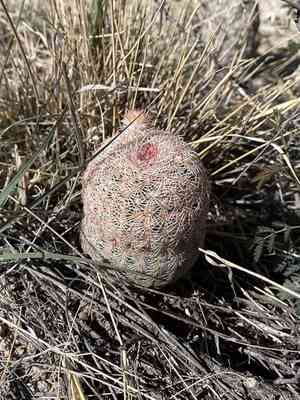
1
The Rainbow hedgehog cactus thrives in soil that is mildly acidic to neutral, with a pH range of 6 to 7.5.
2
Incorporating perlite or coarse sand greatly enhances the soil's ability to drain for the Rainbow hedgehog cactus.
3
Decomposed organic materials, like leaf litter, can be introduced to enrich nutrient levels without harming the soil's composition.
Optimal Substrate Composition for Rainbow Hedgehog Cactus
Key Soil Constituents
For a thriving Rainbow hedgehog cactus, prioritize a substrate blend of organic and inorganic elements. Essential components include a base of cactus potting mix, supplemented with coarse grit or perlite. Cactus potting mix offers a balanced medium with necessary nutrients, while coarse grit and perlite enhance air circulation and water flow. Avoid direct garden soil, as it tends to hold moisture, potentially causing root decay.
Significance of Well-Draining Substrate
Well-draining substrate is crucial for the Rainbow hedgehog cactus to prevent water pooling around its roots. This species is highly vulnerable to root rot if kept in damp soil for extended periods. Incorporating materials like pumice, gravel, and perlite ensures excess water drains rapidly. Regular drainage checks, especially post-watering, can help avert waterlogged conditions.
Nutrient Requirements
While the Rainbow hedgehog cactus doesn't demand highly nutrient-rich soil, a consistent supply of vital nutrients supports its development. The cactus benefits from a substrate blend containing a small amount of organic matter, such as compost or well-decomposed leaf litter. These materials provide natural nutrients without overwhelming the plant. Avoid excessive fertilization; a balanced cactus fertilizer applied sparingly during the active growth phase (spring to early summer) is adequate.
Crafting the Perfect Substrate Blend for Rainbow Hedgehog Cactus
Step-by-Step Substrate Blending Procedure
Formulating the ideal substrate mix for your Rainbow hedgehog cactus is straightforward. Begin by gathering your ingredients: cactus potting mix, coarse grit, and perlite. Use a large container to combine them thoroughly. Start with two parts cactus potting mix, then add one part coarse grit and one part perlite. Blend these components uniformly to ensure a consistent texture throughout.
Recommended Component Proportions
The suggested ratios for preparing an optimal substrate blend for Rainbow hedgehog cactus are as follows:Cactus potting mix: 2 unitsCoarse grit: 1 unitPerlite: 1 unit These proportions achieve a balance between nutrient availability and drainage capacity, creating an ideal environment for the cactus's root system.
Necessary Tools and Supplies
To prepare the substrate blend, you will need basic tools and materials:Cactus potting mixCoarse gritPerliteLarge mixing vessel or bucketGarden trowel or spade for blendingA method for measuring quantities (e.g., a scoop or measuring cup) Having all materials and tools ready allows for efficient preparation of an optimal substrate blend for your Rainbow hedgehog cactus.
Common Substrate Issues and Solutions for Rainbow Hedgehog Cactus
Detecting Inadequate Drainage Problems
Poor drainage is a frequent issue that can severely impact your Rainbow hedgehog cactus's health. Signs of inadequate drainage include persistently moist substrate, yellowing of the cactus, and root discoloration. To assess drainage, water the substrate and observe how quickly it drains. If water remains on the surface for more than a few minutes, you likely have a drainage problem. Amending the substrate with additional perlite or coarse grit can help resolve this issue.
Improving Dense or Clayey Substrates
If your substrate is primarily clay or feels heavy and compacted, amending it is crucial for the Rainbow hedgehog cactus. Clay substrates retain too much water and lack the aeration the cactus requires. To improve dense substrate, incorporate generous amounts of coarse grit, perlite, and organic material like finely ground bark or compost. This enhances texture and drainage, ensuring a healthier root environment for your cactus.
Adjusting pH Levels
The optimal substrate pH for Rainbow hedgehog cactus ranges from 6 to 7.5, which is slightly acidic to neutral. Substrate pH influences nutrient availability to the plant. You can test your substrate pH using a home testing kit. If your substrate is too acidic (below pH 6), add lime to increase the pH. If it is too alkaline (above pH 7.5), sulfur or sphagnum peat can help decrease the pH. Regular monitoring and adjustments will keep your cactus thriving in suitable conditions.



