How to Propagate Rainbow hedgehog cactus?
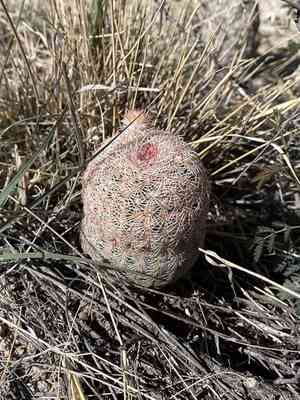
Perfect for those who appreciate cacti, the rainbow hedgehog cactus is primarily multiplied by planting seeds. For optimal results, utilize a porous cactus substrate and position the seeds just below the top layer. Keep the soil consistently damp but avoid saturation. Moderate warmth and indirect illumination facilitate sprouting; perseverance is crucial since the rainbow hedgehog cactus may take time to germinate. After the young plants appear, slowly acclimate them to the dry environment they prefer. With diligent attention, cultivators will observe the remarkable transformation from minuscule seeds into vivid, prickly plants.
Optimal Period for Rainbow Hedgehog Cactus Propagation
Propagation Method
Seeding
Propagation Season
Spring
Equipment for Rainbow Hedgehog Cactus Propagation
Fine-tipped tweezers
These are vital for handling the tiny rainbow hedgehog cactus seeds without causing harm. Their fine points allow for precise placement of seeds in the growing medium, minimizing loss and ensuring proper spacing.
Sterilized seed trays with drainage holes
Such trays help maintain proper moisture and airflow, essential for rainbow hedgehog cactus seed germination. Drainage holes prevent waterlogging, which can cause seed rot, especially detrimental to cactus seeds needing a dry, aerated environment.
Sphagnum moss or a suitable cactus seed starting mix
This medium offers the light, aerated, and slightly acidic conditions perfect for rainbow hedgehog cactus seed germination. It retains adequate moisture without becoming waterlogged, supporting the initial growth phase of rainbow hedgehog cactus.
Misting bottle
A misting bottle is used to gently moisten the seeds, ensuring sufficient hydration for germination without disturbing their position in the soil. The fine mist prevents small rainbow hedgehog cactus seeds from being dislodged, a common issue with heavier watering methods.
Grow lights or fluorescent lamps
Sufficient light is critical for the healthy development of rainbow hedgehog cactus. Grow lights or fluorescent lamps mimic the natural light conditions required by rainbow hedgehog cactus, promoting robust growth and preventing etiolation in early stages.
How to Propagate Rainbow Hedgehog Cactus?
Propagation Type
Simple
Caring for Your Newly Propagated Rainbow Hedgehog Cactus
Caring for Your Newly Propagated Rainbow Hedgehog Cactus?
Once rainbow hedgehog cactus seedlings are established, gradually introduce them to adult rainbow hedgehog cactus conditions: bright light, low moisture, and high temperatures. Transplant into individual pots when large enough. Water only when the top inch of soil is dry, and use diluted cactus fertilizer during active growth for best results.
Common Errors to Avoid When Propagating Rainbow Hedgehog Cactus
Overwatering
Watering rainbow hedgehog cactus too often can lead to root rot, as its roots are adapted to dry conditions. Excessive moisture promotes fungal growth and decay, harming the plant's health and reducing propagation success.
Using Poor Draining Soil
Selecting a soil mix that doesn't drain well creates a damp environment, which is harmful to rainbow hedgehog cactus's roots. Its natural habitat is arid, so waterlogged soil can cause root rot and impede propagation efforts.
Incorrect Cutting Technique
When taking cuttings for propagation, improper technique, such as using a dull blade or making too short a cut, can damage rainbow hedgehog cactus and decrease the likelihood of rooting and growth.
Propagation in Low Light
Attempting to propagate rainbow hedgehog cactus in insufficient light can result in etiolated growth, where the plant stretches weakly for light. This can lead to a less vigorous plant that may not survive transplantation.
Ignoring Sanitation
Failing to use sterilized tools or containers can introduce pathogens that harm rainbow hedgehog cactus cuttings. Proper sanitation helps prevent disease and increases the chances of successful propagation.
Tips For Propagating Rainbow Hedgehog Cactus
Proper Watering Schedule
Maintaining a careful watering balance is essential. Allow the soil to completely dry between waterings to replicate rainbow hedgehog cactus's natural arid environment.
Well-Draining Soil
Utilize a cactus-specific or sandy soil mix that ensures excellent drainage to mimic rainbow hedgehog cactus's natural habitat and support healthy root development during propagation.
Sharp Tools for Cuttings
Employ sharp, sterilized cutting tools to ensure clean cuts that heal quickly, reducing disease risk and encouraging successful rooting for rainbow hedgehog cactus.
Adequate Light Conditions
Provide rainbow hedgehog cactus with bright light during propagation to ensure healthy growth. Strong light supports the development of a robust root system in new cuttings.
Clean Propagation Environment
Always sterilize pots and tools before use. Hygienic conditions reduce the risk of infection and improve the overall success rate of propagating rainbow hedgehog cactus.



