Boost Growth: How and When to Repot Your Rainbow hedgehog cactus Plant
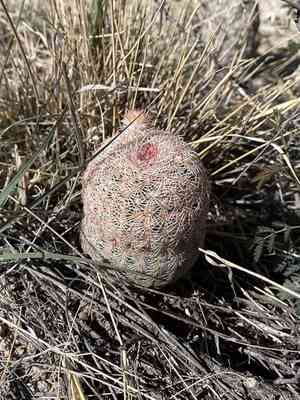
1
The Rainbow hedgehog cactus flourishes optimally when transplanted in spring or fall.
2
Indicators that your cactus requires repotting are roots emerging from the drainage openings and diminished growth rate.
3
Consistently employ a soil mix that drains effectively and a container featuring drainage apertures to avert root decay.
When to Replant a Rainbow Hedgehog Cactus?
Recognizing Indicators of Outgrowing Its Current Container
Replanting your Rainbow hedgehog cactus is crucial for its well-being and vigor. A clear indicator it needs a new container is when roots emerge from the drainage holes, showing the root system has expanded beyond its present confines. Also, if growth slows despite optimal care, it might lack space for root development.
Understanding Its Growth Cycle and Optimal Season
The best times to replant your Rainbow hedgehog cactus are spring and autumn. During these periods, the cactus is actively growing, making it an ideal time to move it to a new pot without causing undue stress. Spring and autumn offer moderate temperatures, which aid root establishment and overall plant health.
Choosing the Right Container and Substrate for Rainbow Hedgehog Cactus
Selecting the Perfect Pot Size and Material
When choosing a container for your Rainbow hedgehog cactus, opt for one slightly larger than its current pot, allowing ample room for growth. Materials like terracotta or ceramic are excellent choices due to their good breathability. Ensure the pot has drainage holes to prevent water accumulation, which can lead to root rot.
Optimal Soil Blends for Drainage and Nutritional Support
A well-draining soil mix is vital for your cactus's health. A recommended blend includes one part cactus potting soil, one part coarse sand, and one part perlite or pumice. This combination ensures sufficient air circulation for roots and effective water drainage, reducing the risk of root diseases.
Step-by-Step Guide to Replanting a Rainbow Hedgehog Cactus
Preparing Your Work Area and Tools
Begin by gathering all necessary items, such as gloves, a new pot, potting soil mix, a small shovel, and protective padding. A well-lit, clean workspace will ensure a smooth replanting process.
Gently Removing the Cactus from Its Original Pot
Carefully take your cactus from its current pot by tilting it and gently tapping to loosen the root ball. You might need a small shovel to help ease the cactus out, handling it with care to avoid damaging its spines and roots.
Inspecting and Trimming the Root System if Required
Once the cactus is out, examine its root system. Trim any dead or decaying roots with sterilized scissors. This promotes healthy growth and prevents disease spread in the new container.
Positioning and Stabilizing the Cactus in the New Pot
Fill the new pot with a base layer of the mixed soil, then center your cactus. Add more soil around the roots, gently pressing down to secure the plant. Ensure the cactus is upright and stable.
Final Steps: Watering and Post-Replanting Care
After replanting, water the cactus lightly to help settle the soil. Place it in a bright, indirect sunlight location and avoid overwatering in the initial weeks. Monitor the plant for signs of stress and adjust care as needed.
Addressing Common Issues After Replanting
Managing Plant Stress and Shock
After replanting, your Rainbow hedgehog cactus might show signs of shock, such as slight wilting or discoloration. Minimize stress by ensuring adequate, but not excessive, moisture and a stable environment. With proper care, the plant should recover within a few weeks.
How to Detect and Treat Root Rot Early
Root rot is a frequent problem caused by poor drainage or overwatering. Early signs include yellowing and soft roots. If you suspect root rot, remove the cactus, trim affected roots, and replant in fresh, well-draining soil. Reduce watering frequency to prevent recurrence.



