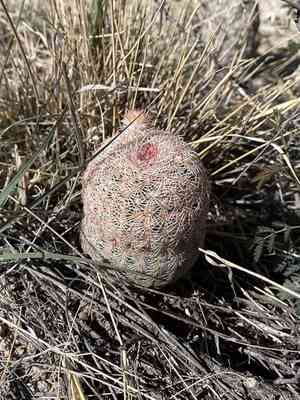
Rainbow hedgehog cactus (Echinocereus rigidissimus)
Also known as: Rainbow Cactus, Arizona Rainbow
The Echinocereus rigidissimus, often referred to as the rainbow hedgehog cactus, is found in parts of the United States and Mexico. This cactus occasionally blooms in the summer. Its population is declining due to the impacts of cattle grazing and vehicle traffic in its natural habitat.
In This Article
Attributes of Rainbow hedgehog cactus
Lifespan
Perennial
Plant Type
Succulent
Plant Height
30 cm to 45 cm
Spread
11 cm
Leaf Color
N/A (Cacti generally do not have typical leaves)
Flower Size
6 cm to 9 cm
Flower Color
White Purple Red
Images of Rainbow hedgehog cactus
Quickly Identify Rainbow hedgehog cactus
1
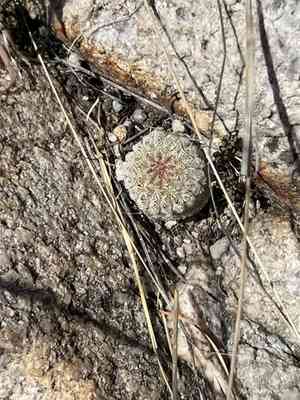
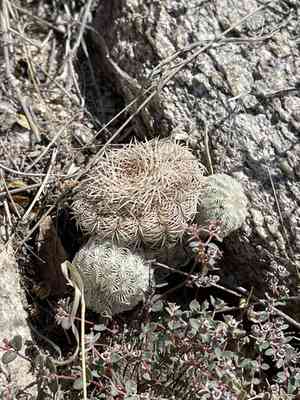
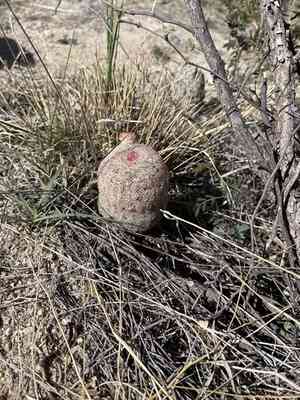
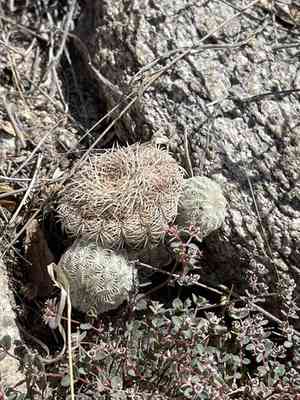
To identify Echinocereus rigidissimus, look for a cylindrical cactus with dense, colorful spines that range from pink to red to white. The spines form a geometric pattern around the cactus. During blooming season, it will produce large, funnel-shaped flowers that are usually pink or magenta.
Scientific Classification of Rainbow hedgehog cactus
Phylum
Vascular plants
Class
Dicotyledons
Order
Caryophyllales
Family
Cactuses
Genus
Hedgehog cactus
Species
Rainbow hedgehog cactus
Planting and Growing of Rainbow hedgehog cactus
Care Difficulty
Easy
Watering Schedule
Every day
Sunlight Requirements
Full sun
Sunshine Duration
4-6 hours
Ideal Temperature
66-77℉
Soil Type
Potting Mix, Peat Mix
Soil pH
6.5-7.5
Fertilizer Type
Balanced
Pruning Season
Spring, Summer
Pruning Area
Branches, Leaves
Pruning Frequency
2 times a year
Repotting Season
Spring
Pot Type
Plastic, Ceramic
 How to Water Rainbow hedgehog cactus?
When watering Echinocereus rigidissimus, it's important to soak the soil thoroughly but allow it to dry completely between waterings. This cactus prefers a 'drench and dry' method; water until moisture drips from drainage holes and let the excess escape.
More About Watering Techniques→
What are the symptoms of an underwatered Rainbow hedgehog cactus?
›
What should I do if my Rainbow hedgehog cactus is not getting enough water?
›
What are the symptoms of an overwatered Rainbow hedgehog cactus?
›
How to save an overwatered Rainbow hedgehog cactus?
›
 What Are the Sunlight Requirements for Rainbow hedgehog cactus?
Echinocereus rigidissimus thrives in areas with full sun exposure, ideally receiving 8 to 10 hours of direct sunlight daily. Proper light ensures vigorous growth, enhances blooming, and maintains the plant's vibrant color and compact shape.
More About Sunlight Requirements Techniques→
Question 1
›
Question 2
›
Question 3
›
 What Is the Ideal Temperature Range for Rainbow hedgehog cactus?
Echinocereus rigidissimus thrives best in temperatures ranging from 66 to 77°F. This range provides warmth that simulates the plant's native desert environment, promoting optimal growth and blooming. Maintaining temperatures within this range helps avoid stress-induced problems and supports healthy development.
 What Soil is Best for Rainbow hedgehog cactus?
Echinocereus rigidissimus thrives in soil that offers excellent drainage. Sandy soil or loam mixtures with ample grit ensure water doesn't pool, preventing root rot. This feature is crucial for maintaining the health of your cactus, mimicking its natural desert habitat. This cactus is adapted to survive in nutrient-poor environments. Excess nutrients can harm its growth, so minimal fertilization or lean, rocky soil is ideal. This adaptation helps prevent overgrowth and maintains the plant's hardy nature. The soil must be well-aerated to allow the cactus's roots to breathe. This mimics its native arid conditions, supporting healthy root development and reducing the risk of fungal infections, ultimately promoting robust growth.
More About Soil→
 How to Fertilize Rainbow hedgehog cactus?
For Echinocereus rigidissimus, apply a diluted liquid fertilizer at one-half the recommended strength. It is essential to avoid excessive amounts, as this cactus is sensitive to nutrient overload. When using a slow-release formulation, employ only half the usual application rate per container to prevent over-fertilization.
 How to Prune Rainbow hedgehog cactus?
To prune Echinocereus rigidissimus, wait for dry weather to prevent disease. Use sharp, sterilized tools to make clean cuts. Trim off any dead or damaged parts and lightly shape the plant for better light exposure. Avoid removing healthy green segments to maintain the cactus's vigor.
 How to Propagate Rainbow hedgehog cactus plant?
1
Start by collecting seeds from a mature Echinocereus rigidissimus plant. Clean the seeds to remove any pulp and allow them to dry for a few days to prevent mold growth.
2
Choose a healthy segment of the cactus to take a cutting. Use a sterile knife to make a diagonal cut to maximize the surface area for rooting.
3
For seeds, plant them on the surface of a well-draining cactus soil mix. For cuttings, allow the cut end to callous over before planting in slightly moistened soil.
 How to Repot Rainbow hedgehog cactus plant?
1
Look for signs such as the roots growing through the drainage holes, the plant being significantly top-heavy, or the soil drying out very quickly between waterings. These indicators suggest it's time to repot your Echinocereus rigidissimus.
2
Opt for a pot that is just slightly larger than the current one, ideally half an inch to an inch wider in diameter. A pot with larger drainage holes is essential to prevent water accumulation and root rot.
3
Use a well-draining cactus mix that contains components like sand, pumice, or perlite. Good drainage prevents waterlogging, which can lead to root rot, thereby ensuring the plant's longevity.



