Optimal Soil for Growing Strawberry tree: What You Need to Know
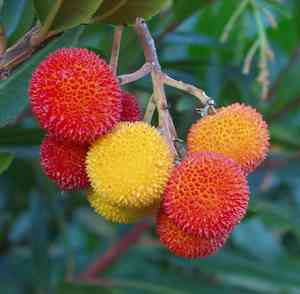
1
Strawberry trees flourish in soil that is mildly acidic to neutral, ideally with a pH between 6.5 and 7.5.
2
Applying organic material as a top layer can assist in preserving steady soil hydration and enhancing its long-term vitality.
3
Adequate drainage is vital for the Strawberry tree to avert root decay and other issues caused by excessive moisture.
Ideal Soil for Strawberry Trees
Soil Composition
The Strawberry tree, valued for its beauty and fruit, thrives in well-draining soil featuring a blend of loamy and sandy textures. This mix ensures water passes through without accumulating around roots, which can lead to rot. Adding organic materials such as compost or aged manure improves soil structure, aids drainage, and supplies essential nutrients. Remember, achieving proper soil balance means it's loose enough for root development yet retains sufficient moisture for sustenance.
Recommended pH Levels
For prime growth, Strawberry trees prefer slightly acidic to neutral soil, with a pH ranging from 6.5 to 7.5. This pH range optimizes nutrient uptake, allowing the tree to efficiently absorb vital elements from the soil. Regular soil pH testing helps maintain this desired range, and amendments like sulfur or lime can adjust pH as needed. For instance, if your soil is too alkaline (above 7.5), incorporating organic matter or sulfur can lower the pH to a more suitable level.
Nutrient Requirements
Nutrient-rich soil is crucial for a Strawberry tree's health and fruitfulness. Key nutrients include nitrogen for leaf development, phosphorus for root growth, and potassium for overall plant vigor. Trace elements like iron, manganese, and zinc are also important, though in smaller quantities. Applying a balanced fertilizer during the growing period provides necessary nutrients. Additionally, using organic compost naturally replenishes essential nutrients, maintaining long-term soil fertility.
How to Prepare Soil for Planting a Strawberry Tree
Soil Testing Methods
Before planting your Strawberry tree, it's vital to test the soil to determine its makeup and nutrient levels. Simple home soil test kits are available to measure pH and nutrient content. For a more thorough assessment, sending a soil sample to a professional lab provides a detailed report on soil health, including recommendations for amendments. Consistent testing, ideally before each growing season, ensures optimal soil conditions for your Strawberry tree.
Amending the Soil
Enhancing soil health for Strawberry tree planting involves adding amendments that improve structure, composition, and nutrition. Begin by incorporating organic matter like compost or well-rotted manure, which refines soil texture and delivers vital nutrients. If your soil is overly sandy, mixing in peat moss can aid moisture retention. Conversely, for heavy clay soil, adding sand or perlite can significantly boost drainage. Adjusting soil pH is also crucial, achieved by adding lime to increase pH or sulfur to decrease it.
Choosing the Right Location
The success of your Strawberry tree also depends on selecting an appropriate planting site. Look for a location with full sun to partial shade and well-drained soil. Avoid low-lying areas where water tends to collect, as this can lead to root rot. Ensure the chosen spot offers ample space for the tree to grow to its mature size. Proper spacing promotes good air circulation, reducing the risk of fungal diseases and ensuring your tree receives adequate sunlight.
Drainage and Water Retention
Ensuring Proper Drainage
Optimal drainage is vital for a Strawberry tree's well-being. Poorly draining soil can cause root rot, a common issue in overwatered conditions. To improve drainage, consider using raised beds or mounding the soil where the tree is planted. Integrating materials such as sand, perlite, or small gravel into the soil can also enhance drainage. Regularly check soil moisture; it should be damp but not saturated. If water pools around the tree's base, adjusting the planting site or improving soil composition may be necessary.
Balancing Water Retention
While drainage is crucial, it's equally important that the soil retains enough moisture for the Strawberry tree. Organic matter, such as compost and peat moss, excels at balancing water retention and drainage. Mulching around the tree's base helps maintain consistent soil moisture by reducing evaporation and moderating soil temperatures. Watering practices also play a role; deep, infrequent irrigation encourages roots to grow deeper, making them more resilient to dry spells.
Common Soil Issues and Solutions
Soil Compaction
Soil compaction can impede root growth and water penetration, negatively affecting the Strawberry tree. To relieve compacted soil, aerate the area around your tree using a garden fork or an aerator tool to create small holes. Adding organic matter can also enhance soil structure, making it looser and more favorable for root expansion. Avoid walking or placing heavy objects near the tree's base to prevent further compaction.
Nutrient Deficiencies
Identifying and addressing nutrient deficiencies is critical for your Strawberry tree's health. Yellowing leaves might signal an iron deficiency, while poor fruiting could suggest insufficient phosphorus. Conduct regular soil tests and apply the necessary fertilizers to replenish missing nutrients. Using slow-release fertilizers or organic compost can provide a steady supply of essential nutrients, ensuring the tree receives a balanced diet throughout the growing season.
pH Imbalance
An imbalance in soil pH can hinder nutrient availability and stunt the Strawberry tree's growth. If the soil is too acidic (below pH 6.5), adding lime can increase the pH. Conversely, if the soil is too alkaline (above pH 7.5), incorporating sulfur or peat moss can help lower it. Regular pH testing is essential to keep the soil within the optimal range. Adjustments should be made gradually and monitored to prevent drastic changes that could stress the tree.
Maintaining Soil Health for Strawberry Trees
Organic Mulching
Mulching is beneficial for preserving soil health and providing a stable environment for the Strawberry tree. Use organic mulches like wood chips, straw, or shredded leaves, applied in a 5-10 cm (2-4 inch) layer around the tree's base, leaving some space around the trunk to prevent rot. Mulch helps retain soil moisture, suppresses weeds, and gradually adds organic matter to the soil as it breaks down, improving soil fertility and structure.
Regular Soil Testing
Consistent soil testing allows you to effectively monitor and manage the soil's health. Conduct tests at least once annually, ideally before the growing season starts. Soil tests offer valuable data on pH levels, nutrient content, and organic matter percentage, guiding you on necessary amendments. Using this information, you can customize your fertilization and soil management practices to meet your Strawberry tree's specific needs, ensuring optimal growth and productivity.
Fertilization Practices
Proper fertilization is key to a Strawberry tree's vitality. Apply a balanced, slow-release fertilizer in early spring and again in late summer to support growth and fruit production. Organic fertilizers like compost, manure, or fish emulsion are excellent choices as they enrich the soil naturally without the risk of over-fertilization. Always follow the recommended application rates and avoid fertilizing late in the season to prevent stimulating new growth that might not withstand winter conditions.



