The Strawberry tree Plant Advantage: Maximizing Home and Office Appeal and Wellness
1
The strawberry tree possesses antioxidant qualities beneficial for general well-being.
2
This tree yields attractive red berries, drawing in birds and other pollinators.
3
The strawberry tree requires minimal upkeep, making it an ideal choice for residential landscapes.
What is the Strawberry tree?
Origin and Environment
The Strawberry tree, indigenous to the Mediterranean region and Western Europe, flourishes in well-drained, sandy or loamy soils. Renowned for its adaptability, this plant can thrive in diverse climates and conditions, making it a favored option for many gardeners.
Physical Traits
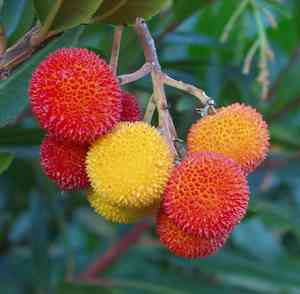
The Strawberry tree showcases shiny, evergreen foliage and produces clusters of white to pinkish blossoms that appear in autumn. Its most distinguishing characteristic is the spherical, red-orange fruits that resemble strawberries, which mature from late autumn to early winter.
What Are the Key Advantages of the Strawberry tree?
Health Benefits
A primary health advantage of the Strawberry tree is its elevated antioxidant content, which can aid in combating oxidative stress within the body. The fruit is also abundant in vitamins, particularly vitamin C, contributing to immune system support. Furthermore, the polyphenols in the Strawberry tree have demonstrated anti-inflammatory and antimicrobial qualities.
Environmental Advantages
The Strawberry tree plays a vital role in fostering biodiversity. Its blossoms draw in bees and other pollinators, while its fruit serves as a food source for birds. Additionally, this plant can help enhance soil stability, preventing erosion thanks to its robust root system.
How to Cultivate and Care for the Strawberry tree?
Planting Advice
Position the Strawberry tree in a spot that receives full sun to partial shade. Ensure the soil drains effectively to prevent root rot. It is advisable to plant it in spring or fall for optimal establishment. Applying mulch around the base can help retain moisture and suppress weeds.
Maintenance Advice
The Strawberry tree requires relatively little upkeep once established. Water the plant regularly during dry periods, but avoid overwatering. Pruning can be performed in late winter to early spring to maintain its shape and remove dead or damaged branches. Fertilizing is generally not essential but can be done sparingly with an all-purpose fertilizer if growth is sluggish.
What Can Be Done with the Fruits of the Strawberry tree?
Culinary Applications
The fruits of the Strawberry tree can be consumed fresh, though they are often more enjoyed when transformed into jams, jellies, or desserts due to their distinct tart-sweet flavor. They can also be utilized to create beverages such as liqueurs and wines.
Non-Culinary Applications
Beyond edible uses, the fruits and leaves of the Strawberry tree can be employed to produce natural dyes. The wood of the Strawberry tree is also used in traditional crafts, furniture making, and as firewood due to its density and slow-burning characteristics.



