How to Prune Strawberry tree?
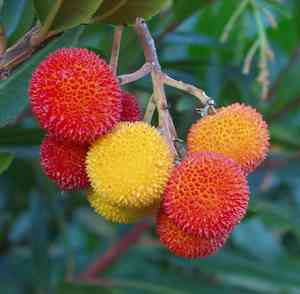
This perennial bush is recognized for its campanulate blossoms and palatable crimson berries. For strawberry tree, trim to preserve its form and eliminate any lifeless or ailing branches, concentrating on opening up the core to enhance airflow. Trimming should be carried out from early to late spring, once the fruits have fully ripened. A unique characteristic of strawberry tree is its capacity to withstand extensive pruning, which can revitalize aged specimens and encourage fresh development. Appropriate pruning boosts fruit yield and sustains the plant's well-being.
What Are the Benefits of Pruning Strawberry Tree?
What Are the Benefits of Pruning Strawberry Tree?
Trimming strawberry tree promotes a more plentiful yield by fostering healthier, more robust development. It also aids in maintaining the desired form and dimensions, enhancing the plant's overall structure and visual appeal.
What Is the Best Time for Pruning Strawberry Tree?
What Is the Best Time for Pruning Strawberry Tree?
Trimming strawberry tree from early spring to late spring is beneficial because this period follows winter dormancy, ensuring that pruning doesn't disrupt the plant's natural growth cycle. This timing allows strawberry tree to recover swiftly and direct resources to new growth as the season commences. Pruning before strawberry tree enters its active growth phase means less stress on the plant and minimal risk of cutting new or emerging blooms, which typically appear from late spring through summer. Furthermore, pruning before summer's arrival helps prevent the introduction of pests or diseases that are more common in warmer weather. This timing ensures the plant retains its health and vigor, encouraging lush foliage and an optimal flowering and fruiting season.
What Tools Do I Need to Prune Strawberry Tree?
Hand Pruners
Perfect for making clean cuts on strawberry tree's smaller branches and twigs. Opt for bypass pruners due to their scissor-like action, which is less likely to harm plant tissues.
Loppers
These long-handled pruners offer extended reach and leverage, suitable for cutting strawberry tree's thicker branches up to 1 1/2 inches in diameter.
Pruning Saws
Essential for larger branches exceeding 1 1/2 inches in thickness. The saw's teeth can manage strawberry tree's hard wood, allowing for precise cuts without tearing the bark.
Secateurs
Also known as hand shears, these are ideal for shaping strawberry tree, removing unhealthy parts, and ensuring a neat appearance.
Garden Gloves
Protect hands from strawberry tree's rough bark and any sharp thorns during pruning.
Pruning Sealer
After making cuts on strawberry tree, apply a sealer to cover the wounds. This helps prevent disease and insect infestation, promoting healthy regrowth.
How to Prune Strawberry Tree
Step1: Timing Pruning to Season
Start pruning strawberry tree during late winter or early spring before new growth begins. This minimizes stress on strawberry tree and facilitates better wound healing.
Step2: Dead Wood Inspection
Examine strawberry tree for dead wood, identifiable by a lack of live buds, dry and brittle branches, and flaky bark. Use clean, sharp pruning shears or a saw for larger branches.
Step3: Cutting Dead Wood
For dead wood removal, make cuts at a 45-degree angle just above a healthy bud, branch, or the branch collar (the swelling where the branch meets the trunk). This encourages proper healing. Cut as close to the collar as possible without damaging it, to prevent diseases.
Step4: Yellow Leaves Removal
To remove yellow leaves, gently trim them away by cutting at the base of the stem. Use sharp bypass pruners to make clean cuts without tearing, which could invite disease.
Step5: Damaged Wood Pruning
Identify damaged wood resulting from physical injuries or disease. Look for cankers, splits, rot, or signs of infection. Prune back to healthy tissue that appears normal in color and texture, ensuring cuts are made at a 45-degree angle.
Step6: Shaping and Thinning Canopy
When thinning strawberry tree, aim to maintain an open, vase-like shape for good air circulation and light penetration. Remove selected interior branches completely to their base but avoid excessive thinning, which can stimulate suckering and water sprout formation.
Step7: Tool Sanitization
After making significant cuts, disinfect your tools with rubbing alcohol or a 10% bleach solution to prevent spreading diseases between plants or to different parts of strawberry tree.
Step8: Post-Pruning Plant Care
Monitor strawberry tree for signs of stress or disease after pruning. Ensure it receives adequate water and nutrients to promote healthy regrowth.
Step9: Pruned Material Disposal
Dispose of all pruned material either by burning, if local regulations allow, or by sealing in bags to prevent the spread of any potential disease. Do not compost diseased plant material.
Post-Pruning Care for Strawberry Tree
Post-Pruning Care for Strawberry Tree
Immediately after trimming strawberry tree, ensure clean cuts to prevent stress and encourage healing. Adjust light exposure; strawberry tree thrives in full sun to partial shade but may need some protection post-pruning. Maintain moderate humidity and avoid extreme temperatures. Fertilize with a balanced, slow-release formula to support regrowth, avoiding over-fertilization which can stress strawberry tree. Regularly inspect the plant for wilted leaves, discoloration, or oozing sap from wounds, which could indicate stress or infection. Promptly address these symptoms with appropriate horticultural treatment.
Common Pruning Mistakes with Strawberry Tree
Over-pruning affects blooming and fruiting
Trimming too aggressively, which can lead to reduced flowering and fruiting in strawberry tree.
Damage from dull or dirty pruning tools
Utilizing dull or unsanitized pruning tools, which can harm strawberry tree's branches and potentially introduce diseases.
Inappropriate cuts into old wood stunts growth
Cutting into mature wood without understanding strawberry tree's capacity to regenerate from such cuts, potentially hindering its growth or altering its natural form.
Excessive removal of new growth impedes canopy
Removing too much new growth, which can prevent strawberry tree from developing a lush, full canopy.
Unplanned pruning harms shape and size
Pruning without a clear objective or strategy, resulting in an undesirable shape or size for strawberry tree.
Common Pruning Tips for Strawberry Tree
Sharp, clean cuts promote healing and health
Employ sharp, clean pruning shears to make precise cuts, which will help strawberry tree heal faster and prevent disease.
Remove dead or diseased branches first
Prioritize removing dead, diseased, or damaged branches first to maintain strawberry tree's health and appearance.
Prune for open center to boost growth
Prune strawberry tree to maintain an open center, allowing light and air to penetrate the canopy, which encourages healthy growth and flowering.
Cut above outward-facing buds for direction
When shortening branches, cut just above a leaf node or bud that faces outward to direct new growth away from the center of strawberry tree.
Thin densely packed areas for natural form
Thin out crowded areas rather than shearing the plant back to preserve strawberry tree's natural form and promote more flowers and fruits.



