Boost Growth: How and When to Repot Your Brittle prickly pear Plant
1
The ideal times to re-pot your Brittle prickly pear are during spring and fall.
2
Always use protective gloves when handling cacti to prevent injury from spines.
3
Confirm the new container offers sufficient drainage to avert root decay.
Why Replant Your Brittle Prickly Pear?
Understanding the Brittle Prickly Pear's growth pattern
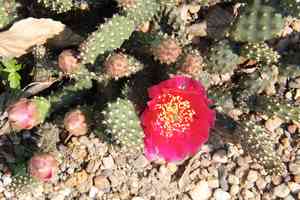
The Brittle prickly pear is a hardy cactus known for its flat, spiny segments. It grows slowly, meaning it doesn't require frequent replanting. However, knowing its growth cycle helps determine when it needs more room. This plant typically grows most actively in spring and autumn, resting during hot summers and cold winters. Therefore, replanting during its active phases ensures quick recovery and flourishing.
Identifying indicators that suggest replanting is necessary
Your Brittle prickly pear might need replanting if you notice any of these signs: roots emerging from drainage holes, a significant decrease in growth, or the plant becoming top-heavy and unstable. Additionally, if the soil degrades and loses its structure, or if you see salt accumulation on the soil's surface, it's time to consider replanting.
Advantages of timely replanting for plant vitality
Prompt replanting offers numerous benefits for your Brittle prickly pear. It provides fresh, nutrient-rich soil for the plant to thrive. Replanting also allows for root health inspection and removal of any damaged or decaying roots. Finally, a larger container accommodates the cactus's increasing size, ensuring its stability and health.
Selecting the Optimal Time and Supplies
Best season for replanting Brittle prickly pear
The ideal times to replant your Brittle prickly pear are during spring and autumn. In these seasons, the plant is actively growing and can better recover from the replanting process. Avoid replanting in summer or winter when the plant is stressed by extreme temperatures.
Essential tools and materials required for replanting
Gather these crucial tools and supplies before replanting: a new pot with drainage holes, a cactus potting mix, gardening gloves, a small hand trowel, and possibly a chopstick or skewer for gently loosening roots. Having everything prepared will streamline the process.
Choosing the appropriate soil mix and container
Select a well-draining cactus or succulent potting mix for your Brittle prickly pear. The container must have drainage holes to prevent waterlogging. A terracotta pot is excellent as it's porous and aids in moisture regulation. Ensure the new pot is only slightly larger than the current one to avoid excessive soil that retains too much moisture.
Step-by-Step Guide to Replanting Brittle Prickly Pear
Preparing your work area and assembling your tools
Set up a clean workspace where you can easily manage soil and plant debris. Gather all necessary tools and materialsânew pot, soil mix, gloves, trowel, and any other items you might need. This preparation helps ensure a smooth replanting operation.
Carefully extracting the plant from its current container
Start by gently tilting the pot on its side and carefully easing the plant out. If the cactus is stuck, use a small stick to loosen the soil and roots around the pot's edge. Always handle the cactus with gloves or use a layer of newspaper to protect your hands from the spines.
Inspecting and trimming the root system as needed
Once the plant is out of its pot, examine the roots. Trim any dead, damaged, or decaying roots with a clean, sharp knife or scissors. Healthy roots should be firm and white. This step promotes a robust and healthy root system.
Placing the plant in its new pot and refilling with soil
Place a layer of fresh soil mix at the bottom of the new pot. Position the cactus in the center and fill in around the roots with more soil. Gently press the soil down to eliminate air pockets but avoid packing it too tightly.
Watering techniques and post-replanting care advice
After replanting, wait for one week before watering to allow any root damage to heal. When you do water, thoroughly moisten the soil and then let it dry out completely before watering again. Place the replanted cactus in a location with bright but indirect sunlight and protect it from extreme temperatures.
Resolving Common Issues After Replanting
Addressing signs of stress in Brittle prickly pear
It's normal for your Brittle prickly pear to exhibit some stress after replanting. Signs include wilting, yellowing pads, or slowed growth. Ensure the cactus is not over-watered, as root rot can quickly become an issue. Adjusting its light exposure and ensuring it's not in a drafty or overly hot location can also alleviate stress.
Tips for recovery and when to seek further assistance
If your cactus continues to struggle after a few weeks, consider seeking advice from a local nursery or gardening expert. Ensure you are following all care guidelinesâadequate light, correct watering practices, and suitable temperatures. Recovery may take time, but with consistent care, your Brittle prickly pear should rebound.



