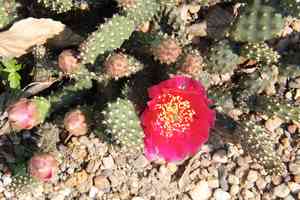
Brittle prickly pear (Opuntia fragilis)
Also known as: Pigmy tuna
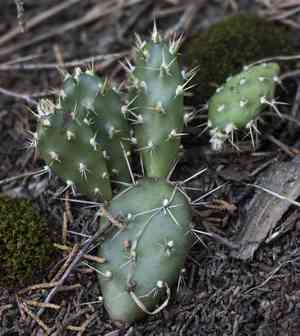
The brittle prickly pear (Opuntia fragilis), sometimes referred to as little prickly pear, is a small, low-growing cactus known for its clumping growth habit and yellow-green flowers. Unique to this species is its ability to easily detach segments, which, upon touching the ground, can root and develop into new plants. This vegetative propagation enables the cactus to spread and form new colonies efficiently. Indoors, it may not produce flowers.
In This Article
Attributes of Brittle prickly pear
Lifespan
Perennial
Plant Type
Succulent
Plant Height
10 cm
Spread
30 cm
Leaf Color
Green Brown
Flower Size
2.5 cm to 3 cm
Flower Color
Yellow
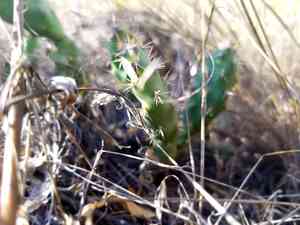
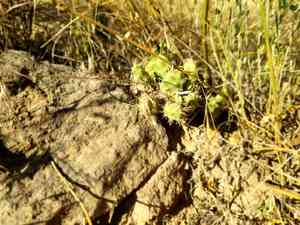
Images of Brittle prickly pear
Quickly Identify Brittle prickly pear
1
Opuntia fragilis can be identified by its small, oval-shaped pads that are often less than 5 cm in length. The pads are green and have small, sharp spines along with tiny, hair-like prickles called glochids. It typically produces yellow flowers.
Scientific Classification of Brittle prickly pear
Phylum
Vascular plants
Class
Dicotyledons
Order
Caryophyllales
Family
Cactuses
Genus
Prickly pear
Species
Brittle prickly pear
Planting and Growing of Brittle prickly pear
Care Difficulty
Easy
Watering Schedule
Every day
Sunlight Requirements
Full sun
Sunshine Duration
4-8 hours
Ideal Temperature
65-80℉
Soil Type
Potting Mix, Peat Mix
Soil pH
6.5-7.5
Fertilizer Type
Balanced
Pruning Season
Spring, Summer
Pruning Area
Branches, Leaves
Pruning Frequency
2 times a year
Repotting Season
Spring
Pot Type
Plastic, Ceramic
 How to Water Brittle prickly pear?
Opuntia fragilis, also known as brittle prickly pear, thrives in arid environments and requires minimal watering. When you water this cactus, aim for a modest quantity of around 50 milliliters. This ensures the roots absorb sufficient moisture, but avoid excess as this plant is highly drought-tolerant.
What are the symptoms of an underwatered Brittle prickly pear?
›
What should I do if my Brittle prickly pear is not getting enough water?
›
What are the symptoms of an overwatered Brittle prickly pear?
›
How to save an overwatered Brittle prickly pear?
›
 What Are the Sunlight Requirements for Brittle prickly pear?
Full sun exposure for 6 to 8 hours is ideal, fostering optimal growth and flowering, and supporting photosynthesis, indispensable for vitality.
More About Sunlight Requirements Techniques→
What is the ideal lighting condition for Opuntia fragilis?
›
How to achieve ideal lighting for Opuntia fragilis?
›
What are the benefits of ideal lighting conditions for Opuntia fragilis?
›
 What Is the Ideal Temperature Range for Brittle prickly pear?
The ideal temperature range for Opuntia fragilis is between 65°F and 80°F. This range supports optimal growth and health of the plant, providing a balance that mimics its natural arid environment. Within this range, the cactus can efficiently perform photosynthesis and maintain its vital functions. It's crucial to maintain this temperature range to avoid stress and hindrance in its developmental process.
 What Soil is Best for Brittle prickly pear?
Opuntia fragilis thrives in well-draining soil conditions as it prevents water from accumulating around the roots, which could lead to rot. This is crucial for a succulent, ensuring the plant's roots remain healthy and capable of absorbing nutrients efficiently. While not overly demanding, moderately fertile soil helps Opuntia fragilis to grow robustly. A soil that provides balanced nutrients supports the plant's overall health, promoting vigorous stem growth and a vibrant appearance. Opuntia fragilis can grow in soil with low organic matter, which mirrors its natural habitat. This reduces maintenance and the risk of nutrient imbalances that might harm its growth.
 How to Fertilize Brittle prickly pear?
Opuntia fragilis requires a balanced approach when it comes to fertilizing. Use a diluted liquid fertilizer with a 10-10-10 NPK ratio, applying about 1/4 strength of the recommended dose to provide a gentle nutrient boost without overwhelming the plant's natural resilience.
 How to Prune Brittle prickly pear?
Use sharp, sterilized pruning shears to ensure clean cuts and prevent the spread of disease. Gloves are essential to protect your hands from the prickly pads and spines. For larger pads, consider using a small hand saw. Focus on removing dead, diseased, or damaged pads first. Next, thin out the plant by removing pads that are overcrowding to improve air circulation. Trim any pads that disrupt the desired shape or size of your cactus. Cut pads at the joint where they attach to the main plant, making sure to leave a small stub to promote healing. Avoid tearing or twisting the pads, as this can damage the plant.
 How to Propagate Brittle prickly pear plant?
1
Choose a healthy, mature pad from an existing Opuntia fragilis plant. Ensure the pad is free from disease and pest damage, as this will increase the likelihood of successful rooting and future growth.
2
After selecting the pad, use sharp, sterilized pruning shears to make a clean cut. Allow the cutting to dry for a few days in a warm, shaded area until a callus forms over the cut surface.
3
Once the callus has formed, plant the cutting in a well-draining cactus potting mix. Ensure the cut end is slightly buried to secure the pad upright. Water sparingly until roots are established.
 How to Repot Brittle prickly pear plant?
1
Opuntia fragilis signals the need for repotting through visible root overgrowth and overcrowded pads. If you notice these signs, or if the cactus appears to be outgrowing its pot, it's time to consider repotting. Ideally, repot in spring or summer when the plant is actively growing, to minimize stress and promote swift adaptation in its new home.
2
Select a pot that is slightly larger than the current one, with ample drainage holes to prevent water accumulation. Terracotta pots are ideal as they aid in moisture evaporation, preventing root rot. The pot's stability is crucial, considering the plant's sprawling nature, so opt for a heavier base that keeps your cactus grounded.
3
Opt for a soil mix specifically designed for cactus and succulents. This mix usually contains materials like sand, perlite, and pumice, which enhance drainage and prevent compaction. The right soil will minimize the risk of waterlogging, crucial for maintaining Opuntia fragilis health, promoting healthy root development and pad growth.



