Enhancing Your Garden Design with the Brittle prickly pear Plant: A Landscaping Guide
1
Brittle prickly pear tolerates dry conditions and requires minimal upkeep, perfect for water-wise landscaping.
2
It offers distinct texture and hue, enhancing the visual appeal of outdoor areas.
3
Appropriate positioning and attention ensure Brittle prickly pear flourishes in diverse garden layouts.
Introduction: Enhancing Your Garden with Brittle prickly pear
Understanding the aesthetic value of Brittle prickly pear in landscaping
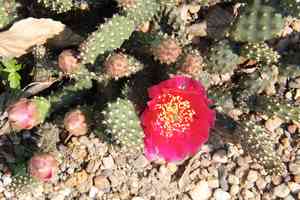
When it comes to landscaping, creating a visually appealing space is often a top priority. Brittle prickly pear adds a unique element to gardens with its distinct shape and striking color variations. Its thick, paddle-like segments and small, vibrant blossoms can capture the eye and become a focal point in your garden design. The contrast Brittle prickly pear offers, especially against more traditional greenery, can elevate the overall visual interest and provide an intriguing texture to your outdoor space.
Benefits of choosing Brittle prickly pear for outdoor spaces
Brittle prickly pear is not just about looks; it brings several practical advantages to your garden. Its drought-resistant nature means it can thrive in arid conditions with minimal watering, making it an eco-friendly choice for those looking to conserve water. Moreover, Brittle prickly pear is known for its low-maintenance requirements, which is perfect for busy homeowners or those new to gardening. This plant is also naturally resilient against many pests and diseases, adding to its appeal as a hardy and reliable addition to your landscaping efforts.
Designing With Brittle prickly pear: Placement and Combinations
Ideal locations for Brittle prickly pear in your garden
Selecting the right spot for Brittle prickly pear in your garden is crucial for its growth and the overall aesthetic appeal. Brittle prickly pear thrives best in areas with full sunlight, so look for spots that receive ample direct light throughout the day. Consider placing Brittle prickly pear in front yard beds, along pathways, or in open garden spaces where its unique form can be appreciated. Ensuring good drainage in the chosen location is also important to prevent root rot and allow the plant to thrive.
Complementary plants for Brittle prickly pear
Combining Brittle prickly pear with other plants can create a balanced and visually appealing garden design. Succulents and other drought-resistant plants like agave, sedum, and yucca make excellent companions, as they share similar water and sunlight requirements. Ornamental grasses can add a soft contrast to the rigid structure of Brittle prickly pear. Additionally, flowering plants that thrive in dry conditions, such as lantana or coneflowers, can bring vibrant colors that complement the more subdued tones of Brittle prickly pear's pads.
Practical Tips for Incorporating Brittle prickly pear Successfully
Soil and sunlight requirements
Brittle prickly pear is adaptable but performs best in sandy or gritty soil that ensures excellent drainage. If your garden soil is heavy clay or loamy, consider amending it with sand or gravel to enhance its draining properties. As for sunlight, placing Brittle prickly pear in an area that enjoys full sun for at least six hours a day will promote healthy growth. Avoid shady spots as they can slow down the plant's development and may lead to fungal issues.
Maintaining Brittle prickly pear in different seasons
While Brittle prickly pear is relatively low-maintenance, some seasonal care can help it thrive. In the summer, ensure it's not over-watered, especially if you experience heavy rains. During winter, Brittle prickly pear can withstand cooler temperatures but should be protected from extreme frost. Applying a light layer of mulch around the base can help insulate the roots. Regularly check the plant for any signs of pests or disease, though these are usually rare with Brittle prickly pear.
Creative Ideas for Brittle prickly pear in Landscape Features
Incorporating Brittle prickly pear into rock gardens
Rock gardens and Brittle prickly pear are a match made in heaven. This plant's ability to thrive in well-draining, rocky soils makes it a natural choice for such settings. Arrange Brittle prickly pear among stones of varying sizes to create a rugged, natural landscape. The juxtaposition of Brittle prickly pear's soft paddles against the hard rocks adds a dynamic visual interest. You can also mix in other succulents and alpine plants that prefer similar growing conditions to enhance the diversity and appeal of your rock garden.
Using Brittle prickly pear as a natural boundary or fence
Consider using Brittle prickly pear as a natural boundary or fence to outline certain areas of your garden. Its spiny paddles can serve as a deterrent for unwanted visitors, including small animals. Strategically placing Brittle prickly pear along property lines, around flower beds, or even as a border for vegetable plots can create a defined and aesthetically pleasing edge. This not only adds structure to your garden layout but also showcases Brittle prickly pear as a significant design element.
Overcoming Challenges with Brittle prickly pear in Landscaping
Dealing with common issues in growing Brittle prickly pear
Growing Brittle prickly pear can occasionally come with challenges such as pests or improper watering practices. To mitigate these issues, always monitor the moisture levels in the soil. Overwatering can lead to root rot, while under-watering may cause the plant to dry out. Pests like aphids or scale insects can be washed off with a gentle water spray or treated with natural insecticides. Ensuring good air circulation around the plant can also prevent fungal diseases.
Best practices for long-term care (minimal detail)
Long-term care for Brittle prickly pear involves regular checks for signs of stress or disease and timely interventions as necessary. Minimize watering during rainy seasons and consider a seasonal feed with a balanced fertilizer to support its development. Occasional pruning can help maintain its shape and remove any damaged segments. With these practices, Brittle prickly pear can be a thriving and long-lasting feature in your landscape.



