How to Prune Indian yellow-eyed grass?
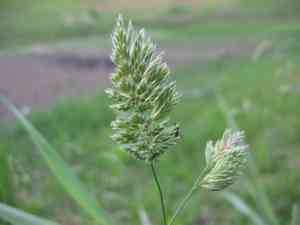
A fragile marshland perennial, indian yellow-eyed grass is identifiable by its elevated, slender leaves and vivid yellow blossoms. Trimming ought to be performed in Spring or Summer to foster vigorous development and blooming. Eliminate faded flower stems and cut back aged or compromised foliage to sustain the plant's vitality and visual attractiveness. This activity improves air movement and lowers the likelihood of infestations and ailments. Pruning not only maintains indian yellow-eyed grass's neat appearance but also encourages more robust, flourishing growth phases.
What Are the Benefits of Pruning Indian Yellow-eyed Grass?
What Are the Benefits of Pruning Indian Yellow-eyed Grass?
Trimming indian yellow-eyed grass boosts its vitality and maintains its compact shape, resulting in vigorous development and an attractive look. Regular cutting aids in efficient resource distribution for healthier growth.
What Is the Best Time for Pruning Indian Yellow-eyed Grass?
What Is the Best Time for Pruning Indian Yellow-eyed Grass?
Pruning indian yellow-eyed grass during Spring and Summer is recommended due to its active growth period in these warmer months. Trimming in Spring helps stimulate new growth and improves the plant's overall health and appearance as it emerges from its less active winter phase. Summer pruning, conversely, is beneficial for shaping the plant and removing any spent blooms or damaged leaves, which promotes better air circulation and light exposure to the plant's inner sections. These practices ensure that indian yellow-eyed grass remains strong and can produce abundant flowers in its blooming season.
What Tools Do I Need to Prune Indian Yellow-eyed Grass?
Floristâs Snips
These are perfect for delicate trimming of indian yellow-eyed grass, allowing precise cuts to remove dead or yellowed leaves without harming surrounding foliage.
Fine Pruning Shears
Given indian yellow-eyed grass's slender foliage, fine pruning shears offer accuracy and are gentle on the plant, ensuring clean cuts that help prevent damage to the delicate structure of indian yellow-eyed grass.
Small Gardening Scissors
Ideal for detailed pruning, these scissors enable meticulous upkeep of indian yellow-eyed grass's narrow leaves and are suitable for shaping the plant without causing undue stress.
How to Prune Indian Yellow-eyed Grass
Identification
Identify the diseased and withered leaves and any visibly diseased stems on indian yellow-eyed grass. Be sure to check both the lower and upper parts of the plant for thorough pruning.
Preparation
Prepare the necessary tools such as sharp, clean shears or scissors. Sterilize the tools before and after use to prevent the spread of diseases to healthy parts of indian yellow-eyed grass.
Pruning leaves
Carefully remove diseased and withered leaves by cutting at their base where they join the stem or main plant body. Ensure cuts are clean and as close to the stem as possible to avoid leaving stubs which can lead to further infection.
Pruning stems
Prune diseased stems by cutting them back to the base or to the point where healthy tissue begins. Make sure to make a diagonal cut to facilitate water runoff and prevent water accumulation, which might lead to rot.
Cleanup
Dispose of all pruned material properly by burning or sealing in a bag to prevent disease spread. Clean the area around indian yellow-eyed grass to ensure no diseased material remains which could re-infect the plant.
Common Pruning Mistakes with Indian Yellow-eyed Grass
Over-pruning
A frequent error is removing too much foliage from indian yellow-eyed grass, which can stress the plant and hinder its growth. Indian yellow-eyed grass should retain a significant portion of its leaves to ensure adequate photosynthesis and energy storage.
Improper tool use
Using dull or dirty pruning tools can damage the delicate stems of indian yellow-eyed grass, leading to jagged cuts that are susceptible to disease and pests. Always use sharp, clean pruning shears.
Removing healthy foliage
Sometimes gardeners inadvertently remove healthy, vibrant foliage while targeting dead or diseased parts. It's crucial to distinguish between healthy and unhealthy foliage to maintain the plant's vitality.
Common Pruning Tips for Indian Yellow-eyed Grass
Selective pruning
Focus on removing only the dead or yellowing leaves at the base of indian yellow-eyed grass. This helps in promoting better air circulation and light penetration, which are essential for the health of the plant.
Post-bloom trimming
After indian yellow-eyed grass has flowered, trim back the flower stalks to a point just above where they emerge from the foliage. This encourages the plant to focus energy on new growth and potentially rebloom.
Regular maintenance
Regularly inspect indian yellow-eyed grass and remove any dead or damaged leaves and flower stalks. This not only keeps the plant looking tidy but also prevents the spread of disease and encourages healthier, more robust growth.



