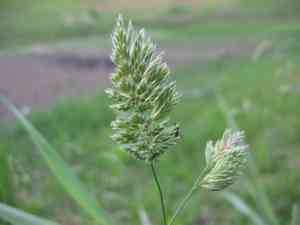
Indian yellow-eyed grass (Xyris indica)
Also known as: Yellow-eyed grass, Common yellow-eyed grass
Indian yellow-eyed grass (*Xyris indica*) features small yellow flowers that appear to emerge from structures resembling tiny pine cones at the tips of its stalks. This perennial plant thrives in wet, marshy environments such as swamps and other moist areas predominantly found in subtropical regions of Asia and Australia.
In This Article
Attributes of Indian yellow-eyed grass
Lifespan
Perennial
Plant Type
Herb
Plant Height
1 m
Spread
Typically 10-20 cm
Leaf Color
Green Blue
Flower Size
Up to 1 cm
Flower Color
Yellow
Images of Indian yellow-eyed grass
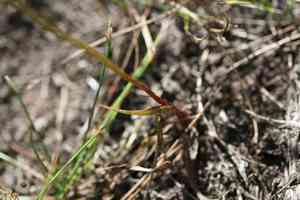
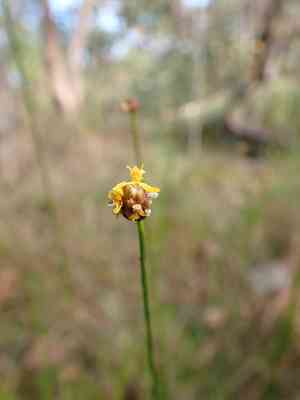
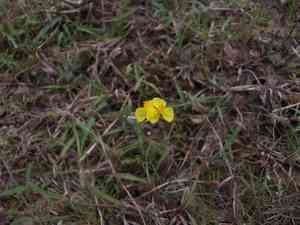
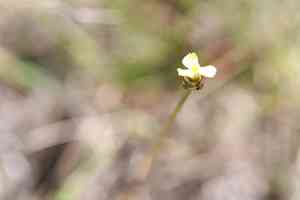
Quickly Identify Indian yellow-eyed grass
1
The plant can be identified by its grass-like leaves and small, yellow flowers that are arranged in dense, spike-like inflorescences. The flowers have a unique eye-like appearance, which is characteristic of the species.
Scientific Classification of Indian yellow-eyed grass
Phylum
Vascular plants
Class
Monocotyledons
Order
Poales
Family
Yellow-eyed grasses
Genus
Yelloweyed grasses
Species
Indian yellow-eyed grass
Planting and Growing of Indian yellow-eyed grass
Care Difficulty
Easy
Watering Schedule
Every 3 days
Sunlight Requirements
Full sun
Sunshine Duration
4-6 hours
Ideal Temperature
68-86℉
Soil Type
Potting Mix, Peat Mix
Soil pH
4.5-6.5
Fertilizer Type
Balanced
Pruning Season
Spring, Summer
Pruning Area
Branches, Leaves
Pruning Frequency
2 times a year
Repotting Season
Spring
Pot Type
Plastic, Ceramic
 How to Water Indian yellow-eyed grass?
Xyris indica requires watering that moistens the soil but does not leave it saturated. Watering should ensure the soil is evenly moist to a depth of about 5 cm, allowing excess water to drain freely.
What are the symptoms of an underwatered Indian yellow-eyed grass?
›
What should I do if my Indian yellow-eyed grass is not getting enough water?
›
What are the symptoms of an overwatered Indian yellow-eyed grass?
›
How to save an overwatered Indian yellow-eyed grass?
›
 What Are the Sunlight Requirements for Indian yellow-eyed grass?
Xyris indica prefers a light range from partial to full sun. This ensures proper photosynthesis, supporting healthy growth and flowering. Ideal lighting contributes to strong, vibrant foliage and enhances the plant's natural beauty and resilience.
What are the ideal lighting conditions for Xyris indica?
›
How can you ensure Xyris indica gets the ideal light?
›
What benefits does Xyris indica receive under ideal light conditions?
›
 What Is the Ideal Temperature Range for Indian yellow-eyed grass?
The ideal temperature range for Xyris indica is between 68°F and 86°F. This range ensures that the plant's metabolic processes function at their best, promoting healthy growth and development. Maintaining this temperature range helps optimize photosynthesis, respiration, and nutrient absorption, leading to robust foliage and flowering.
 What Soil is Best for Indian yellow-eyed grass?
Xyris indica thrives best in well-drained soil, which prevents waterlogging and root rot. Ensuring the soil has good drainage improves the plant's growth by allowing roots to access air, promoting a healthier and more robust plant. This plant prefers soil that is moist yet well-drained, which means the roots have access to adequate moisture without the risk of sitting in water. This balance helps in maintaining the nutrient uptake efficiency of the plant. Nutrient-rich substrate is beneficial for Xyris indica as it supports better flowering and a vibrant appearance. Incorporating organic matter like compost can enhance soil fertility and improve microbial activity around the roots.
 How to Fertilize Indian yellow-eyed grass?
For Xyris indica, light and balanced fertilization is key. Use a balanced 10-10-10 liquid fertilizer, applying at a concentration of 1 teaspoon per gallon of water. With solid fertilizers, aim for about 1-2 pounds per 100 square feet annually.
 How to Prune Indian yellow-eyed grass?
Begin by removing any dead stems carefully with sterilized scissors by cutting close to the base. Trim back faded flowers to encourage new blooms. Shape the plant by maintaining an even height, ensuring not to cut more than one-third of the stem length at a time for balanced growth. Be sure to wear gardening gloves to protect your hands from any rough or sharp parts of the plant. Additionally, always cut at an angle to promote water runoff and avoid making wounds where stagnation might occur.
More About Pruning Techniques→
 How to Propagate Indian yellow-eyed grass plant?
1
Wait for the Xyris indica plant to produce mature seed heads. Carefully collect the seeds by gently shaking or cutting the heads into a paper bag to avoid loss of seeds.
2
Use a well-draining soil mix with equal parts peat, sand, and perlite. This mix provides the necessary aeration and moisture retention for seedling growth.
3
Scatter the seeds evenly over the soil surface in the trays, cover them lightly with soil, and water gently to keep the soil moist but not waterlogged to promote germination.
 How to Repot Indian yellow-eyed grass plant?
1
Xyris indica should be repotted when you notice roots are growing out of the drainage holes or when water takes a long time to drain. Repotting during Spring or early Summer provides the plant with optimal recovery conditions as it aligns with their growth cycle.
2
Select a pot that is 1-2 inches wider in diameter than the current one. This space allows Xyris indica room to grow without being too large, which can lead to water sitting in the soil and causing root rot. Ensure the pot has drainage holes to prevent water accumulation.
3
A well-draining sandy loam is ideal for Xyris indica. This type of soil mimic's the plant's natural habitat, ensuring good aeration and proper water drainage. It prevents root rot by avoiding waterlogged conditions while providing essential nutrients.
Learn More About Indian yellow-eyed grass Diseases
Anthracnose
Bacterial Leaf Spot
Bacterial Soft Rot
Bacterial Wilt
Chemical Injury
Cyst Nematode
Damping-off
Downy Mildew
Drought Stress
Fusarium Wilt
Gray Mold
Leaf Spot
Mosaic
Nutrient Deficiency
Nutrient Toxicity
Powdery Mildew
Root Rot
Root-knot Nematode
Rusts
Sooty Mold
Spider Mites
Temperature Stress
Thrips Damage
White Mold



