How to Propagate Indian yellow-eyed grass?
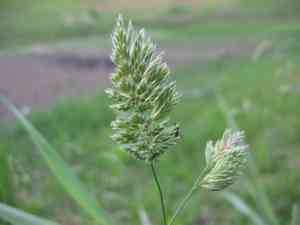
Indian yellow-eyed grass flourishes when reproduced via stem sections. Verify that every cutting possesses a robust portion of the stalk. The incision should be performed directly beneath a joint, and employing a rooting stimulant is beneficial for promoting development. Insert the cuttings into a potting blend that drains effectively, keeping it damp without saturation to encourage root formation. Diffused sunlight is perfect, offering ample illumination while shielding the cuttings from duress.
What Is the Best Time To Propagate Indian Yellow-eyed Grass?
Propagation Type
Cutting
Propagation Season
Spring,Summer
What Tools Are Used in Indian Yellow-eyed Grass Propagation?
Sharp Pruning Shears
Crucial for making clean, precise cuts when taking indian yellow-eyed grass cuttings, sharp pruning shears help prevent harm to the parent plant and ensure healthy cut ends. Clean cuts promote quicker healing and lower the risk of disease.
Rooting Hormone
Applying rooting hormone to indian yellow-eyed grass cuttings encourages faster root development and boosts the survival rate of new plants. This specialized formula stimulates the growth of root cells, vital for the successful establishment of cuttings.
Sterile Potting Mix
Utilizing a sterile potting mix provides indian yellow-eyed grass cuttings with a neutral, pathogen-free environment conducive to root formation. This medium supports healthy growth without competition or stress from bacteria, fungi, or pests found in non-sterile soils.
Propagation Trays
These trays are used to arrange and maintain indian yellow-eyed grass cuttings in a controlled setting. Propagation trays assist in sustaining consistent moisture levels and temperature, both critical elements for successful rooting of cuttings.
Humidity Dome
A humidity dome placed over indian yellow-eyed grass propagation trays helps maintain high humidity levels, which are essential to prevent the delicate cuttings from drying out before new roots have formed.
Heating Mat
Especially useful when propagating indian yellow-eyed grass in colder climates or seasons, a heating mat promotes an ideal growth temperature, enhancing the rooting process and overall propagation success.
How to Propagate Indian Yellow-eyed Grass?
Propagation Type
Easy
How to Care for Your Newly Propagated Indian Yellow-eyed Grass?
How to Care for Your Newly Propagated Indian Yellow-eyed Grass?
Once roots have developed, gradually introduce the young indian yellow-eyed grass plants to less humid conditions by removing the plastic cover over a week. Transplant them into a permanent spot with full to partial sun exposure and well-draining soil. Consistent watering is crucial, especially during dry spells, to support their growth and flowering. Additionally, applying a balanced fertilizer during the growing season can enhance the plant's health and bloom.
Common Mistakes to Avoid When Propagating Indian Yellow-eyed Grass
Overwatering
Excessive watering can lead to root rot and fungal infections, ultimately killing indian yellow-eyed grass.
Insufficient Light
Providing inadequate light can hinder growth and prevent indian yellow-eyed grass from flourishing.
Using the Wrong Soil
Using soil that doesnât drain well can result in waterlogged roots, which is harmful to indian yellow-eyed grass.
Incorrect Cutting Technique
Poor execution in cutting methods can damage the plant, reducing its ability to propagate.
Neglecting Humidity Levels
Failing to maintain appropriate humidity levels can dry out indian yellow-eyed grass, affecting its growth.
Tips For Propagating Indian Yellow-eyed Grass
Moderate Watering
Water indian yellow-eyed grass sparingly and ensure the soil is well-draining to avoid root rot.
Adequate Lighting
Place indian yellow-eyed grass in an area with plenty of bright, indirect light to promote healthy growth.
Suitable Soil Mix
Use a well-draining soil mix, such as a combination of sand and compost, to support healthy root development.
Proper Cutting Technique
Use sharp, clean tools to take cuttings and make sure to cut just below a node to encourage root growth.
Maintaining Humidity
Keep indian yellow-eyed grass in a humid environment or use a humidity dome to ensure it gets the moisture it needs for optimal growth.



