How to Prune Rainier violet?
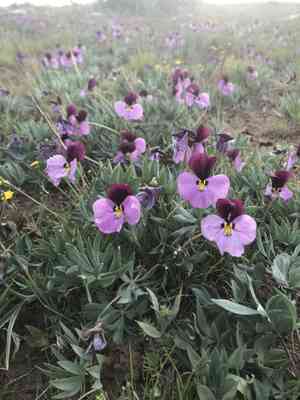
The Rainier violet is distinguished by its fragile purple blossoms and cordate foliage. Trim Rainier violet during early spring or late winter, prior to the appearance of new shoots. Concentrate on excising deceased or impaired stalks to improve air circulation and vitality. Gently snip back excessively long sections to preserve its form and stimulate abundant blooming. Refrain from severe cutting, as the Rainier violet flourishes with limited interference. Consistent trimming fosters vigorous development and wards off ailments, guaranteeing a lively and enduring presentation.
What Are the Benefits of Pruning Rainier Violet?
What Are the Benefits of Pruning Rainier Violet?
Trimming rainier violet encourages strong development, maintains its form, boosts blooming, and improves its overall look. Regular cutting helps it resist pests and illnesses, keeping the plant healthy and strong.
What Is the Best Time for Pruning Rainier Violet?
What Is the Best Time for Pruning Rainier Violet?
Trimming or cutting rainier violet in early spring or late winter aligns with its inactive period, reducing stress and encouraging healthy development during the active growing season. This timing helps prevent disruption to rainier violet's flowering cycle, ensuring it blooms effectively in the subsequent season. Additionally, it minimizes the risk of diseases and pests that are more common during warmer months. By pruning at these times, gardeners can also remove any damaged or dead wood that may have accumulated over winter, enhancing overall plant health and structure.
What Tools Do I Need to Prune Rainier Violet?
Bypass Pruners
Perfect for making clean cuts on stems and small branches without crushing them, crucial for maintaining rainier violet's health and beauty.
Hand Pruners
Useful for removing dead or damaged parts of rainier violet, ensuring proper development and preventing disease.
Pruning Shears
Excellent for shaping rainier violet and managing its size, allowing for better air circulation and sunlight penetration.
Handheld Pruning Saw
Though seldom needed for rainier violet, this tool is helpful for thicker stems and branches that might occasionally require removal.
How to Prune Rainier Violet
Inspect
Carefully examine rainier violet to find and identify diseased and withered leaves that need to be removed to maintain plant health.
Sanitize
Disinfect your pruning tools with rubbing alcohol or a bleach solution to prevent the spread of disease before beginning the trimming process.
Remove diseased
Using disinfected pruning shears, carefully cut away any diseased leaves. Cut close to the base of the leaf stem without harming the main stem or healthy parts of the plant.
Remove withered
Proceed to remove withered leaves by cutting them off at their base. Ensure you remove the entire leaf to prevent any potential spread of disease or decay.
Dispose
Discard the diseased and withered leaves in a trash bag and avoid composting them to prevent contamination of the compost system.
Common Pruning Mistakes with Rainier Violet
Over-pruning
Removing too much foliage can stress rainier violet, hindering its growth and reducing flowering. It's important to avoid cutting back more than a third of the plant at any one time.
Improper technique
Using dull or dirty tools can damage the plant tissue and introduce diseases. Pruning with sharp, clean shears is crucial for making clean cuts.
Timing mistakes
Pruning at the wrong time can impact rainier violet's ability to recover and bloom properly. Avoid pruning when the plant is in bloom or about to enter its blooming phase.
Wrong cut location
Cutting too close to the main stem or leaving too much stub can cause dieback and disease. Ensure cuts are made just above a node or a set of leaves.
Common Pruning Tips for Rainier Violet
Use sharp tools
Always use sharp, clean pruning shears to make precise cuts without damaging the plant.
Cut above a node
Make cuts just above a healthy node or set of leaves to promote new growth while preventing dieback.
Remove dead/damaged growth
Regularly remove dead, diseased, or damaged stems and leaves to maintain the plant's health and encourage robust growth.
Light pruning
Engage in light pruning to shape rainier violet and remove any straggly or overgrown stems. This helps maintain its natural form and promotes air circulation.
Sanitize tools
Sanitize pruning tools before and after use to prevent the spread of disease between plants.



