How to Propagate Rainier violet?
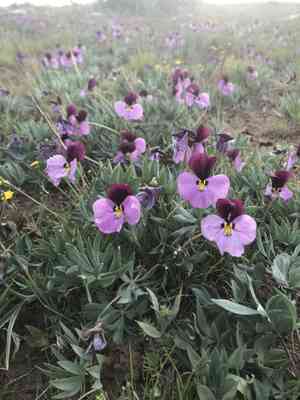
Rainier violet flourishes in adequately drained substrate and dappled sunlight. To propagate, scatter seeds directly onto the soil's surface and gently press them in without burying, making sure they stay damp but not saturated. Sustain steady moisture and warmth to improve sprouting. This approach closely mimics natural environments, increasing successful outcomes. Regular irrigation is crucial until young plants are rooted, progressively decreasing as they develop.
Optimal Period for Rainier Violet Propagation
Propagation Method
Seeding
Propagation Period
Spring
Tools for Rainier Violet Propagation
Seed Tray
Seed trays are vital for sowing rainier violet seeds. They provide a controlled environment for germination, ensuring uniform spacing and ideal conditions for each seed's development. Trays can be easily moved to optimal light and temperature locations, crucial for rainier violet's early growth.
Seedling Heat Mat
A heat mat delivers consistent warmth from below, which aids in the germination of rainier violet seeds. This encourages quicker and more even sprouting by maintaining an ideal soil temperature, especially beneficial in cooler settings.
Humidity Dome
Humidity domes help retain moisture and warmth, creating a miniature greenhouse effect. This is essential for rainier violet during germination and early growth, preventing young seedlings from drying out and ensuring a stable, humid environment.
Seed Starting Mix
A premium seed starting mix is free of large particles and pathogens, offering a sterile environment for rainier violet seeds to sprout. The mix is designed to hold moisture while providing good aeration, vital for healthy root development and preventing damping-off disease.
Watering Can with Fine Rose
A watering can with a fine rose is perfect for gently irrigating rainier violet seeds and seedlings. This prevents seed displacement and avoids soil compaction, important for maintaining soil structure and ensuring even water distribution.
Labels and Marker
Proper labeling of seed trays is critical for tracking rainier violet seeds, especially when propagating multiple species or varieties. This practice helps prevent confusion and allows for accurate monitoring of germination rates and growth progress.
Light Source
A dedicated grow light or a bright, indirect light location is necessary to provide sufficient illumination for rainier violet seedlings, particularly when natural sunlight is scarce. Adequate lighting ensures strong, healthy growth and prevents seedlings from becoming leggy.
How to Propagate Rainier Violet?
Propagation Type
Simple
Caring for Your Newly Propagated Rainier Violet
Caring for Your Newly Propagated Rainier Violet
Post-germination, ensure seedlings receive ample light, ideally in a cool, bright spot. Regularly check soil moisture and water as needed to keep the soil consistently damp but not waterlogged. Gradually introduce seedlings to outdoor conditions if started indoors, by exposing them to increasing amounts of outdoor light and temperatures over a week. When transplanting outdoors, select a location with partial shade. Mulch around the plant bases to retain moisture and suppress weeds. Regularly inspect for pests and diseases, and apply a balanced fertilizer every 2-4 weeks during the growing season to promote vigorous growth.
Common Errors to Avoid When Propagating Rainier Violet
Overwatering
Excessive moisture can lead to root rot, a frequent problem that hinders growth and can kill the plant.
Incorrect Soil Choice
Using heavy or unsuitable soil can impede proper drainage and cause root-related issues.
Lack of Adequate Light
Insufficient light hinders photosynthesis, resulting in weak and elongated plants.
Neglecting Pest Control
Failure to monitor for pests can lead to infestations that harm the plant or impede its growth.
Improper Cutting Technique
Incorrectly taking cuttings can damage the plant and reduce the likelihood of successful propagation.
Tips For Propagating Rainier Violet
Moderate Watering
Water sparingly to maintain moisture without saturating the soil; a moist yet well-drained medium is ideal.
Well-Draining Soil
Utilize a mix that allows excess water to escape, preventing root rot and ensuring healthy root development.
Bright, Indirect Light
Provide ample light without direct exposure to harsh sunlight to encourage robust growth and healthy foliage.
Regular Pest Inspections
Monitor the plant frequently for signs of pests and address any issues promptly to safeguard the plant's health.
Clean, Sharp Tools
Use sanitized and sharp tools for taking cuttings to avoid unnecessary stress and damage to the plant, increasing the chances of successful propagation.



