How to Prune Horned violet?
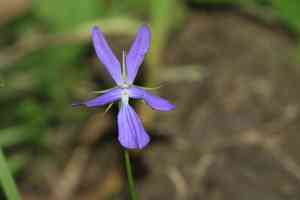
A delightful perennial recognized for its abundant blossoms and attractive leaves. To sustain the vitality of horned violet, consistent removal of faded blooms encourages ongoing flowering. Trim back the foliage following the initial frost to stimulate robust new growth. Perform light pruning throughout the year to sculpt the plant and eliminate compromised or ailing sections. This trimming revitalizes horned violet, boosting flower production and hindering seed scattering, which can cause excessive density. Employ sanitized implements to avert the spread of pathogens during maintenance.
What Are the Benefits of Pruning Horned Violet?
What Are the Benefits of Pruning Horned Violet?
Trimming horned violet promotes abundant flowering, stimulates vigorous development, and maintains a desirable compact form, enhancing its aesthetic appeal and vitality.
What Is the Best Time for Pruning Horned Violet?
What Is the Best Time for Pruning Horned Violet?
Horned violet is a perennial plant that typically flowers in spring and summer. Pruning in early spring helps eliminate dead or damaged foliage from winter, encouraging new growth and healthier, more robust blooms. Summer trimming, especially after the initial flush of flowers has faded, can stimulate a new blooming cycle and help maintain the plant's shape. Consistent deadheading throughout the flowering season is also beneficial for continuous flower production. During autumn and winter, it's advisable to reduce pruning to allow horned violet to enter its natural dormancy period undisturbed.
What Tools Do I Need to Prune Horned Violet?
Hand Pruners
Perfect for precise trimming of horned violet, allowing gardeners to cut back overgrown stems without harming delicate foliage or nearby plants.
Pruning Shears
Providing clean cuts that help prevent damage and disease, these are ideal for deadheading spent flowers to encourage more blooms in horned violet.
Scissors
Standard household scissors can be utilized for minor pruning tasks on horned violet, such as snipping off dead or yellow leaves, due to their ease of handling.
Gloves
Though not a cutting tool, gloves protect the gardener's hands from scratches and dirt while pruning horned violet.
How to Prune Horned Violet
Sterilize
Sanitize pruning tools with alcohol or a bleach solution to prevent disease transmission when trimming horned violet.
Remove Diseased Leaves
Carefully snip off any diseased leaves from horned violet using sharp scissors or pruning shears, ensuring to cut at the base of the leaf stem to encourage healthy growth.
Trim Withered Parts
Cut off withered leaves and dead branches from horned violet close to the base, but be careful not to harm the healthy stems and foliage that will support new growth.
Eliminate Diseased Branches
Identify and remove all diseased branches on horned violet by cutting them back to a healthy section of the branch. Make the cuts just above a leaf node or bud to encourage new growth.
Deadhead Flowers
Pinch or snip off faded flowers of horned violet just below the flower head to encourage new blooms and maintain a neat appearance. Deadheading also helps prevent the plant from putting energy into seed production.
Common Pruning Mistakes with Horned Violet
Over Pruning
Removing too much foliage at once can stress horned violet, leading to weak growth or plant failure. It's crucial to prune thoughtfully.
Pruning Into Old Wood
Horned violet blooms on new growth, so cutting into old, woody stems can reduce flowering potential and may not regenerate effectively.
Ignoring Deadheading
Neglecting to remove spent flowers on horned violet can limit its blooming performance, as it focuses energy on seed production rather than new blossoms.
Improper Tool Use
Using dull or dirty cutting tools can damage horned violet's delicate stems and leave the plant susceptible to diseases.
Shaping Without Understanding Growth Habit
Horned violet has a natural mounding habit. Attempting to shape it into formal hedges or unnatural forms can result in a poor appearance and reduced vigor.
Common Pruning Tips for Horned Violet
Selective Pruning
Target only the areas that require attention such as dead, damaged, or diseased foliage. This directs energy into healthy growth and flowering.
Frequent Light Pruning
Regularly pinch out the tips of horned violet to promote bushier growth and more blooms rather than waiting for a major prune.
Deadheading
Regularly remove spent flowers to encourage horned violet to produce more blossoms and to maintain a tidy appearance.
Clean, Sharp Tools
Always use clean, sharp pruning shears or scissors to make precise cuts that will heal quickly, minimizing stress on horned violet.
Pruning For Rejuvenation
If horned violet becomes leggy or sparse, light pruning can invigorate the plant by promoting new growth that will carry future flowers.



