Enhancing Your Garden Design with the Horned violet Plant: A Landscaping Guide
1
Horned violet brings lively hues and interesting feel to any garden space.
2
Strategic positioning helps Horned violet flourish and enhance your outdoor area.
3
Caring for Horned violet requires knowledge of its yearly development cycles.
Appreciating the Visual Charm of Horned Violet
Discover the distinct visual attributes of Horned violet
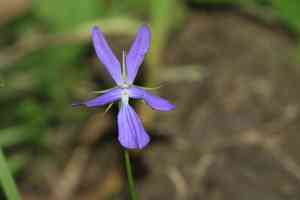
When considering Horned violet for your garden, its unique visual appeal is undeniable. Often adorned with captivating hues and delicate blossoms, Horned violet stands out as a versatile plant capable of enhancing both formal and informal garden settings. Its compact structure makes it perfect for adding layers and depth, typically displaying lush green foliage interspersed with vibrant flowers. Its small size allows it to fit neatly into various landscape designs, offering a burst of color and life that's hard to rival.
The influence of color and texture in your garden
Integrating Horned violet into your landscape can significantly impact your garden's overall aesthetic. The plant's vivid shades range from deep purples to bright yellows, providing a striking contrast against greener backgrounds. Additionally, the texture of Horned violet adds another layer of interest; its velvety petals juxtaposed with crisp, leafy greens create an engaging sensory experience. By utilizing these elements, you can design garden spaces that are visually rich and inviting.
Seasonal changes: Flowering and beyond
Horned violet isn't just a single-season marvel. Its blooming period, typically in spring, delivers an explosion of color that revitalizes any landscape. However, even after the flowers have faded, the plant continues to contribute to the garden's beauty with its verdant foliage. Understanding these seasonal dynamics allows for strategic planting, ensuring continuous visual appeal throughout the year. Combining Horned violet with other seasonal plants can create a harmonious garden that evolves beautifully from spring through fall.
Selecting the Optimal Location for Horned Violet in Your Landscape
Sunlight and shade: Locating the ideal spot
Choosing the perfect location for Horned violet is vital for its growth and visual impact. Horned violet thrives best in areas receiving partial sunlight, making it ideal for spots with morning sun and afternoon shade. Excessive direct sunlight can scorch leaves, while too much shade can hinder blooming. Evaluate your garden's light patterns and, if necessary, experiment with different placements to find the optimal balance of light exposure for Horned violet.
Companion plants: What pairs best with Horned violet?
Pairing Horned violet with complementary plants can create a cohesive and dynamic garden design. Plants sharing similar light and water needs, such as certain grasses and small shrubs, make excellent companions. For variety, consider incorporating plants with contrasting textures and colorsâthink spiky ornamental grasses against the gentle blooms of Horned violet. This layering technique not only ensures healthy plant growth but also enriches your garden's visual tapestry.
Incorporating Horned Violet for Year-Round Visual Interest
Establishing a focal point in seasonal cycles
To make Horned violet a focal point, you can design garden sections that highlight this plant during its peak blooming period. Placing Horned violet in areas that naturally draw the eye, such as at the end of a pathway or in the center of a garden bed, can create stunning focal points. This technique leverages the plant's seasonal vibrancy to maximum effect, ensuring your garden captures attention during its most colorful periods.
Integrating Horned violet with perennial and annual plants
Combining Horned violet with both perennial and annual plants can ensure your garden maintains interest throughout the year. Perennials like hostas and ferns can provide a consistent backdrop, while annuals offer changing highlights in different seasons. This mix helps in maintaining an ever-evolving gardenâwhere Horned violet shines brightly during its bloom period and transitions seamlessly into the background during off-seasons, always complemented by other plants.
Tips for sustaining visual appeal
Regular upkeep is crucial for keeping your garden attractive. Deadheading spent Horned violet blooms encourages new growth and extends the flowering period. Additionally, periodic pruning helps maintain the plant's shape and health. Mulching around Horned violet can retain soil moisture and suppress weeds, further enhancing its visual appeal. Consider seasonal cleanup activities like removing fallen leaves, which can obscure the plant's vibrancy, ensuring your garden remains tidy and attractive year-round.
Practical Design Advice for Efficient Horned Violet Integration
Spacing and grouping approaches
Proper spacing is vital when planting Horned violet to ensure adequate airflow and prevent diseases. Grouping plants of similar sizes can create a more cohesive look, and it's advisable to place Horned violet in clusters rather than as single plantings. This method mimics natural growth patterns and amplifies their visual impact. Be mindful of mature plant sizes and allow sufficient room for spread without overcrowding.
Utilizing Horned violet as borders or ground covers
Horned violet is versatile enough to be used as both border plants and ground covers. When planted along pathways or garden edges, Horned violet provides a soft, colorful border that guides the eye. As a ground cover, it can effectively fill in bare spots under trees or larger shrubs, reducing soil erosion and providing a lush green base dotted with blooms. Its low-growing nature ensures it complements rather than competes with taller plants.
Boosting curb appeal with Horned violet
For homeowners aiming to enhance curb appeal, Horned violet is an excellent choice. Plant them in window boxes, along driveways, or around the mailbox to add a charming touch. Their bright flowers and manageable growth make them ideal for creating neat, attractive displays that capture the attention of passersby. Regular maintenance, such as watering and fertilizing, ensures Horned violet remains a vibrant feature of your home's exterior landscape.



