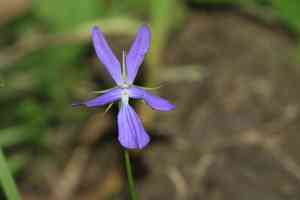
Horned violet (Viola cornuta)
Also known as: Tufted violet
Originating from northern Spain, the horned violet (Viola cornuta) is an evergreen perennial known for its distinctive long nectar spur. It flourishes in cooler temperatures and emits a delicate fragrance. For optimal growth, it requires moist, well-draining soil and thrives in areas with either full sun or partial shade, with a preference for morning light and protection from harsh afternoon rays.
In This Article
Attributes of Horned violet
Lifespan
Perennial, Annual, Biennial
Plant Type
Herb
Plant Height
20 cm to 25 cm
Spread
25 cm to 30 cm
Leaf Color
Green
Flower Size
2.5 cm to 4 cm
Flower Color
Purple White Yellow Blue Violet
Images of Horned violet
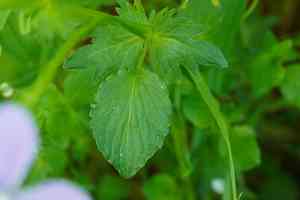
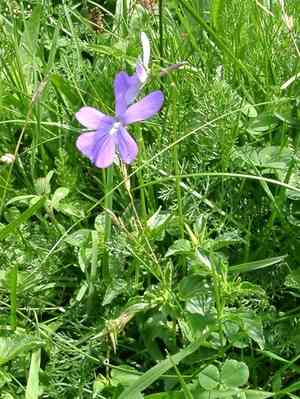
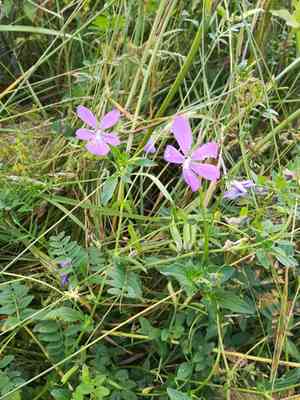
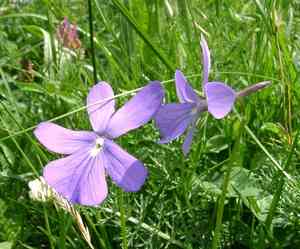
Quickly Identify Horned violet
1
Ground-hugging habit with creeping, ascending stems
2
Heart-shaped to ovate leaves, forming dense mats
3
Flowers with five petals, one downward-facing, creating unique symmetry
4
Fruit in a three-valved capsule, dispersed via myrmecochory
5
Evergreen leaves with visible veins and mild undulation along toothed edges
Scientific Classification of Horned violet
Phylum
Vascular plants
Class
Dicotyledons
Order
Nances, spurges, willows and allies
Family
Violet
Genus
Violets
Species
Horned violet
Planting and Growing of Horned violet
Care Difficulty
Easy
Watering Schedule
Every 4 days
Sunlight Requirements
Partial sun
Sunshine Duration
4-6 hours
Ideal Temperature
60-75℉
Soil Type
Potting Mix, Peat Mix
Soil pH
6.5-7.5
Fertilizer Type
Balanced
Pruning Season
Spring, Summer
Pruning Area
Branches, Leaves
Pruning Frequency
2 times a year
Repotting Season
Spring
Pot Type
Ceramic, Plastic
 How to Water Horned violet?
Viola cornuta enjoys moist soil but not soaking wet conditions. Water approximately until the top inch of soil is moist. This usually means adding around 250ml of water per session, but always ensure to check the soil beforehand.
What are the symptoms of an underwatered Horned violet?
›
What should I do if my Horned violet is not getting enough water?
›
What are the symptoms of an overwatered Horned violet?
›
How to save an overwatered Horned violet?
›
 What Are the Sunlight Requirements for Horned violet?
Partial sun to full sun is ideal, where it receives a few hours of direct light but mostly indirect throughout the day. This balance ensures a vibrant display of flowers and healthy foliage.
More About Sunlight Requirements Techniques→
How much light does it need?
›
How to achieve ideal lighting?
›
What are the benefits of ideal lighting?
›
 What Is the Ideal Temperature Range for Horned violet?
Viola cornuta, also known as horned violet, thrives best within an ideal temperature range of 60°F to 75°F. These conditions facilitate optimal plant growth and flowering. Maintaining this balance ensures that the plant's metabolic processes and enzyme activities occur efficiently, contributing to its vibrant display of blooms.
 What Soil is Best for Horned violet?
Viola cornuta thrives in well-drained soil conditions, which help prevent root rot and ensure that the plant's roots have access to both water and air. This soil structure allows efficient water drainage while maintaining moisture levels, allowing the plant to grow vigorously. Providing nutrient-rich soil is crucial for Viola cornuta as it supports continuous growth and vibrant flowering. Incorporating organic matter like compost into the soil will enhance its fertility, supplying the plant with essential nutrients for better health and pest resistance. Viola cornuta prefers soil that retains moisture without being waterlogged. Consistently moist soil is key to preventing stress in the plant while promoting lush foliage and an abundance of flowers, especially during the warmer growing months.
 How to Fertilize Horned violet?
For Viola cornuta, applying too much fertilizer can be detrimental, so it is advisable to use a balanced liquid fertilizer at one-quarter strength. Carefully follow the instructions on the fertilizer label to avoid over-fertilization.
 How to Prune Horned violet?
Begin by removing any dead, damaged, or diseased stems from your Viola cornuta. This clears the way for healthier growth and prevents the spread of disease. Inspect the plant closely and make decisive cuts. To encourage a more compact and bushy form, pinch back the tips of new growth regularly. Focus on the top few inches of shoots to stimulate lateral growth, leading to a fuller appearance with more blooms. Regularly deadhead spent flowers to direct the plant's energy towards producing new blossoms rather than seed development. Gently pinch or cut the faded flowers just above the nearest set of leaves.
More About Pruning Techniques→
 How to Propagate Horned violet plant?
1
Fill seed trays with a good quality seed-starting mix. Moisten the soil slightly before sowing the seeds, ensuring it is damp but not waterlogged. Spread the seeds evenly over the surface and lightly cover them with a thin layer of the mix.
2
Select healthy stems from the parent plant, ensuring they are disease-free. Use sharp scissors to cut 4 to 6-inch long sections below a leaf node. Remove any flowers or flower buds to divert energy toward root development.
3
Once the seedlings have developed their second set of true leaves, it's time to transplant them. Gently remove each seedling from the tray, take care not to damage the roots, and place them into individual pots filled with a potting mix.
 How to Repot Horned violet plant?
1
Viola cornuta, also known as horned violet, should be repotted when you notice its roots coming out of the drainage holes or it appears to struggle for nutrients, which is commonly indicated by wilting leaves or stunted growth. Repotting is ideally done in spring or autumn, avoiding the cold of winter and the extreme heat of summer.
2
Selecting the right pot for your Viola cornuta is crucial. Choose a pot that is about 2 inches larger in diameter than the current one to give the roots ample room to grow. Ensure the new pot has adequate drainage holes to prevent waterlogging, which can lead to root rot. A breathable material like terracotta is preferable as it helps in aeration and moisture regulation.
3
Opt for a well-draining soil mix, ideally a slightly acidic one, to maintain the health of your Viola cornuta. A mixture that includes peat, perlite, and loam can provide good aeration and nutrient retention, ensuring the roots have the right amount of moisture without becoming waterlogged.
Learn More About Horned violet Diseases
Anthracnose
Bacterial Leaf Spot
Bacterial Soft Rot
Crown Gall
Cyst Nematode
Damping-off
Downy Mildew
Drought Stress
Fusarium Wilt
Gray Mold
Leaf Spot
Mosaic
Nutrient Deficiency
Nutrient Toxicity
Powdery Mildew
Root Rot
Root-knot Nematode
Rusts
Sooty Mold
Spider Mites
Temperature Stress
Thrips Damage
White Mold



