The Horned violet Plant Advantage: Maximizing Home and Office Appeal and Wellness
1
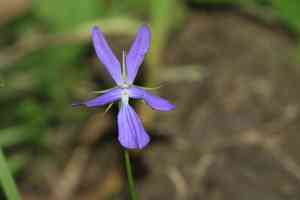
The horned violet, with its vivid and colorful flowers, makes a charming enhancement to any garden.
2
This particular plant is recognized for its prolonged flowering season, frequently extending from springtime into autumn.
3
Horned violets are capable of flourishing in diverse environments, positioning them as an adaptable option for those who garden.
Why Opt for Horned Violet in Your Garden?
Aesthetic Charm
Horned violet presents a captivating visual allure with its spectrum of vivid blossoms. The flowers appear in various hues, including purples, blues, yellows, and whites, enhancing the beauty of any garden setting. Whether as a border accent or a focal point, Horned violet will impress.
Extended Flowering Period
Unlike many plants with brief flowering cycles, Horned violet showcases blooms from early spring through late autumn. This prolonged period of colorful display ensures your garden remains vibrant and lively for a significant portion of the year.
Effortless Maintenance
Horned violet is relatively simple to care for, even for gardening novices. It flourishes in well-drained soil and prefers partial sun to partial shade, making it adaptable to diverse garden environments. Consistent watering and occasional fertilization are typically all that's required to maintain its health.
What Are the Functional Advantages of Cultivating Horned Violet?
Adaptable Planting Choices
A key characteristic of Horned violet is its adaptability. It can be cultivated in flowerbeds, borders, containers, or even as ground cover. This flexibility makes it an excellent selection for various gardening endeavors, from compact urban plots to expansive rural landscapes.
Minimal Upkeep
Horned violet demands little maintenance, making it ideal for busy gardeners or those who prefer a low-effort garden. Beyond regular watering and removing spent flowers to promote new blooms, this plant requires minimal attention.
How to Incorporate Horned Violet into Your Garden Design?
Companion Planting
Horned violet pairs effectively with other plants such as dwarf tulips and daffodils. This combination not only boosts visual appeal but also enriches your garden's biodiversity. Consider planting Horned violet alongside these complementary species to maximize its impact.
Edging and Groundcover Use
Horned violet can serve as an excellent edging plant, delineating garden paths and borders with its bright flowers. Furthermore, it can be utilized as ground cover to fill in empty spaces, giving your garden a more unified and lush appearance.
Caring for Horned Violet: Advice and Techniques
Soil and Hydration Requirements
Horned violet thrives best in well-drained, nutrient-rich soil. Consistent watering is crucial, especially during dry spells, to keep the soil moist but not waterlogged. Applying mulch around the plant's base can help retain moisture and regulate soil temperature.
Light and Nutrient Needs
Horned violet prefers partial sun to partial shade, needing at least a few hours of sunlight daily for optimal growth. Fertilizing the plant with a balanced feed every few weeks during the flowering season will encourage robust growth and vivid blooms.
Common Challenges and Remedies for Horned Violet
Pests and Diseases
Horned violet is generally resilient to most pests and diseases. However, aphids and snails can occasionally become an issue. Regular inspections and the application of organic pest control methods can help manage these problems effectively.
Addressing Stunted Growth
If you observe poor growth or fewer flowers, evaluate the soil quality and sunlight exposure. Ensuring proper drainage and adequate light typically resolves most growth-related concerns. Additionally, periodic soil analyses can help identify and correct any nutrient deficiencies.



