How to Prune Sandankwa viburnum?
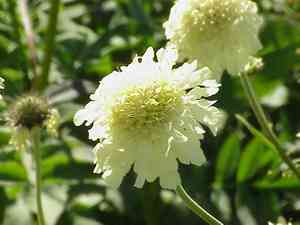
The sandankwa viburnum, a favored evergreen shrub known for its thick leaves, thrives with judicious trimming to preserve its form and stimulate fresh development. The most suitable periods for pruning are from late spring to early summer, following its blooming phase. Reducing older, excessively long branches and snipping back branch ends to a robust bud improves air movement and the plant's overall health. Consistent elimination of deceased or compromised wood is crucial. Pruning fosters abundant, vibrant foliage and manages its dimensions for visual appeal in the landscape, guaranteeing a refined garden presentation.
What Are the Benefits of Pruning Sandankwa Viburnum?
What Are the Benefits of Pruning Sandankwa Viburnum?
Trimming sandankwa viburnum is crucial for promoting bloom production and deterring pests and illnesses. Deliberate cuts help maintain its compact shape, enhancing the plant's overall vitality and visual appeal. This practice ensures sandankwa viburnum remains robust and attractive in the landscape.
What Is the Best Time for Pruning Sandankwa Viburnum?
What Is the Best Time for Pruning Sandankwa Viburnum?
The ideal periods for pruning sandankwa viburnum are late spring and early summer. In late spring, pruning coincides with the end of sandankwa viburnum's primary growth spurt, typically after the last frost when the plant is past the risk of cold damage and has a full growing season ahead to recover and produce new growth. Early summer pruning is also effective as it allows the gardener to shape the plant after the initial growth flush and to remove any undesirable or overgrown branches before the plant redirects energy into establishing new growth for the subsequent season. Trimming during these seasons minimizes stress to sandankwa viburnum, facilitates quick healing of pruning wounds, and preserves the plant's health by not interfering with dormant periods or peak flowering times. These timing guidelines maintain the aesthetic appearance of sandankwa viburnum and maximize its chances for vigorous growth and flowering in the following season.
What Tools Do I Need to Prune Sandankwa Viburnum?
Hand Pruners
Perfect for cutting small branches and shaping sandankwa viburnum, as their precise cuts are less likely to harm the plant's smaller stems.
Loppers
Recommended for trimming thicker branches that hand pruners cannot manage, providing better reach and leverage when pruning sandankwa viburnum.
Pruning Saw
Essential for removing any mature or woody branches of sandankwa viburnum that are too thick for loppers, ensuring a clean cut without damaging the plant.
Hedge Shears
Useful for shaping sandankwa viburnum when a more formal hedge appearance is desired, allowing for even cutting of multiple small stems simultaneously.
Pruning Gloves
Protects the gardenerâs hands from thorns and rough branches while pruning sandankwa viburnum, enhancing safety during the task.
How to Prune Sandankwa Viburnum
Cleaning Tools
Before beginning, ensure all pruning tools are clean and sharp to prevent the spread of disease and make clean cuts which will heal faster on sandankwa viburnum.
Removal Diseased Parts
Identify and remove any diseased leaves and branches from sandankwa viburnum first, cutting back to healthy tissue to stop the spread of disease.
Dead Branches
Cut away dead branches from sandankwa viburnum, which can be identified by their dry, brittle texture and lack of green inside when lightly scraped, to maintain the health and shape of the plant.
Withered Parts
Prune any withered leaves and flowers from sandankwa viburnum, cleanly snipping them at their base to encourage new growth and improve the plant's appearance.
Thinning
Thin out excessive growth branches on sandankwa viburnum to increase air circulation and light penetration to the center of the plant, which will promote healthy growth and flowering.
Common Pruning Mistakes with Sandankwa Viburnum
Overpruning
Removing too much foliage at once can stress sandankwa viburnum, leading to poor growth or reduced flowering. It's important not to exceed removing more than one-third of the plant in a single pruning session.
Underestimating Size
Sandankwa viburnum can grow larger than expected. Gardeners sometimes fail to account for its mature size, leading to excessive pruning to keep it smaller than its natural growth habit allows.
Improper Cuts
Making cuts that are too flush with the main branches can lead to wounds that are slow to heal, making sandankwa viburnum susceptible to disease. Conversely, leaving too long of a stub can also prevent proper healing.
Disregarding Shape
Sandankwa viburnum naturally forms a dense, rounded shape. Pruning without considering its natural form can result in a less aesthetically pleasing and healthy plant.
Neglecting Tools
Using dull or dirty pruning tools can harm sandankwa viburnum by creating jagged cuts that are prone to infection and by spreading diseases from other plants.
Common Pruning Tips for Sandankwa Viburnum
Selective Thinning
For a healthier sandankwa viburnum, remove older branches to allow light and air to reach the inner portions of the plant. The goal is to thin rather than to shear.
Maintaining Form
Prune sandankwa viburnum following its natural shape. Make strategic cuts to preserve its rounded appearance, and avoid over-pruning to maintain its structural integrity.
Strategic Timing
Although the instruction asks to exclude the best season, it's crucial to prune sandankwa viburnum at appropriate times during its growth cycle to avoid disrupting its development.
Healing Cuts
When trimming sandankwa viburnum, make sure cuts are angled and clean, allowing water to run off and promoting faster healing.
Tool Care
To maintain sandankwa viburnum's health, always use sharp and sanitized pruning tools. This ensures clean cuts and reduces the risk of spreading diseases.



