How to Propagate Sandankwa viburnum?
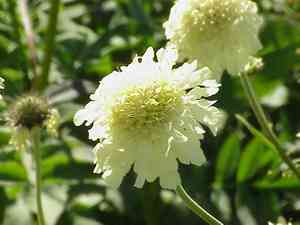
Viburnum suspensum, a versatile evergreen shrub, is recognized for its thick foliage and capacity to thrive in diverse garden environments. Effective propagation is accomplished using semi-hardwood cuttings, approximately 4-6 inches in length, each possessing multiple leaves. Make the cut directly beneath a leaf node, then strip away the lower leaves to expose the nodes where roots will emerge. A rooting compound can be applied to the severed end to stimulate root development prior to placement in a well-draining growing medium. Maintaining steady humidity and warmth is vital for successful rooting, while avoiding excessive watering.
What Is the Best Time To Propagate Sandankwa Viburnum?
Propagation Type
Cutting
Propagation Season
Spring,Summer
What Tools Are Used in Sandankwa Viburnum Propagation?
Sharp Pruning Shears
Pruning shears are vital for making clean cuts on stems when propagating sandankwa viburnum via cuttings. A sharp blade prevents tissue damage, improving rooting success. Sterilize shears before use to prevent disease spread.
Rooting Hormone
Rooting hormone aids in stimulating root growth from sandankwa viburnum cuttings. This is especially beneficial as it boosts the likelihood of successful establishment by enhancing root development, crucial for water and nutrient uptake in the new setting.
Sterile Potting Mix
Using a sterile potting mix is essential when planting sandankwa viburnum cuttings to prevent introducing pathogens that could harm them before full rooting and establishment. A well-draining mix also supports optimal moisture, vital for root growth without causing rot.
Humidity Dome or Plastic Bags
A humidity dome or clear plastic bags can be placed over cuttings to maintain a consistently high humidity, which benefits sandankwa viburnum cuttings by preventing excessive moisture loss through leaves. This helps maintain water balance in cuttings, crucial for their survival and rooting.
How to Propagate Sandankwa Viburnum?
Propagation Type
Moderately Difficult
How to Care for Your Newly Propagated Sandankwa Viburnum?
How to Care for Your Newly Propagated Sandankwa Viburnum?
Once roots form, gradually acclimate sandankwa viburnum to drier conditions by opening the plastic cover over a week. Transplant into individual pots when plants are robust. Sandankwa viburnum prefer partial to full sun and well-drained soil. Water consistently but avoid soggy soil. An annual application of balanced, slow-release fertilizer will encourage lush growth and blooms.
Common Mistakes to Avoid When Propagating Sandankwa Viburnum
Overwatering cuttings
Excessive watering can cause root rot and fungal issues, hindering root development and potentially killing the sandankwa viburnum cutting.
Ignoring humidity requirements
Failure to maintain a humid environment for sandankwa viburnum cuttings can lead to desiccation and impede rooting.
Using dull or dirty cutting tools
Unclean or blunt tools can damage sandankwa viburnum cuttings and introduce pathogens, resulting in poor growth or disease.
Planting cuttings too deep
Inserting sandankwa viburnum cuttings too far into the soil can reduce oxygen availability, which is vital for root initiation and growth.
Neglecting aftercare
Once sandankwa viburnum cuttings are planted, a lack of consistent care can lead to poor establishment and growth.
Tips For Propagating Sandankwa Viburnum
Appropriate cutting selection
Choose healthy, semi-ripe stems of sandankwa viburnum as they typically possess the ideal balance of growth potential and structural integrity.
Sterile conditions
Utilize sterilized cutting tools and clean pots to minimize the risk of disease transmission to sandankwa viburnum cuttings.
Rooting hormone application
Dip the base of sandankwa viburnum cuttings in a rooting hormone to encourage faster and more dependable root development.
Proper planting depth
Plant sandankwa viburnum cuttings at an appropriate depth, ensuring rooting nodes contact the soil while most of the cutting remains above ground for gas exchange.
Humidity control
Cover sandankwa viburnum cuttings with a plastic bag or place them in a propagator to retain moisture and create a humid environment conducive to rooting.
Moderate watering
Water sandankwa viburnum cuttings just enough to keep the soil moist but not waterlogged to promote healthy root growth without the risk of rot.



