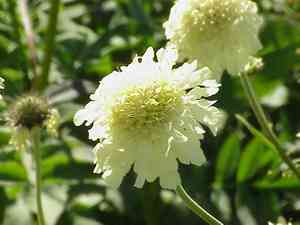
Sandankwa viburnum(Viburnum suspensum)

Sandankwa viburnum (Viburnum suspensum)

Also known as: Sandankwa Viburnum

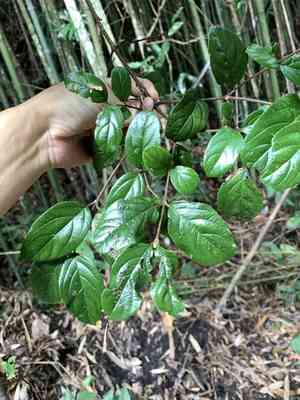
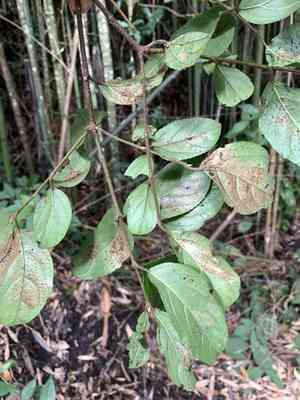
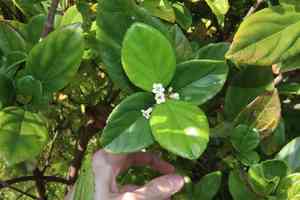
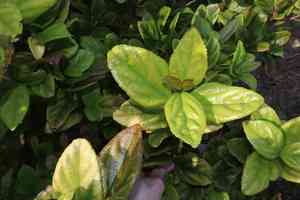
Viburnum suspensum, known as Sandankwa viburnum, is a hardy, evergreen shrub indigenous to Japan. It typically reaches up to 12 feet in height. The shrub features dense, dark green foliage with oval, serrated leaves that measure approximately 9 cm long and 5 cm wide, arranged oppositely on rough, dark brown stems. In late winter to early spring, it produces clusters of small, fragrant white to pale pink flowers, which may also appear sporadically during summer. These blossoms give way to red berries that mature to black in the fall, attracting various wildlife. Sandankwa viburnum thrives in full sun to partial shade and is often used for hedges, borders, or privacy screens due to its robust growth and dense leaf coverage.

Attributes of Sandankwa viburnum

Lifespan
Perennial
Plant Type
Shrub
Plant Height
1.2 m to 1.8 m
Spread
1.8 m to 3 m
Leaf Color
Green
Flower Size
2.5 cm
Flower Color
White Pink

ForwardPlant - Identify plants with a snap

Identify and diagnose plants, get toxicity alerts, and explore safety guides for all types of fungi.

Try for Free

Images of Sandankwa viburnum

Sandankwa viburnum(Viburnum suspensum)

Quickly Identify Sandankwa viburnum

1
Oblong, glossy leaves with prominent veining up to 4 inches (10 cm) long.
2
Clusters of fragrant, pinkish-white tubular flowers, 2-4 inches (5-10 cm) across.
3
Small, spherical berries starting red and turning black, not persisting after ripening.
4
Dark brown, rough stems, 0.4-1 inch (1-2.5 cm) thick, with dense branching.
5
Coarse dark green leaves with toothed margins on upper two-thirds, wedge-shaped base.

Scientific Classification of Sandankwa viburnum

Phylum
Vascular plants
Class
Dicotyledons
Order
Dipsacales
Family
Moschatel
Genus
Viburnum
Species
Sandankwa viburnum

Planting and Growing of Sandankwa viburnum

Care Difficulty
Easy
Watering Schedule
Every 4 days
Sunlight Requirements
Partial sun
Sunshine Duration
4-6 hours
Ideal Temperature
60-75℉
Soil Type
Potting Mix, Peat Mix
Soil pH
6.5-7.5
Fertilizer Type
Balanced
Pruning Season
Spring, Summer
Pruning Area
Branches, Leaves
Pruning Frequency
2 times a year
Repotting Season
Spring
Pot Type
Plastic, Ceramic

water icon How to Water Sandankwa viburnum?

For Viburnum suspensum, the watering amount should be sufficient to moisten the entire root ball but not overly soak it. This generally means about 500 ml of water per session, although this could vary based on the plant's environment. Ensure the water reaches the lower roots by taking into consideration the soil type and drainage quality.
What are the symptoms of an underwatered Sandankwa viburnum? ›
What should I do if my Sandankwa viburnum is not getting enough water? ›
What are the symptoms of an overwatered Sandankwa viburnum? ›
How to save an overwatered Sandankwa viburnum? ›

sunlight icon What Are the Sunlight Requirements for Sandankwa viburnum?

Sunlight Requirements: Partial sun, Full shade
Duration of light: 4 to 6 hours daily
The ideal light range for Viburnum suspensum is partial sun to full shade, ensuring consistent growth and flowering. This lighting range reduces the likelihood of leaf burn while supporting healthy foliage and blooms.
What is the best location for planting Viburnum suspensum? ›
How can I improve light conditions for Viburnum suspensum? ›
What are the benefits of optimal lighting for Viburnum suspensum? ›
More About Sunlight Requirements Techniques→

temperature icon What Is the Ideal Temperature Range for Sandankwa viburnum?

Ideal Temperature: 60 ~ 75℉
The ideal temperature range for Viburnum suspensum is between 60°F and 75°F. This range supports optimal growth and flowering, ensuring the plant remains healthy and vibrant. In this temperature window, the metabolic processes operate efficiently, supporting strong root development and robust leaf production.

soil icon What Soil is Best for Sandankwa viburnum?

Soil type: Loam, Sandy loam
Soil PH: 6.5 ~ 7.5
Viburnum suspensum thrives in well-draining soil, which prevents water-logging that can lead to root rot. Good drainage is crucial for maintaining healthy roots and supporting the overall growth of the plant. For optimal growth, this plant requires soil that is rich in organic matter. Nutrient-rich soil provides the necessary elements that support vibrant foliage and robust flowering, ensuring the plant's vigor. Keeping the soil moist yet not waterlogged is essential. Proper moisture levels allow the roots to absorb nutrients efficiently while preventing the stress that comes with drought or excessive water.

fertilize icon How to Fertilize Sandankwa viburnum?

Fertilizer type: Balanced
For Viburnum suspensum, always follow the manufacturer’s instructions, especially when using concentrated liquid fertilizers. A general guideline is to use a half-strength dilution of liquid fertilizer once every two weeks. For slow-release fertilizers, aim for a few tablespoons per plant every four months, ensuring it is spread evenly over the root zone.

prune icon How to Prune Sandankwa viburnum?

Pruning Time: Spring, Summer
Begin by removing any dead or diseased branches to prevent the spread of pests and diseases. Next, cut back overgrown branches to a pair of healthy buds. This keeps the plant compact and encourages more vigorous growth. Make cuts at a 45-degree angle to ensure water runoff and minimize the risk of rot. Always use sharp, clean pruning shears to make clean cuts and avoid damaging the plant. Viburnum suspensum can be shaped into a hedge or left as a free-form shrub. For a hedge, maintain a uniform shape by trimming the outer branches lightly. Thinning involves selectively removing older branches to increase air circulation and light penetration. This not only prevents overcrowding but also promotes more prolific flowering, as it allows younger, more vibrant shoots to thrive. More About Pruning Techniques→

propagate icon How to Propagate Sandankwa viburnum plant?

Propagate Time: Spring, Early summer
1
Choose a healthy Viburnum suspensum plant with vigorous growth to ensure strong and viable cuttings. Avoid plants with signs of disease or stress.
2
Using sterilized pruning shears, cut 4-6 inch long shoot tips from the parent plant. Ensure each cutting has at least two sets of leaves.
3
Dip the cut end in rooting hormone and plant the cutting in a well-draining soil mix. Cover with a plastic bag to maintain humidity, but avoid direct sunlight.
More About Propagating Techniques→

repot icon How to Repot Sandankwa viburnum plant?

Repotting frequency: Every 2-3 years
1
Look for signs like roots emerging from drainage holes, slowed growth, and soil compactness. These indicate your Viburnum suspensum has outgrown its current pot. The best time to repot is during its active growth in spring or summer.
2
Select a pot that's 1-2 inches larger in diameter than the current one. Ensure it has adequate drainage holes to prevent root rot. A slightly larger pot gives the roots enough space to expand, promoting healthy growth and vigor.
3
Use a well-draining potting mix for Viburnum suspensum. Ideally, this mix should include a combination of peat, pine bark, and perlite. This ensures optimal moisture retention while preventing waterlogging and allowing for adequate airflow to the roots.

ForwardPlant - Identify plants with a snap

Find the best spots for them to optimize their health, simply using your phone.

Try for Free