How to Prune Grouse whortleberry?
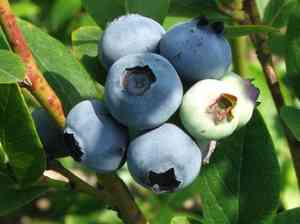
This compact, perennial shrub, featuring tiny, campanulate blossoms and palatable fruits, thrives with light trimming to preserve its inherent form and foster well-being. Essential pruning methods for grouse whortleberry include excising lifeless or ailing branches and reducing congested stems to improve air movement. The most suitable time for pruning is in late winter or early spring, while the plant is dormant but prior to the emergence of fresh shoots. Trimming grouse whortleberry can encourage new development and fruit yield, guaranteeing robustness and extended life.
Advantages of Trimming Grouse Whortleberry
Advantages of Trimming Grouse Whortleberry
Trimming grouse whortleberry encourages robust development and preserves its desired form. This ensures a strong framework, optimal health, and an attractive look, contributing to the plant's vigor and longevity.
Optimal Time for Trimming Grouse Whortleberry
Optimal Time for Trimming Grouse Whortleberry
Trimming grouse whortleberry in late winter or early spring is beneficial as the plant remains dormant then. Pruning before the growth season begins allows grouse whortleberry to recuperate and channel energy into new growth as temperatures rise. This timing helps avoid stressing the plant during active spring and summer growth. Furthermore, removing dead or damaged branches at this stage helps prevent diseases and pests from affecting grouse whortleberry as its growth cycle starts. Since grouse whortleberry flowers and fruits on new shoots, pruning in late winter or early spring will not hinder berry development, which typically occurs later. These seasons align with the plant's natural dormancy, leading to faster healing and more vigorous growth in the subsequent season.
Tools Required for Trimming Grouse Whortleberry
Hand Pruners
For precise cuts on grouse whortleberry's slender stems and delicate branches, hand pruners offer the necessary control to prevent damage. Their small blades are perfect for the fine trimming grouse whortleberry may need.
Pruning Scissors
These scissors provide accuracy when handling grouse whortleberry's small foliage and fruit. They are designed for snipping soft plant material and are suitable for the gentle care grouse whortleberry requires.
Garden Shears
For shaping grouse whortleberry and managing its growth habit, garden shears can be used to trim and shape the majority of the plant without causing undue stress to its structure.
Gloves
Although grouse whortleberry typically lacks thorns, it's important to safeguard your hands with gloves from potential irritation or injury during the trimming process.
How to Trim Grouse Whortleberry
Clean Tools
Sanitize pruning shears or scissors before starting to prevent disease spread to grouse whortleberry. Wipe blades with a solution of one part bleach to nine parts water or rubbing alcohol.
Remove Diseased Leaves
Carefully cut off any diseased leaves from grouse whortleberry, ensuring only affected foliage is removed and healthy parts are avoided. Dispose of these leaves properly to prevent disease spread.
Prune Withered Leaves
Trim away withered leaves to enhance air circulation and light penetration throughout grouse whortleberry. Snip leaves at their base where they meet the stem or branch.
Cut Dead Branches
Identify and cut back dead branches on grouse whortleberry, which will improve appearance and redirect energy to healthier growth. Make cuts at a 45-degree angle just above a leaf node or branch junction.
Eliminate Diseased Branches
Locate and remove any diseased branches from grouse whortleberry to prevent infection spread. Ensure cuts are made well into healthy tissue to fully remove the disease.
Common Trimming Errors with Grouse Whortleberry
Excessive Trimming
Removing too much foliage at once can stress grouse whortleberry, limiting its ability to photosynthesize and recover.
Incorrect Cut Placements
Cutting too far from a bud or node, or too close, can harm grouse whortleberry's growth points or leave stubs prone to disease.
Using Dull Tools
Dull pruning shears can create jagged cuts that damage grouse whortleberry and make it more susceptible to infections.
Trimming Without Purpose
Random or unnecessary trimming may lead to a weakened structure and vitality of grouse whortleberry.
Ignoring Diseased Material
Failing to remove diseased or damaged branches can allow problems to spread throughout grouse whortleberry.
Disregarding Plant Shape
Trimming without considering the natural shape of grouse whortleberry can result in an unattractive appearance and poor growth patterns.
General Trimming Advice for Grouse Whortleberry
Sharp Clean Tools
Always use sharp, clean pruning shears to make clean cuts that grouse whortleberry can heal from quickly and without excessive damage.
Selective Trimming
Trim selectively, focusing on removing only dead, damaged, or crossing stems to maintain the health and shape of grouse whortleberry.
Thin Center
Gently thin the center of grouse whortleberry to improve air circulation and light penetration, which can reduce disease risk and support even growth.
Cut At Angle
Make cuts at a 45-degree angle just above an outward-facing bud, which helps direct new growth away from the center of grouse whortleberry.
Follow Natural Shape
When trimming, follow the natural habit of grouse whortleberry to support its inherent growth pattern and aesthetic appeal.
Sterilize Equipment
Between cuts, especially when moving from a diseased area to a healthy one, sterilize your tools to prevent spreading pathogens within grouse whortleberry.
Gradual Trimming
Adopt a gradual approach by trimming over several seasons if significant reduction is needed, allowing grouse whortleberry to recover and adapt.



