Enhancing Your Garden Design with the Grouse whortleberry Plant: A Landscaping Guide
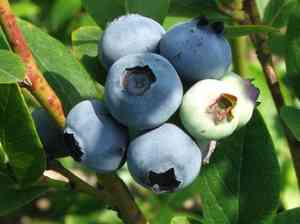
1
Grouse whortleberry enhances aesthetics and adapts to diverse environments.
2
It draws beneficial fauna, such as pollinators and avian species.
3
Caring for Grouse whortleberry is simple through consistent trimming and periodic maintenance.
Why Select Grouse Whortleberry for Your Garden?
Aesthetic Appeal: The Beauty of Grouse Whortleberry
When considering garden additions, Grouse whortleberry stands out with its distinct visual charm. This plant yields delicate, colorful berries and boasts vibrant foliage, infusing your landscape with a burst of color throughout the growing season. Its low-growing, bushy habit makes it perfect for ground cover, adding texture and interest to your garden design. Whether used in large areas or small sections, Grouse whortleberry can create a visually pleasing contrast with other plants.
Resilience: How Grouse Whortleberry Flourishes in Diverse Environments
One of the most compelling reasons to choose Grouse whortleberry for your landscaping is its adaptability. Grouse whortleberry is renowned for its hardiness, capable of thriving across a broad spectrum of climates, from cool, mountainous regions to more temperate zones. Its ability to prosper in varied conditions means less concern about the plant's survival and more enjoyment of its beauty. This makes Grouse whortleberry a versatile option for gardeners seeking low-maintenance yet attractive plants.
Wildlife Benefits: Attracting Pollinators and Birds
Incorporating Grouse whortleberry into your garden is not only visually appealing but also ecologically advantageous. This plant draws in pollinators like bees and butterflies, which are vital for your garden ecosystem's health. Furthermore, the berries produced by Grouse whortleberry are a favorite among birds, transforming your garden into a sanctuary for local wildlife. Integrating Grouse whortleberry into your landscape design supports biodiversity and enhances the natural beauty of your outdoor space.
Design Concepts Utilizing Grouse Whortleberry
Borders and Edging: Defining Your Space with Grouse Whortleberry
Employing Grouse whortleberry as a border or edge in your garden can beautifully delineate areas while maintaining a natural aesthetic. Its dense, low-growing nature makes it ideal for forming a neat, yet soft boundary around garden beds, pathways, and lawns. This can help direct movement through your garden and provide a structured yet organic feel. Additionally, the seasonal color changes of Grouse whortleberry add dynamic interest throughout the year.
Feature Plants: Making Grouse Whortleberry a Central Element
If you aim to create a focal point in your garden, consider planting Grouse whortleberry in a prominent location. Its visually striking foliage and berries can capture attention and become the centerpiece of your landscape design. Planting Grouse whortleberry in large groupings or integrating it into mixed borders with various plant heights can amplify its impact. This not only generates visual interest but also highlights Grouse whortleberry's unique attributes.
Understory Layering: Companion Planting with Grouse Whortleberry
Companion planting with Grouse whortleberry can boost your garden's diversity and vitality. As an understory plant, Grouse whortleberry flourishes beneath taller trees and shrubs, making it an excellent choice for layered planting schemes. By interplanting Grouse whortleberry with other shade-tolerant species, you can cultivate a lush, multi-dimensional garden space. This approach not only optimizes your use of space but also fosters a healthy, resilient ecosystem.
Caring for Grouse Whortleberry in Your Landscape
Seasonal Advice: Best Practices for Year-Round Beauty
Maintaining Grouse whortleberry is relatively simple, making it a favorite among busy gardeners. Throughout the seasons, a few key practices ensure your Grouse whortleberry remains healthy and vibrant. In spring, a light layer of mulch can help retain soil moisture and moderate temperature fluctuations. During summer, water the plant regularly, especially during dry periods. Fall is the time for light pruning to remove any dead or damaged branches, ensuring the plant enters winter in good condition. Lastly, protecting Grouse whortleberry from heavy frost with a layer of mulch or a frost blanket can help it thrive year after year.
Pruning and Trimming: Keeping Grouse Whortleberry Healthy and Appealing
Proper pruning and trimming are crucial for maintaining the health and appearance of Grouse whortleberry. Light pruning can help preserve its shape and encourage new growth. This should be done in early spring before new buds begin to form. Regularly removing dead or diseased branches also prevents the spread of pests and fungi, ensuring your Grouse whortleberry remains healthy. Over time, pruning promotes bushier growth, which enhances the plant's visual appeal in your landscape.
Integrating Grouse Whortleberry with Other Landscape Elements
Color Coordination: Complementing Grouse Whortleberry with Other Plants
To create a cohesive and visually striking garden, it's important to coordinate the colors of your plants. Grouse whortleberry's colorful berries and lush green foliage can be complemented by selecting plants with contrasting or harmonizing blooms and leaves. For instance, pairing Grouse whortleberry with plants that have bright flowers, such as red or yellow perennials, can create a stunning visual contrast. Additionally, foliage plants with different textures and shades of green or purple can enhance the beauty of Grouse whortleberry and create a balanced and harmonious look.
Structural Harmony: Balancing Hardscape with Grouse Whortleberry
Integrating Grouse whortleberry with hardscape elements, such as stone paths, wooden fences, or garden sculptures, can add structural harmony to your landscape. Its soft foliage and colorful berries provide a natural contrast to the rigid lines of hardscape features. Placing Grouse whortleberry along the edges of pathways or around seating areas can soften the transition between built and natural elements, creating a welcoming and cohesive garden space. This balance between soft and hard elements is key to creating a well-designed and inviting landscape.



