How to Propagate Grouse whortleberry?
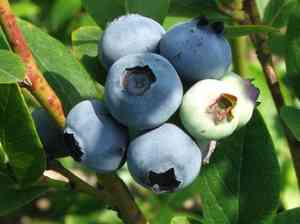
The grouse whortleberry, a diminutive perennial bush, flourishes in the acidic, well-draining substrates typical of its indigenous environment. To achieve effective propagation, gather mature berries and remove the seeds. Following their cleansing, disperse the seeds onto a damp seed-starting medium, lightly dusting them with substrate. Steady hydration and perseverance are vital, given the grouse whortleberry's protracted germination period. When the young plants produce their first true leaves and attain adequate dimensions, they can be gently moved into separate containers and progressively accustomed to external elements prior to their ultimate placement.
What Is the Best Time To Propagate Grouse Whortleberry?
Propagation Type
Cutting
Propagation Season
Autumn,Winter
What Tools Are Used in Grouse Whortleberry Propagation?
Sharpened Pruning Shears
These are vital for obtaining healthy, precise cuttings from grouse whortleberry. Sharp blades ensure clean cuts, minimizing harm to parent plants and boosting rooting success in cuttings. Clean cuts help prevent disease and encourage faster healing.
Rooting Hormone
This chemical aids in stimulating root growth from grouse whortleberry cuttings. Dipping the cut end into rooting hormone significantly improves rooting success, promoting quicker and stronger root development.
Sterile Potting Medium
A well-draining, sterile potting mix is essential for grouse whortleberry rooting. This medium offers necessary support and aeration, reducing the risk of fungal or bacterial infections common with soil. Sterility ensures delicate new roots are not harmed by pathogens.
Humidity Dome or Plastic Bag
Maintaining high humidity around grouse whortleberry cuttings is crucial for survival and root development. A humidity dome or clear plastic bag creates a mini-greenhouse effect, retaining moisture and warmth, thus promoting faster rooting and growth.
How to Propagate Grouse Whortleberry?
Propagation Type
Moderately Difficult
How to Care for Your Newly Propagated Grouse Whortleberry?
How to Care for Your Newly Propagated Grouse Whortleberry?
Post-transplant, continue caring for grouse whortleberry by maintaining moist, well-draining soil. Place plants in partial to full shade, as grouse whortleberry prefers cooler, shaded settings. Regularly check for pests and diseases, especially during active growth, and apply mulch around the base to retain moisture and suppress weeds. Gradually adapting to more direct sunlight and less frequent watering will strengthen grouse whortleberry, preparing them for their permanent environment.
Common Mistakes to Avoid When Propagating Grouse Whortleberry
Overwatering
Watering grouse whortleberry too often can cause root rot and fungal infections. Excessive soil moisture prevents adequate air circulation around roots, which is vital for their health.
Deep Planting
Planting grouse whortleberry cuttings or seedlings too deeply can hinder establishment and growth. Incorrect depth can prevent shoots from getting enough light and air, stunting development.
Neglecting Humidity Requirements
Grouse whortleberry needs a specific humidity level to thrive, especially during rooting. Ignoring humidity needs can cause cuttings to dry out and fail to root successfully.
Tips For Propagating Grouse Whortleberry
Proper Soil Preparation
Using a well-draining, acidic soil mix supports grouse whortleberry health by mimicking its natural habitat. This soil type promotes good root development and prevents waterlogging.
Moderate Watering
Maintain consistent, moderate soil moisture levels when propagating grouse whortleberry. Ensure the soil is moist but not waterlogged to support rooting without risking fungal diseases.
Use of Rooting Hormones
Applying rooting hormones to grouse whortleberry cuttings can significantly boost the likelihood of successful root development. This promotes healthier and more vigorous growth during propagation.
Indirect Sunlight Exposure
Providing indirect light helps grouse whortleberry cuttings focus energy on root development rather than coping with direct sun stress. This also keeps the temperature stable, favorable for growth.



