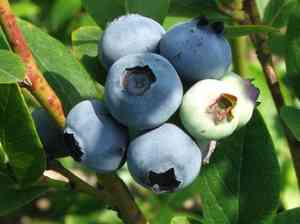
Grouse whortleberry (Vaccinium scoparium)
Also known as: Grouseberry, Whortleberry, Grouse Whortleberry
Grouse whortleberry (Vaccinium scoparium) typically thrives at elevations ranging from 700 to 3,000 meters in the mountainous regions of the western United States and Canada. It forms low bushes beneath forest canopies. Although the berries are small and challenging to collect in large amounts, they were historically gathered by indigenous tribes.
In This Article
Attributes of Grouse whortleberry
Lifespan
Perennial
Plant Type
Shrub
Plant Height
15 cm to 51 cm
Spread
Up to 2 feet (60 cm)
Leaf Color
Green
Flower Size
2.5 cm
Flower Color
Pink
Images of Grouse whortleberry
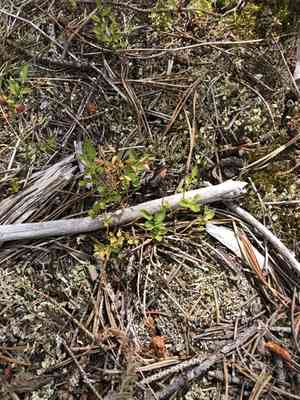
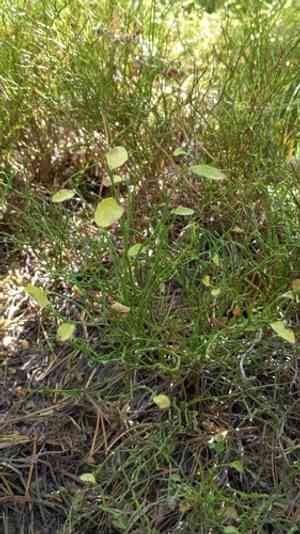
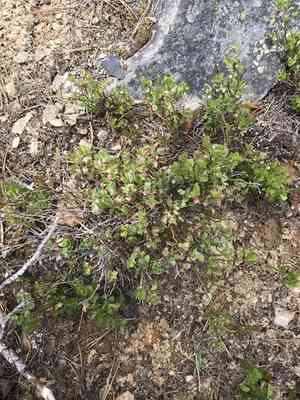
Quickly Identify Grouse whortleberry
1
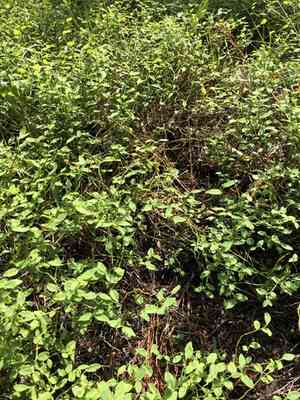
This plant can be identified by its low, mat-forming growth habit, small oval leaves, and bright red berries. It often grows in dense clusters on the forest floor.
Scientific Classification of Grouse whortleberry
Phylum
Vascular plants
Class
Dicotyledons
Order
Ericales
Family
Heath
Genus
Blueberries
Species
Grouse whortleberry
Planting and Growing of Grouse whortleberry
Care Difficulty
Easy
Watering Schedule
Every 4 days
Sunlight Requirements
Partial sun
Sunshine Duration
4-8 hours
Ideal Temperature
50-70℉
Soil Type
Potting Mix, Peat Mix
Soil pH
4.5-6
Fertilizer Type
Balanced
Pruning Season
Spring, Summer
Pruning Area
Branches, Leaves
Pruning Frequency
2 times a year
Repotting Season
Spring
Pot Type
Plastic, Ceramic
 How to Water Grouse whortleberry?
For Vaccinium scoparium, you want to ensure the soil is consistently moist but not waterlogged. Each time you water, use about 150 ml per watering. The aim is to mimic the plant’s natural environment, which has moderate moisture levels. Make sure the water reaches down into the root system without leaving the soil overly saturated.
What are the symptoms of an underwatered Grouse whortleberry?
›
What should I do if my Grouse whortleberry is not getting enough water?
›
What are the symptoms of an overwatered Grouse whortleberry?
›
How to save an overwatered Grouse whortleberry?
›
 What Are the Sunlight Requirements for Grouse whortleberry?
Vaccinium scoparium prefers partial sun or full shade, granting it access to 4-6 hours of sunlight daily. Such conditions promote balanced growth and healthy berry production.
More About Sunlight Requirements Techniques→
What is the recommended light condition for Vaccinium scoparium?
›
How to achieve the ideal light conditions for Vaccinium scoparium?
›
What benefits does ideal light provide to Vaccinium scoparium?
›
 What Is the Ideal Temperature Range for Grouse whortleberry?
Vaccinium scoparium thrives best within a temperature range of 50 to 70 degrees Fahrenheit. This range facilitates optimal photosynthesis and growth, ensuring the plant remains healthy and productive. Maintaining temperatures within this range allows the plant to avoid stress and make the most effective use of nutrients and light.
 What Soil is Best for Grouse whortleberry?
Vaccinium scoparium, or grouse whortleberry, thrives best in sandy soils which provide excellent drainage. This trait prevents the roots from rotting and allows the plant to access necessary nutrients efficiently. This species prefers acidic soils, with pH levels ideally between 4.5 and 6.0. Acidic conditions help solubilize essential nutrients like iron and magnesium, which are crucial for the plant's growth and vibrant coloration. The incorporation of organic matter, such as compost or decaying leaves, into the soil is essential for Vaccinium scoparium as it enriches the nutrient content and helps maintain acidity levels.
 How to Fertilize Grouse whortleberry?
When fertilizing Vaccinium scoparium, it's important to use a diluted balanced liquid fertilizer. For liquid fertilizers, 1 teaspoon per gallon of water is typically sufficient. Apply evenly around the base to ensure nutrients seep into the root zone. This ensures the plant receives adequate nourishment without risk of fertilizer burn. Solid fertilizers should be used sparingly, placing a thin layer, about a tablespoon per small plant, as a top dressing. Over-application should be avoided to maintain soil health.
 How to Prune Grouse whortleberry?
Prune in early spring before new growth begins, allowing the plant to focus energy on healthy branches. This timing also helps to avoid disturbing nesting birds. After removing deadwood, focus on shaping the plant by cutting back overwintered branches to promote a bushier appearance, enhancing both aesthetics and fruit production.
More About Pruning Techniques→
 How to Propagate Grouse whortleberry plant?
1
Gather seeds from mature Vaccinium scoparium plants during the late summer or early autumn when they are ripe. Ensure that the seeds are plump and free from any signs of disease or damage before using them for propagation.
2
Select healthy, non-flowering shoots from the current year’s growth. Use sterilized pruning shears to cut segments that are 4 to 6 inches long. It’s best to cut right below a node, as this is where rooting is most likely to occur.
3
For layering propagation, select a low-growing branch and pin it to the ground. Cover a section of the branch with soil while leaving the tip exposed. This method encourages root development at the buried section and is a natural way to propagate plants.
 How to Repot Grouse whortleberry plant?
1
The best time to repot Vaccinium scoparium is when you notice the plant's roots growing out of the drainage holes or the soil becoming compacted. These signs indicate that the plant requires more space or fresher soil to thrive. Ensure not to repot when the plant is in bloom, as it could disrupt its flowering cycle.
2
Choose a pot that is one size larger than the current one and has good drainage holes to prevent waterlogging. A slightly larger pot encourages healthy root growth while still maintaining the right moisture balance. The material should also provide some insulation to protect the roots from extreme temperatures.
3
Select a well-draining acidic soil mix rich in organic matter. This type of soil mimics the plant's natural habitat and helps to prevent root rot while providing essential nutrients. A good mix might include peat moss, pine bark, and perlite to maintain adequate acidity and aeration.



