How to Prune Cascade bilberry?
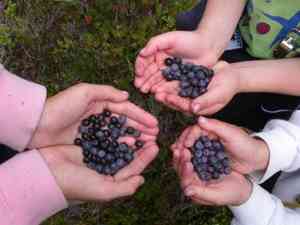
The cascade bilberry, a robust shrub prized for its flavorful fruit and brilliant autumn leaves, flourishes with limited trimming. Concentrate on excising deceased or ailing limbs and sculpting for visual appeal while the plant is dormant in winter. Periodically thinning out mature stalks every few years stimulates revitalization and boosts berry yield. Exercise restraint when pruning to preserve its inherent shape, eliminating only essential growth, as this variety does not necessitate extensive cutting. These methods foster plant vigor and abundant fruit collections.
What Are the Benefits of Pruning Cascade Bilberry?
What Are the Benefits of Pruning Cascade Bilberry?
Trimming cascade bilberry promotes robust development and maintains its form, leading to a healthier specimen with potential for increased fruit yield and visual appeal. Strategic cutting keeps cascade bilberry compact and manageable, enhancing garden neatness.
What Is the Best Time for Pruning Cascade Bilberry?
What Is the Best Time for Pruning Cascade Bilberry?
Pruning cascade bilberry from late winter to early spring is optimal as the plant remains dormant. This timing avoids stress and allows cascade bilberry to allocate energy to healing and new growth as the active season begins. It also minimizes frost damage to fresh cuts and reduces disease risk entering wounds. Pruning now helps maintain structure, remove dead or diseased wood, and encourages strong berry production next season. Avoid pruning cascade bilberry during its active spring growth or summer flowering/fruiting to prevent disruption.
What Tools Do I Need to Prune Cascade Bilberry?
Hand Pruners
Crucial for making precise cuts on cascade bilberry's smaller stems and branches, hand pruners enable selective removal without harming the plant's structure.
Bypass Pruners
Perfect for live wood and green stems of cascade bilberry, bypass pruners create clean cuts that heal quickly, preventing disease entry.
Pruning Saws
For older, thicker, woody stems of cascade bilberry that hand pruners can't handle, a pruning saw allows removal without tearing or damaging the plant.
Gloves
Protecting the gardener's hands from scrapes and providing a better grip on tools when working with cascade bilberry.
Loppers
If cascade bilberry has branches slightly out of hand pruner reach or too thick, loppers offer the necessary leverage for easier cutting.
Sharpening Tool
Keeping all cutting tools sharp ensures clean, precise cuts for cascade bilberry, promoting better healing and reducing plant stress.
How to Prune Cascade Bilberry
Clean Pruning Tools
Before pruning cascade bilberry, sanitize all tools with a 1:9 bleach-to-water solution to prevent disease transmission.
Remove Withered Leaves
Carefully take off any withered leaves from cascade bilberry by gently plucking or snipping them at their base where they meet the stem or branch, using clean, sharp shears.
Remove Dead Branches
Identify dead branches on cascade bilberry by looking for brittle ones, those lacking green growth, or with flaking bark. Using sharpened shears, make a clean cut at the branch's base, angling it slightly downward to allow water runoff and prevent rot.
Cut Diseased Branches
Locate any diseased branches on cascade bilberry, which might appear discolored, swollen, or have unusual growths. Cut these branches back to healthy tissue, ensuring the cut is clean and smooth for quick healing.
Dispose Of Trimmed Material
Discard all trimmed materials, including withered leaves, dead or diseased branches, by placing them in a yard waste bin or composting them if safe, to lessen the chance of disease spread.
Common Pruning Mistakes with Cascade Bilberry
Overpruning
Removing too much foliage from cascade bilberry can weaken it, leading to reduced vigor and fewer berries. Aim for light pruning to maintain shape and encourage healthy growth.
Improper Cut Location
Cutting too far from or too close to a bud or node can result in poor new growth or plant damage. Make cuts just above outward-facing buds to guide growth direction.
Using Dull Tools
Dull pruning tools can cause jagged cuts on cascade bilberry branches, making them susceptible to disease and pests. Always use sharp, clean tools for clean cuts.
Neglecting Disease Management
Failing to remove diseased or damaged wood can spread pathogens within cascade bilberry. It's crucial to identify and cut out problematic areas during pruning.
Common Pruning Tips for Cascade Bilberry
Selective Pruning
Carefully choose which branches to prune, as cascade bilberry fruits on old wood. Focus on removing only dead, diseased, or overcrowded branches to ensure abundant fruiting.
Cut Angle
Make cuts at a 45-degree angle to prevent water accumulation, which can lead to rot and disease. Ensure the highest point of the angle is just above the bud.
Balanced Structure
Encourage a balanced structure by pruning cascade bilberry so sunlight can reach inner branches. This promotes even growth and berry production throughout.
Aftercare
After pruning cascade bilberry, apply a balanced fertilizer to aid plant recovery and promote healthy new growth. Ensure proper watering to help the plant heal from pruning stress.



