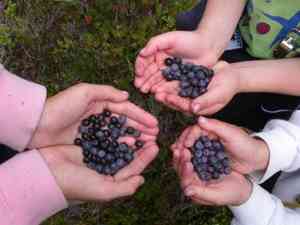
Cascade bilberry (Vaccinium deliciosum)
Also known as: Blueleaf huckleberry
The bilberry, known botanically as *Vaccinium myrtillus*, bears dark-blue or black fruit that is both tasty and nutritious. Typically found at elevations above 1000 meters, this plant's berries were an essential part of the diet for Native Americans and are also favored by various wildlife species.
In This Article
Attributes of Cascade bilberry
Lifespan
Perennial
Plant Type
Shrub
Plant Height
30 cm to 91 cm
Spread
Variable, generally spreading groundcover
Leaf Color
Green
Flower Size
6 mm
Flower Color
Pink
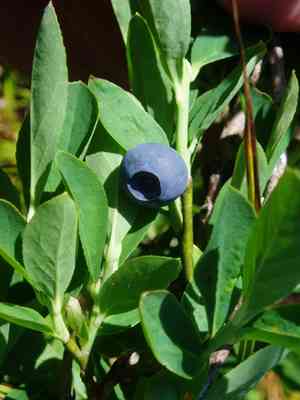
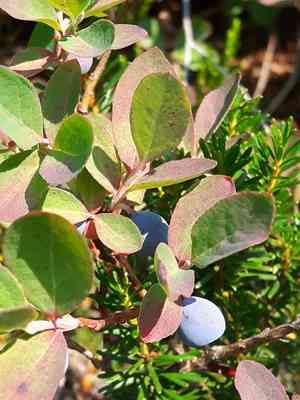
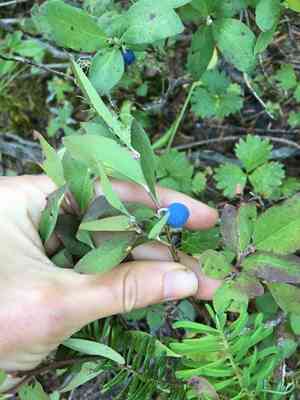
Images of Cascade bilberry
Quickly Identify Cascade bilberry
1
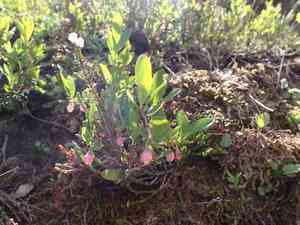
Identify Vaccinium deliciosum by its low-growing shrub form, oval leaves with serrated edges, and small, pinkish or whitish flowers. The blue to bluish-black berries are also a notable characteristic.
Scientific Classification of Cascade bilberry
Phylum
Vascular plants
Class
Dicotyledons
Order
Ericales
Family
Heath
Genus
Blueberries
Species
Cascade bilberry
Planting and Growing of Cascade bilberry
Care Difficulty
Hard
Watering Schedule
Every 3 days
Sunlight Requirements
Partial sun
Sunshine Duration
6-10 hours
Ideal Temperature
50-70℉
Soil Type
Potting Mix, Peat Mix
Soil pH
4.5-6
Fertilizer Type
Balanced
Pruning Season
Spring, Summer
Pruning Area
Branches, Leaves
Pruning Frequency
2 times a year
Repotting Season
Spring
Pot Type
Plastic, Ceramic
 How to Water Cascade bilberry?
Vaccinium deliciosum requires careful attention to its watering needs. When watering, ensure that the soil is evenly moist but not soggy. Aim to provide 500 ml of water per session, ensuring it soaks into the root zone. This plant thrives in well-draining soil, and it's crucial that the water seeps through but doesn’t stagnate.
What are the symptoms of an underwatered Cascade bilberry?
›
What should I do if my Cascade bilberry is not getting enough water?
›
What are the symptoms of an overwatered Cascade bilberry?
›
How to save an overwatered Cascade bilberry?
›
 What Are the Sunlight Requirements for Cascade bilberry?
Partial sun to partial shade is ideal for Vaccinium deliciosum. Ideal lighting ensures healthier, lusher growth and maximized berry production due to enhanced photosynthesis rates.
More About Sunlight Requirements Techniques→
What is the optimal light condition?
›
How can we achieve the ideal lighting condition?
›
What are the benefits of receiving optimal lighting?
›
 What Is the Ideal Temperature Range for Cascade bilberry?
Vaccinium deliciosum thrives best within a moderate temperature range of 50 to 70°F. This range facilitates optimal photosynthesis and nutrient absorption. Maintaining consistent temperatures within this bracket ensures healthy growth and productivity, providing ideal conditions for development and fruiting.
 What Soil is Best for Cascade bilberry?
Vaccinium deliciosum thrives in soils that have excellent moisture retention characteristics. This is particularly important during dry spells or hot weather, as it helps the plant maintain hydration and avoid stress. While moisture is important, adequate drainage prevents water from stagnating around the roots, which could lead to root rot. The right balance maintains a healthy root system, essential for nutrient absorption and overall plant vigor. High organic matter in the soil enhances nutrient availability and improves soil structure. This provides a nutrient-rich environment supportive of robust plant growth, helping the plant produce delicious berries.
 How to Fertilize Cascade bilberry?
Vaccinium deliciosum thrives best with a balanced fertilizer mix, emphasizing moderate application. Avoid heavy-handedness; a little goes a long way. Use a fertilizer diluted to half the recommended strength for weak seedlings, gradually increasing strength as the plant matures to maintain soil health and promote vibrant growth.
 How to Prune Cascade bilberry?
Before you start, make sure to have a pair of sharp pruning shears or loppers. Clean them with rubbing alcohol to prevent the spread of diseases. Pruning is best done with clean tools to ensure a smooth cut and healthy regrowth. Look for branches that show discoloration, dry appearance, or signs of disease. These should be removed first to prevent the spread of potential infection and to allow the plant to focus its energy on healthy growth. Trim the branches to maintain a rounded and tidy bush shape. Cut back any overgrown branches to enhance airflow and light penetration, which is critical for the plant’s health and berry production. Cut back branches to just above a bud to encourage robust new growth. This method will help generate a more fruitful plant with increased berry production next season.
More About Pruning Techniques→
 How to Propagate Cascade bilberry plant?
1
Collect ripe berries and clean the seeds from the pulp. Stratify the seeds by chilling them in a moist substrate for 3 to 4 months at 1-5°C to break dormancy before sowing.
2
Select healthy semi-hardwood cuttings in late spring. Cut a segment approximately 4-6 inches long, ensuring each cutting has several leaf nodes and remove the lower leaves.
3
In early spring, carefully dig up a mature plant, dividing the root ball into smaller clumps. Ensure each clump has a healthy root system and top growth before replanting.
 How to Repot Cascade bilberry plant?
1
Vaccinium deliciosum shows signs for repotting when you notice roots peeking through drainage holes or the growth appears stunted. Typically, this happens every 2-3 years, especially just before the active growing season in spring.
2
Select a pot that is 2-3 inches larger in diameter than the current one. Ensure it has good drainage as stagnation can harm the plant. A pot made of breathable material like terracotta can help regulate moisture, promoting healthier root systems.
3
Choose an acidic, well-drained soil mix formulated for blueberries. This supports the plant's natural preference for low pH environments and improves nutrient uptake, contributing to vibrant growth and fruit production.



