Enhancing Your Garden Design with the Cascade bilberry Plant: A Landscaping Guide
1
The distinct hues of cascade bilberry can bring lively color to your outdoor spaces throughout the year.
2
Introducing cascade bilberry into your garden can aid in sustaining local fauna and fostering ecological diversity.
3
Cascade bilberry needs very little upkeep, positioning it as a superb option for environmentally conscious garden design.
Appreciating the Visual Charm of Cascade bilberry
Highlighting the Distinctive Hues of Cascade bilberry
A captivating aspect of integrating Cascade bilberry into your garden is its vibrant color range. Its leaves display brilliant shades that transform seasonally, offering visual appeal from spring through autumn. In spring, new foliage emerges with a unique green tint, gradually deepening as the season progresses. By fall, the leaves shift to beautiful reds and purples, making Cascade bilberry a dynamic and striking garden addition.
Seasonal Transformations and Aesthetic Impact
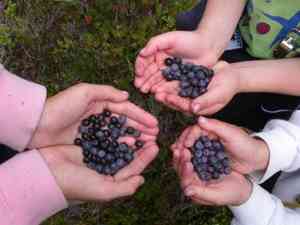
Cascade bilberry provides a spectacular display throughout the year, with each season bringing its own special allure. Beyond its seasonal leaf color changes, Cascade bilberry produces small, delicate blooms that add elegance in spring. By summer, these flowers yield clusters of berries that not only enhance the plant's beauty but also attract birds and other wildlife. The berries darken richly as they ripen, offering a stunning contrast to the plant's foliage.
Integrating Cascade bilberry with Other Flora
Companion Plants for Cascade bilberry
When designing a landscape with Cascade bilberry, consider pairing it with plants that complement its colors and growth requirements. For instance, ferns and hostas are excellent companions that thrive in similar conditions. The lush green of ferns and the bold textures of hostas provide a striking contrast to Cascade bilberry's changing leaves and berries. Additionally, plants like rhododendrons and azaleas, which also prefer acidic soil, can create a harmonious and visually pleasing garden layout.
Designing Plant Arrangements for Year-Round Beauty
To ensure your garden remains attractive throughout the year, careful planning of plant groupings is essential. Combine Cascade bilberry with evergreens like pine or spruce to maintain greenery during winter. Introduce early-season color with spring-flowering bulbs such as daffodils and tulips. During summer, plants with vibrant blooms, like daylilies and coreopsis, can complement Cascade bilberry's berries and vivid leaves. These thoughtful combinations will create an evolving landscape that offers visual appeal in every season.
Care Guidelines for Cascade bilberry in Gardens
Fundamental Upkeep Needs for Health and Attractiveness
Cascade bilberry is relatively low-maintenance, requiring minimal effort to keep it healthy and appealing. Ensure the soil is well-drained and acidic, with a pH range of 4.5 to 5.5. Consistent watering is crucial, especially during dry periods, to keep the soil moist but not waterlogged. Mulching around the base can help retain moisture and suppress weeds. Prune any dead or diseased branches in late winter or early spring to maintain its shape and vitality.
Seasonal Considerations for Optimal Development
Each season brings specific maintenance tasks to ensure your Cascade bilberry flourishes. In spring, check for new growth and fertilize with an acid-loving plant food. Summer months demand consistent watering, particularly in warmer climates. Fall is the time to prune and prepare for winter, removing any dead or damaged parts to prevent disease. Cover the base with a layer of mulch to protect roots from frost during winter. Following these seasonal guidelines will keep your Cascade bilberry healthy and beautiful all year long.
Creative Applications of Cascade bilberry in Landscape Design
Incorporating Cascade bilberry in Borders and Edges
Cascade bilberry can be an excellent choice for creating borders and edges in your landscape design. Its moderate size and colorful foliage make it an outstanding natural divider. Planting Cascade bilberry along pathways or around patios can define spaces and add a touch of natural beauty. Combine it with low-growing groundcovers or ornamental grasses to create visually interesting and functional landscape features.
Utilizing Cascade bilberry as Groundcover or Key Features
Depending on your garden's design, Cascade bilberry can serve as either a groundcover or a focal point. For groundcover, plant Cascade bilberry in large groupings to create a lush, green carpet that changes color with the seasons. As a focal point, place Cascade bilberry in a prominent location where its striking foliage and berries can be appreciated. Pair it with complementary plants and landscape features like boulders or water elements to highlight its beauty and enhance your garden's overall aesthetic.
Advantages of Selecting Cascade bilberry for Sustainable Landscaping
Supporting Local Fauna with Cascade bilberry
A significant benefit of planting Cascade bilberry is its capacity to support local wildlife. The plant's berries provide a valuable food source for birds and small mammals, while its dense foliage offers shelter. By incorporating Cascade bilberry into your garden, you create a mini-ecosystem that attracts and supports a variety of species, contributing to the biodiversity of your area.
Ecological Benefits of Cultivating Cascade bilberry
Choosing Cascade bilberry for your landscaping offers numerous environmental advantages. It is well-suited to local growing conditions, meaning it requires less water and fewer resources to maintain. Its deep roots help prevent soil erosion and promote groundwater recharge. Additionally, Cascade bilberry can improve air quality by absorbing carbon dioxide and releasing oxygen, making it an excellent choice for eco-friendly gardens.



