How to Prune Wood wakerobin?
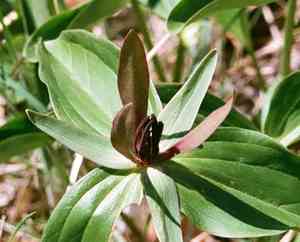
Wood wakerobin is a perennial plant characterized by its unique three-petaled blossoms and wide, spiraling leaves. To ensure peak vitality, trim wood wakerobin in the latter part of winter or early spring, prior to the emergence of fresh shoots. Gently remove any withered or compromised leaves to avert strain on the plant. Refrain from extensive cutting, as this can impede its blooming. This minimal upkeep fosters vigorous development and elevates its aesthetic appeal. Appropriate trimming of wood wakerobin facilitates its inherent growth pattern and contributes to a more thriving, visually pleasing look.
What Are the Benefits of Pruning Wood Wakerobin?
What Are the Benefits of Pruning Wood Wakerobin?
Trimming wood wakerobin encourages robust development and helps maintain its desired form. It improves plant well-being by eliminating dead or unhealthy sections, ensuring better air circulation and lowering pest risk. Pruning also promotes more abundant blooms and overall plant vitality.
What Is the Best Time for Pruning Wood Wakerobin?
What Is the Best Time for Pruning Wood Wakerobin?
Trimming wood wakerobin in early spring or late winter is optimal as the plant is dormant then. Pruning at this time minimizes plant stress and reduces infection or damage risk, as the plant's energy focuses on root growth rather than active development or flowering. Additionally, cutting back during dormancy can revitalize wood wakerobin and foster healthy growth in the upcoming season.
What Tools Do I Need to Prune Wood Wakerobin?
Hand Pruners
These are perfect for making precise cuts on small stems and leaves of wood wakerobin. Their compact size allows for greater control and precision, which is crucial given the plant's unique growth characteristics.
Bypass Pruners
Favored for their clean cuts, which can reduce harm to the delicate stems of wood wakerobin. Bypass pruners operate like scissors and are less likely to crush stems, promoting healthier regrowth.
Pruning Scissors
These are excellent for detailed trimming of wood wakerobin due to their sharp, fine blades that allow for precision work on small, delicate parts of the plant.
How to Prune Wood Wakerobin
Identify
Carefully inspect wood wakerobin for diseased or withered leaves. Look for signs of discoloration, dryness, or spotting.
Disinfect
Sanitize pruning tools with a solution of one part bleach to nine parts water to prevent disease spread.
Remove diseased leaves
Cut away any diseased leaves by making clean cuts at the base of the leaf stem, ensuring no diseased material remains on wood wakerobin.
Remove withered leaves
Trim away withered leaves similarly, cutting at the base of the leaf stem. Dispose of these leaves properly to prevent potential disease spread.
Monitor
Regularly check wood wakerobin after pruning to ensure no new diseased or withered leaves appear. Promptly remove any new occurrences.
Common Pruning Mistakes with Wood Wakerobin
Improper Technique
Using dull or unsuitable tools can harm plant tissue, making it vulnerable to disease.
Timing
Pruning at the wrong time can disrupt wood wakerobin's natural growth cycle, potentially reducing flowering and overall health.
Over-Pruning
Removing too much foliage can stress the plant and reduce its vigor, leading to poor growth and fewer blooms.
Ignoring Dead or Diseased Parts
Failing to remove dead or diseased sections can spread infections and pests to healthy parts of wood wakerobin.
Cutting Too Close
Cutting too close to the main stem or base can cause wounds that are difficult for the plant to heal, increasing the risk of infections.
Common Pruning Tips for Wood Wakerobin
Use Sharpened, Clean Tools
Always use sharp and sterilized tools to make clean cuts and minimize the risk of disease.
Focus on Dead or Damaged Areas
Prioritize removing any dead, damaged, or diseased parts of wood wakerobin to maintain plant health.
Cut Above Growth Nodes
Make cuts just above a growth node or bud to encourage new, healthy growth.
Minimal Pruning Needed
Wood wakerobin requires minimal pruning; only trim back parts that are necessary to manage its shape or health.
Disinfect Tools
When dealing with diseased parts, disinfect your tools between cuts to prevent spreading pathogens.



