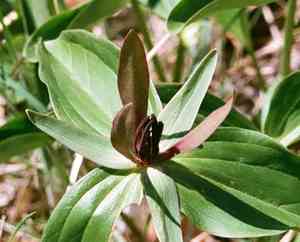
Wood wakerobin (Trillium viride)
Also known as: Green Trillium, Wood Lily
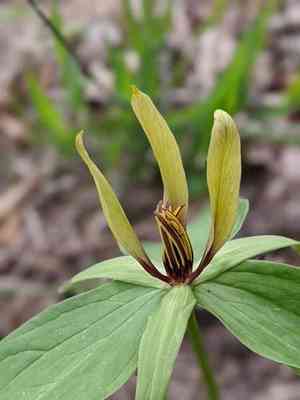
The wood wakerobin, a perennial woodland plant, is recognized for its unique three-petaled green flowers. Emerging from a cluster of three broad leaves, this plant flourishes in deciduous forests. Preferring rich, moist, and well-drained soils, it thrives in areas with dappled sunlight. Blooming in the spring, its green flowers provide a delicate and harmonious touch to its forest environment.
In This Article
Attributes of Wood wakerobin
Lifespan
Perennial
Plant Type
Herb
Plant Height
30 cm to 46 cm
Spread
N/A
Leaf Color
Green
Flower Size
4 to 6 cm
Flower Color
Green, Greenish-yellow
Images of Wood wakerobin
Quickly Identify Wood wakerobin
1
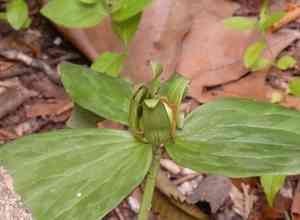
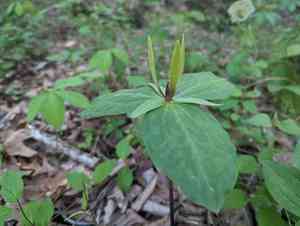
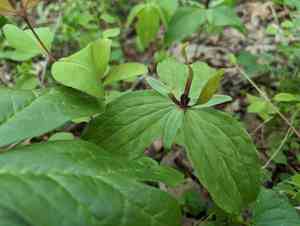
Look for a three-petaled flower with green to greenish-yellow petals and three whorled leaves at the top of a single stem. The flowers are often upright and the leaves have a distinctive broad ovate shape.
Scientific Classification of Wood wakerobin
Phylum
Vascular plants
Class
Monocotyledons
Order
Liliales
Family
Bunchflower
Genus
Birthroots
Species
Wood wakerobin
Planting and Growing of Wood wakerobin
Care Difficulty
Moderate
Watering Schedule
Every 3 days
Sunlight Requirements
Partial sun
Sunshine Duration
4-8 hours
Ideal Temperature
60-75℉
Soil Type
Potting Mix, Peat Mix
Soil pH
5.5-7
Fertilizer Type
Balanced
Pruning Season
Spring, Summer
Pruning Area
Branches, Leaves
Pruning Frequency
2 times a year
Repotting Season
Spring
Pot Type
Plastic, Ceramic
 How to Water Wood wakerobin?
The plant Trillium viride requires a consistent but moderate watering regimen. To ensure healthy growth, water it with approximately 250 milliliters per session, allowing the soil to become evenly moist but never waterlogged.
What are the symptoms of an underwatered Wood wakerobin?
›
What should I do if my Wood wakerobin is not getting enough water?
›
What are the symptoms of an overwatered Wood wakerobin?
›
How to save an overwatered Wood wakerobin?
›
 What Are the Sunlight Requirements for Wood wakerobin?
Partial sun and full shade are ideal for Trillium viride, providing gentle sunlight throughout the day. This balance supports robust growth and enhances leaf coloration, maintaining the plant's health.
What is the optimal light condition for Trillium viride?
›
How can I achieve the ideal lighting for Trillium viride?
›
What benefits does Trillium viride get from ideal lighting?
›
 What Is the Ideal Temperature Range for Wood wakerobin?
What is the ideal temperature range for Trillium viride? The ideal temperature range for Trillium viride is between 60°F and 75°F. This range ensures that the plant receives enough warmth to support its photosynthesis process while avoiding excessive stress. This range is optimal for maintaining healthy foliage and supporting the natural growth cycle of the plant.
 What Soil is Best for Wood wakerobin?
Trillium viride thrives in well-drained soil that allows excess water to escape easily. This type of soil prevents root rot and ensures the roots get just the right amount of moisture they need, facilitating healthy growth. Even though drainage is crucial, soil that retains some moisture is important to keep Trillium viride hydrated during drier periods. A balance helps the plant remain lush without water stress, which can inhibit flowering. The presence of organic matter in the soil enriches the nutrient availability, essential for the robust growth of Trillium viride. Organic components like compost or decayed leaves improve soil structure and nutrient exchange, fostering vibrant development.
 How to Fertilize Wood wakerobin?
For Trillium viride, it's best to use a balanced all-purpose fertilizer applied sparingly. Liquid fertilizers should be diluted to half strength before application, providing essential nutrients without overwhelming the roots. Apply about 1 cup per plant.
 How to Prune Wood wakerobin?
Begin by identifying any dead or diseased leaves and stems. Use sharp, clean pruning shears to cut them back to the base of the plant. It is essential to avoid cutting healthy growth as Trillium viride relies heavily on its leaves for photosynthesis. Focus on thinning out overcrowded areas to improve air circulation, which can prevent fungal infections. Always prune with care, as this plant has a delicate structure.
More About Pruning Techniques→
 How to Propagate Wood wakerobin plant?
1
Collect mature seeds from Trillium viride plants in the late spring. Sow them in seed trays filled with a high-quality seed-starting mix. Keep the trays in a shaded, cool location and maintain consistent moisture without waterlogging.
2
In early spring, dig up the plant carefully. Use a sharp knife or spade to divide the rhizomes, ensuring each piece has a portion of roots and shoots. Replant immediately, keeping them at the same soil level as before.
3
After sowing, monitor seed trays for signs of germination. This can take several months. Maintain optimal moisture and temperature levels, and protect them from direct sunlight to prevent drying out.
 How to Repot Wood wakerobin plant?
1
For Trillium viride, repot when you notice its roots protruding from the drainage holes or appearing crowded. This plant prefers not to be disturbed often, so ensure these signs before considering a new pot. The best time is during its dormancy in spring or early summer, ensuring minimal stress during the transition.
2
Opt for a pot slightly larger than the current one, emphasizing good drainage. Clay or terracotta pots are ideal as they foster breathability, preventing root rot. Ensuring your pot has ample drainage holes will keep the plant healthy and thriving by reducing water retention.
3
Select a well-draining soil with a loamy texture. Adding organic matter, such as peat or compost, ensures the soil remains rich in nutrients while maintaining necessary drainage. The soil's ability to retain moisture without becoming waterlogged is crucial for Trillium viride’s health.
Learn More About Wood wakerobin Diseases
Anthracnose
Bacterial Leaf Spot
Bacterial Soft Rot
Bacterial Wilt
Black Spot
Chemical Injury
Crown Gall
Cyst Nematode
Damping-off
Downy Mildew
Drought Stress
Fusarium Wilt
Gray Mold
Leaf Spot
Mosaic
Nutrient Deficiency
Nutrient Toxicity
Powdery Mildew
Root Rot
Root-knot Nematode
Rusts
Sooty Mold
Spider Mites
Temperature Stress
Thrips Damage
White Mold



