How to Propagate Wood wakerobin?
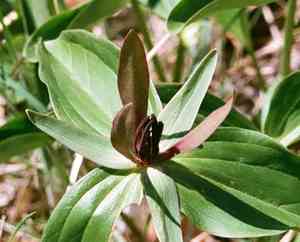
Trillium sessile, recognized for its vivid green sepals and affinity for forested settings, reproduces effectively via root division. Carefully detach the rhizomes, preserving the root systems whole for peak development. Place the separated sections in a shaded, well-drained location, mimicking their native surroundings. Sufficient hydration and nutrient-rich substrate foster establishment and robustness. Consistent inspection for infestations and ailments guarantees robust growth.
Optimal Period for Wood Wakerobin Propagation
Propagation Method
Splitting
Propagation Period
Spring,Autumn
Tools for Wood Wakerobin Propagation
Sharp Garden Knife or Spade
A keen garden knife or spade is vital for the division technique, which involves severing the tuberous rhizomes of wood wakerobin. Its sharp edge ensures clean cuts that minimize harm to plant tissues, reducing infection risk and promoting faster healing and establishment of the separated sections.
Hand Trowel
A hand trowel is needed for lifting wood wakerobin from the ground without causing undue damage to the roots. Its small, manageable size allows for precise digging around the plant, ensuring minimal disruption to the root system.
Root Washing Station
A root cleaning station is helpful for removing soil from the roots of wood wakerobin prior to division. Clear visibility of the root structure aids in making precise cuts and decreases the chance of severing important root sections.
Pruning Shears
Pruning shears are useful for removing any dead or damaged foliage during the division process. Clean cuts with pruning shears help maintain the overall health of wood wakerobin by preventing disease entry points.
Sterilization Tools
Sterilization tools, such as a bleach solution or rubbing alcohol, are essential for sanitizing cutting implements before and after each use. This step prevents the spread of pathogens and diseases, ensuring the health and viability of wood wakerobin throughout the propagation process.
Rooting Hormone
Applying rooting hormone to the cut sections of wood wakerobin can enhance root development and increase the success rate of propagation. It stimulates root growth, helping the plant establish itself more quickly in its new environment.
Labels and Markers
Labels and markers aid in tracking the various divisions of wood wakerobin to monitor their progress. This documentation ensures that proper care is given to each section, assisting in the assessment of successful propagation and growth patterns.
Moisture Meter
A moisture meter is useful for monitoring soil moisture levels to ensure wood wakerobin receives adequate water during the crucial establishment phase. Proper moisture levels are vital for root development and overall plant health.
Steps to Propagate Wood Wakerobin
Propagation Type
Simple
Post-Propagation Care for Wood Wakerobin
Post-Propagation Care for Wood Wakerobin
Following propagation, ensure the soil remains consistently damp but not waterlogged. Wood wakerobin prefers a shaded or partially shaded spot with rich, well-drained soil. Apply a layer of mulch to retain moisture and regulate soil temperature. Monitor for signs of stress, such as wilting or discoloration, and adjust care as needed. Regularly check for pests and diseases, and remove any affected parts promptly.
Common Errors to Avoid When Propagating Wood Wakerobin
Incorrect Soil Conditions
Utilizing poorly drained or overly dense soil can lead to root rot and impede nutrient absorption.
Excessive Watering
Overwatering can cause root rot and other fungal diseases, leading to the plant's decline.
Inappropriate Light Levels
Exposing wood wakerobin to too much direct sunlight or too little light can stress the plant, affecting its growth and propagation success.
Insufficient Spacing
Planting wood wakerobin too closely together can result in overcrowding, competition for nutrients, and increased susceptibility to pests and diseases.
Neglecting Pests and Diseases
Failing to monitor and manage pests and diseases can severely impact the health and growth of wood wakerobin.
Advice for Propagating Wood Wakerobin
Proper Soil Preparation
Use well-draining, humus-rich soil to provide optimal growing conditions and prevent root rot.
Controlled Watering
Water appropriately, ensuring the soil remains moist but not waterlogged to avoid the development of fungal diseases.
Adequate Light Conditions
Provide partial to full shade to meet wood wakerobin's light requirements, promoting healthy growth without causing stress.
Appropriate Spacing
Ensure sufficient spacing between each wood wakerobin to reduce competition for resources and limit the spread of diseases.
Pest and Disease Management
Regularly inspect wood wakerobin for signs of pests or diseases and take timely action to maintain plant health and successful propagation.



