How to Prune Small white clover?
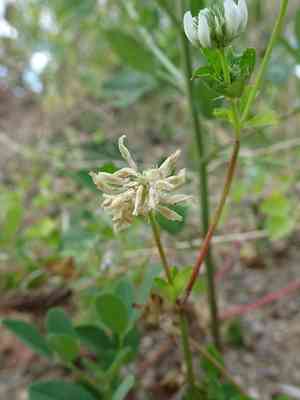
A nitrogen-fixing ground cover, small white clover flourishes in diverse soil types, fostering ecological variety. Consistent shearing preserves its dense habit and stimulates new leaves. Trim in spring to eliminate deceased parts, in summer for shaping, and in autumn for preparation before winter. Gentle snipping, rather than harsh cutting, benefits small white clover, encouraging regeneration without causing plant stress. Trimming not only enhances well-being but also manages its expansion in chosen locations, guaranteeing a thick, lively mat.
What Are the Benefits of Pruning Small White Clover?
What Are the Benefits of Pruning Small White Clover?
Trimming small white clover encourages robust development and maintains its compact form. This prevents it from encroaching on neighboring plants while enhancing air circulation to lower disease risk.
What Is the Best Time for Pruning Small White Clover?
What Is the Best Time for Pruning Small White Clover?
Spring is optimal for trimming small white clover as this period marks the start of its growth cycle, enabling gardeners to shape the plant and foster healthier, more vigorous development. Early Summer is suitable for light trimming to manage the size and look of small white clover, which can promote more blooms since small white clover may flower throughout the growing season. Fall pruning is advantageous as it prepares small white clover for dormancy, eliminating any dead or diseased foliage that could harm the plant's overall health during winter. These specific times are chosen to ensure small white clover's vitality and blooming capacity, avoiding cuts during harsh weather and peak flowering periods.
What Tools Do I Need to Prune Small White Clover?
Hand Pruners
Given that small white clover is a relatively small and delicate plant, a pair of sharp hand pruners will suffice for most trimming tasks. They allow for precise cuts and can help in thinning out any dense patches or removing dead foliage.
Garden Scissors
Small white clover might occasionally require gentle shaping or snipping of individual leaves and stems. Garden scissors are ideal for this task due to their precision and ease of handling, minimizing damage to the plant.
Gloves
Although small white clover does not typically have thorns, wearing gardening gloves can protect the hands from dirt and potential irritants when pruning.
Shears
For trimming larger areas of small white clover efficiently, especially if it's being used as ground cover, shears could be used to maintain a neat appearance and encourage new growth.
Rake
After pruning, a rake may be used to gather and remove the clippings from the surface of the soil, helping to maintain a clean area around small white clover. This prevents the build-up of debris which can harbor pests or diseases.
How to Prune Small White Clover
Clean Tools
Before starting the pruning process, ensure that all pruning tools are clean and sharp to prevent the spread of disease to small white clover.
Identify Withers
Carefully examine small white clover to locate any withered, yellow, or brown leaves which are often the result of maturation or environmental stress.
Remove Withers
Using your fingers or pruning shears, gently remove the withered leaves from small white clover by snipping them at the base of the leaf stem, taking care not to damage the nodes or crowns.
Dispose Of Debris
Collect and dispose of all the removed withered leaves to decrease the likelihood of pests or disease affecting small white clover.
Monitor Plant
Regularly monitor small white clover after pruning to ensure it is recovering well and to identify any further signs of withered leaves or other health issues.
Common Pruning Mistakes with Small White Clover
Over Pruning
Removing too much foliage at once can stress small white clover, potentially leading to reduced vigor or even plant death.
Harsh Cuts
Making uneven or jagged cuts can damage small white clover's delicate stems, leading to disease or pest infestation.
Ignoring Diseased Material
Failing to remove diseased or dead plant material can inhibit healthy growth and spread illness throughout small white clover.
Pruning Active Growth
Cutting back small white clover during periods of active growth can halt the plant's natural development cycle, and may hinder clover cover and flowering productivity.
Neglecting Tool Cleanliness
Using dirty pruning tools can introduce pathogens to small white clover, increasing the risk of disease.
Common Pruning Tips for Small White Clover
Sharp Tools
Always use clean, sharp scissors or pruning shears to make clean cuts without damaging small white clover's stems.
Moderate Pruning
Prune small white clover sparingly, removing only necessary parts to maintain plant health and appearance, ensuring sustainable growth.
Disease Management
Regularly inspect and immediately trim away any dead or diseased foliage to prevent the spread of disease within small white clover.
Shape Maintenance
Gently shape small white clover to encourage a dense, even growth habit, which can enhance the aesthetic of the plant and its usefulness as groundcover.
After Flowering
Trimming small white clover after it blooms can stimulate a second bloom and prevent unwanted self-seeding that may lead to overgrowth in garden areas.



