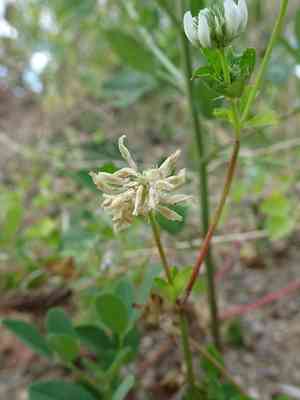
Small white clover (Trifolium nigrescens)
Also known as: Black-seeded Clover
Schwarzwerdender Klee, commonly known as black medic (Medicago lupulina), is an annual herbaceous plant that typically grows between 5 and 60 centimeters tall. The stems can be prostrate, ascending, or upright, and are often extensively branched. They are generally hairless or nearly so. The leaves are trifoliate with long stalks, except for the uppermost leaves.
In This Article
Attributes of Small white clover
Lifespan
Annual
Plant Type
Herb
Plant Height
5 cm to 30 cm
Spread
N/A
Leaf Color
Green
Flower Size
0.5-1 cm
Flower Color
White Pink
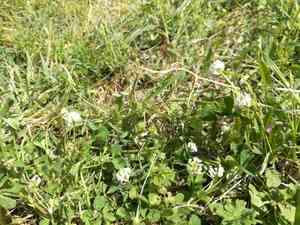
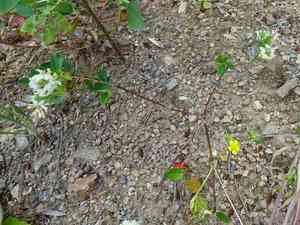
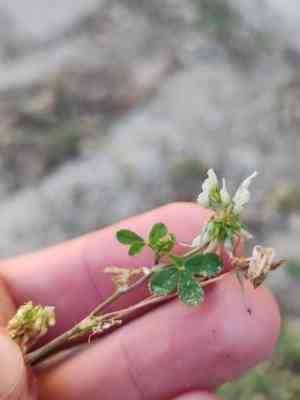
Images of Small white clover
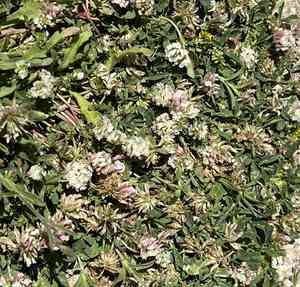
Quickly Identify Small white clover
1
Trifolium nigrescens can be identified by its trifoliate leaves, which consist of three leaflets. The leaflets are typically oval with finely serrated edges, and it produces small, spherical white flowers that turn black as they mature.
Scientific Classification of Small white clover
Phylum
Vascular plants
Class
Dicotyledons
Order
Fabales
Family
Legume
Genus
Clovers
Species
Small white clover
Planting and Growing of Small white clover
Care Difficulty
Easy
Watering Schedule
Every day
Sunlight Requirements
Partial sun
Sunshine Duration
6-10 hours
Ideal Temperature
60-75℉
Soil Type
Potting Mix, Peat Mix
Soil pH
6.5-7.5
Fertilizer Type
Balanced
Pruning Season
Spring, Summer
Pruning Area
Branches, Leaves
Pruning Frequency
2 times a year
Repotting Season
Spring
Pot Type
Plastic, Ceramic
 How to Water Small white clover?
For Trifolium nigrescens, watering is best done carefully to maintain moderate soil moisture. You should ideally water until the soil is moist but not soggy, which typically means around 500 ml of water per session. The goal is to keep the soil slightly damp, resembling the natural rains it would receive in the wild.
What are the symptoms of an underwatered Small white clover?
›
What should I do if my Small white clover is not getting enough water?
›
What are the symptoms of an overwatered Small white clover?
›
How to save an overwatered Small white clover?
›
 What Are the Sunlight Requirements for Small white clover?
Partial sun exposure is ideal for Trifolium nigrescens, ensuring vibrant growth. Sufficient light supports photosynthesis, enhancing leaf color and plant vigor, while preventing the adverse effects of too much or too little light.
More About Sunlight Requirements Techniques→
How much sunlight does Trifolium nigrescens need?
›
How to ensure ideal lighting for this plant?
›
What are the benefits of ideal lighting?
›
 What Is the Ideal Temperature Range for Small white clover?
The ideal temperature range for cultivating Trifolium nigrescens is between 60°F and 75°F. Within this temperature range, the plant can thrive, exhibiting optimal growth and vibrant foliage. Maintaining these conditions can help ensure successful cultivation and reproduction.
 What Soil is Best for Small white clover?
Trifolium nigrescens thrives in soils that are rich in nutrients. A nutrient-rich loam ensures that the plant gets the essential minerals needed for healthy growth, resulting in lush, green foliage and robust flowering. Having a well-drained soil structure prevents waterlogging, which is crucial for this plant. This not only keeps the roots healthy but also supports optimal plant growth and reduces the risk of root diseases. Soil that offers good aeration is vital for Trifolium nigrescens, enabling roots to breathe and absorb nutrients efficiently. This leads to vigorous growth and a hearty, thriving plant.
 How to Fertilize Small white clover?
For Trifolium nigrescens, it's crucial to ensure that the plant receives the right amount of nutrients without overwhelming it. Typically, a dose of 10 grams per square meter for granulated slow-release fertilizers and 5 ml per liter of water for liquid fertilizers should suffice, but always adjust based on soil fertility and plant response.
 How to Prune Small white clover?
Start by identifying any dead, diseased, or damaged foliage and stems. Use pruning shears to carefully remove these areas, cutting just above a healthy leaf node to facilitate recovery and reduce disease spread. Trim the plant back to maintain a neat and attractive shape. Focus on removing long, lanky stems to encourage side growth and a fuller appearance. This helps keep the plant compact and prevents it from sprawling too much. To encourage flowering, trim back some of the older growth after blooming periods. This will stimulate the plant to produce new growth and potentially more flowers, enhancing its aesthetic appeal.
More About Pruning Techniques→
 How to Propagate Small white clover plant?
1
Use a well-draining potting soil mix. Fill the seed tray or pots with the mix. Moisten the soil thoroughly to create a hospitable environment for seeds or cuttings, aiding their initial growth.
2
Evenly disperse seeds across the substrate. Cover them lightly with soil, approximately twice the depth of the seed's diameter, ensuring good soil contact and enabling proper germination.
3
Select healthy stems from the parent plant and use shears to cut sections about 6 inches long. Remove lower leaves and plant them in the prepared substrate, and keep the soil moist to encourage root development.
 How to Repot Small white clover plant?
1
Repotting Trifolium nigrescens should be done in early spring or summer when you notice the plant outgrowing its current container. Look for roots emerging from the drainage holes or if the plant's growth appears stunted. Such signs indicate it's time to provide more space for this vigorous grower.
2
Choose a pot that is 1-2 inches larger in diameter than the current one. Ensure it has good drainage holes to prevent water logging, which can harm Trifolium nigrescens roots. The slightly bigger new pot allows for more root expansion while ensuring the plant does not stay waterlogged.
3
Opt for a loam-based potting mix, which offers excellent drainage and nutrient retention. This type of soil will support healthy growth and prevent water from accumulating at the roots, which is crucial for Trifolium nigrescens' needs.
Learn More About Small white clover Diseases
Anthracnose
Bacterial Leaf Spot
Bacterial Soft Rot
Bacterial Wilt
Chemical Injury
Crown Gall
Cyst Nematode
Damping-off
Downy Mildew
Drought Stress
Fusarium Wilt
Gray Mold
Leaf Spot
Mosaic
Nutrient Deficiency
Nutrient Toxicity
Powdery Mildew
Root Rot
Root-knot Nematode
Rusts
Sooty Mold
Spider Mites
Temperature Stress
Thrips Damage
White Mold



