How to Propagate Small white clover?
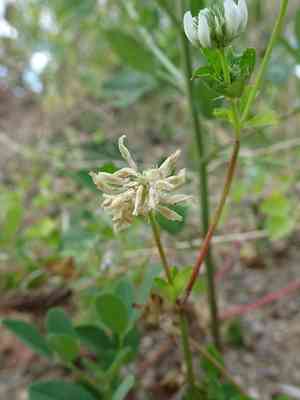
This prostrate perennial, characterized by its three-part leaves, proliferates readily across moderate climates. Its reproduction is predominantly achieved via seeding, a straightforward and productive technique. For successful sprouting, selecting a rich, adequately draining substrate is crucial. Gently blanket the seeds with earth and sustain uniform dampness post-planting to foster peak development. Being a leguminous plant, small white clover thrives with the introduction of rhizobium bacteria into the soil, which boosts nitrogen assimilation and encourages robust expansion.
Optimal Period for Small White Clover Propagation
Propagation Method
Seeding
Propagation Period
Spring
Tools for Small White Clover Propagation
Seed trays
Seed trays are crucial for the organized and controlled sprouting of small white clover seeds. They facilitate uniform spacing and adequate soil depth, encouraging consistent development. Their compact design simplifies maintaining ideal conditions by regulating moisture and temperature, vital for successful small white clover germination.
Fine-textured seed starting mix
A fine-textured seed starting mix is essential to prevent tiny small white clover seeds from being buried too deeply, which could impede their sprouting. This medium offers the correct balance of air circulation, drainage, and moisture retention, supporting the delicate initial stages of small white clover growth.
Misting bottle
A misting bottle allows for gentle watering without dislodging the small small white clover seeds. The fine spray provides the necessary hydration for seed germination without causing soil erosion or saturation, thereby preserving optimal soil conditions for small white clover.
Grow lights or a greenhouse setup
Grow lights or a greenhouse setup can significantly boost the propagation success of small white clover by providing consistent and sufficient light, which is critical for photosynthesis during the vulnerable seedling phase. This arrangement also helps maintain stable temperature and humidity levels, both crucial for small white clover germination and development.
Fertilizer (low nitrogen content)
Fertilizer with low nitrogen content is recommended once small white clover develops its initial true leaves. The low nitrogen formula promotes stronger root development over rapid leaf growth, ensuring a robust foundation for the plant, which is essential for successful transplantation and overall vigor.
How to Propagate Small White Clover?
Propagation Type
Simple
Caring for Your Newly Propagated Small White Clover
Caring for Your Newly Propagated Small White Clover?
Post-propagation, consistently keep the soil moist without over-saturating it. Small white clover thrives in well-drained, fertile soil and requires moderate but regular watering, especially during dry periods. Minimal feeding with a general-purpose fertilizer will support growth, though small white clover typically needs little intervention. Periodically check for pests like aphids, and promptly treat infestations to maintain healthy plants.
Common Mistakes to Avoid When Propagating Small White Clover
Overwatering
Excessive watering is a frequent error that can lead to root rot and fungal diseases in small white clover. Too much moisture in the soil suffocates the roots, hindering their ability to absorb oxygen effectively.
Deep Planting
Planting small white clover seeds too deeply can impede germination, as the seeds require light to initiate growth. Deep planting limits their exposure to adequate light, reducing germination rates.
Neglecting soil fertility
Using poor soil quality lacking sufficient nutrients can hinder the growth of small white clover. Nutrient-deficient soil does not support healthy root and foliage development, which is crucial for robust growth and blooming.
Tips For Propagating Small White Clover
Soil preparation
Before sowing, prepare the soil by ensuring it is loose and drains well. Adding organic matter like compost can improve soil structure and fertility, providing a superior growth medium for small white clover.
Light exposure
Ensure that the seeds of small white clover are sown on the soil surface or lightly covered with soil, as they require light for optimal germination. Place the plant in an area that receives ample indirect sunlight.
Moderate watering
Water small white clover sufficiently to keep the soil moist but not waterlogged. Using a spray bottle to mist the soil can prevent overwatering and ensure a suitable moisture level for seed germination.



