How to Prune Zig-zag clover?
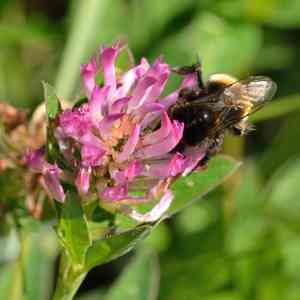
A persistent herbaceous leguminous plant, zig-zag clover is recognized by its distinctive zig-zag stalks and three-part leaves. To preserve its well-being and robustness, consistent removal of spent or withered blossoms is recommended, which stimulates additional flowering and, if preferred, deters self-propagation. Trimming ought to take place during phases of vigorous development, generally from spring to autumn, to foster a denser form and refine its general appearance. This horticultural practice provides advantages like better air movement and a possible boost in resilience against infestations and ailments for zig-zag clover.
Advantages of Trimming Zig-zag Clover
Advantages of Trimming Zig-zag Clover
Trimming zig-zag clover promotes robust development and helps maintain its desired form. Consistent cutting can lead to a stronger plant that thrives with increased vigor and visual appeal.
Optimal Time for Trimming Zig-zag Clover
Optimal Time for Trimming Zig-zag Clover
Trimming zig-zag clover in early spring encourages healthy new growth, allowing the plant to invest energy into developing strong roots and foliage. During early summer, after the initial bloom has started to fade, pruning may stimulate a second flowering and help preserve the plant's shape. Fall pruning, done sparingly, can prepare zig-zag clover for winter by removing any dead or diseased parts, while ensuring sufficient foliage remains for winter protection. These periods align with zig-zag clover's natural growth cycle, ensuring the plant stays vigorous and blooms well, without risking its health by cutting at times that would expose it to extreme weather or hinder its development.
Tools Required for Trimming Zig-zag Clover
Hand Pruners
Perfect for precisely cutting individual stems of zig-zag clover, minimizing harm to the plant.
Gardening Shears
Useful for shaping and maintaining the overall structure of zig-zag clover by trimming multiple stems simultaneously.
Gloves
Shields hands from thorns and sap while trimming zig-zag clover, enhancing safety and comfort during the task.
How to Trim Zig-zag Clover
Sanitize Tools
Before beginning, ensure all trimming tools are disinfected to prevent disease spread to zig-zag clover. Use a bleach solution or alcohol wipes for sterilization.
Remove Diseased Leaves
Carefully identify and remove any diseased leaves from zig-zag clover by cutting at the leaf stem's base using sharp, sanitized pruning shears. Dispose of these leaves properly to avoid contamination.
Trim Withered Leaves
Locate withered leaves on zig-zag clover and gently prune them off at the stem to encourage healthy new growth. This also improves air circulation and reduces risks of fungal infections.
Cut Dead Branches
Find any dead branches on zig-zag clover and prune them at their origin point or back to a main stem. This encourages energy redirection to the plant's living sections.
Prune Diseased Branches
Inspect zig-zag clover for any diseased branches and carefully cut them off well below the affected area. Make cuts on the branch at a slight angle to prevent water accumulation and promote healing.
Common Trimming Errors with Zig-zag Clover
Overpruning
Cutting back zig-zag clover too severely can impede its ability to photosynthesize effectively, causing stress and reducing its vitality.
Improper Cut Placement
Making cuts too far from a bud or node on zig-zag clover can result in unsightly dead ends. Conversely, cutting too close can damage new growth buds.
Using Dull Tools
Trimming zig-zag clover with dull blades can cause jagged cuts that are more susceptible to disease and may slow the healing process.
Pruning Without Reason
Removing parts of zig-zag clover without clear intent or understanding of the plant's growth can lead to poor plant structure and weaker performance.
Ignoring Diseased Or Dead Material
Neglecting to remove dead or diseased growth from zig-zag clover can allow problems to spread throughout the plant.
General Trimming Advice for Zig-zag Clover
Clean Tools
Begin trimming zig-zag clover with sterilized, sharp tools to promote clean cuts and minimize the risk of spreading disease.
Angled Cuts
Making angled cuts above the nodes ensures that water runs off the cut surface, reducing the likelihood of disease and encouraging proper regrowth.
Regular Maintenance
Regularly remove dead or fading flowers from zig-zag clover to promote reblooming and prevent energy from being diverted to seed production.
Shape Conservation
Trim zig-zag clover to maintain its natural shape, cutting back overgrown areas judiciously to balance the plant's overall form without compromising its health.
Rejuvenate Pruning
When necessary, perform a moderate rejuvenation pruning on zig-zag clover to remove older stems and encourage fresh growth and improved flowering.



