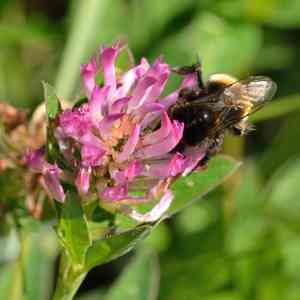
Zig-zag clover (Trifolium medium)
Also known as: Meadow clover
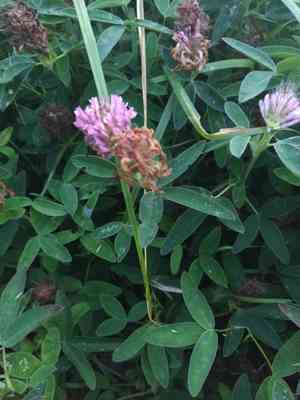
Zig-zag clover (Trifolium medium) is commonly found in fields and meadows with rich soil. Unlike its close relative, red clover (Trifolium pratense), zig-zag clover lacks the white markings on its leaves. The most distinctive feature of zig-zag clover is its attractive globe-shaped clusters of purple flowers.
In This Article
Attributes of Zig-zag clover
Lifespan
Perennial
Plant Type
Herb
Plant Height
30 cm to 50 cm
Spread
N/A
Leaf Color
Green
Flower Size
2 cm to 3 cm
Flower Color
Pink Purple Red
Images of Zig-zag clover
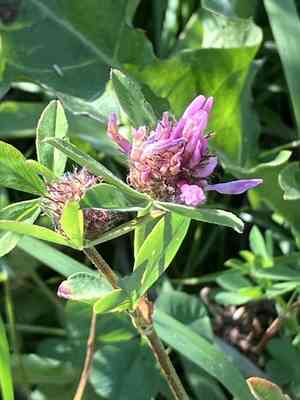
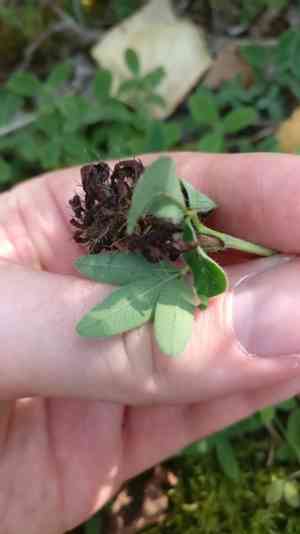
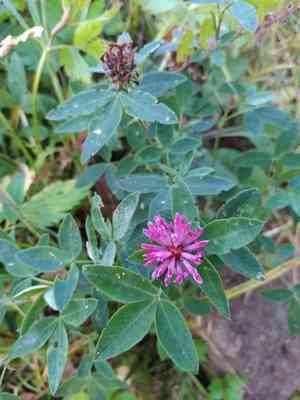
Quickly Identify Zig-zag clover
1
Trifolium medium can be identified by its pink to red zigzagging flower heads, trifoliate leaves, and elongated petioles. The stems are hairy and can reach up to 2 feet in length.
Scientific Classification of Zig-zag clover
Phylum
Vascular plants
Class
Dicotyledons
Order
Fabales
Family
Legume
Genus
Clovers
Species
Zig-zag clover
Planting and Growing of Zig-zag clover
Care Difficulty
Easy
Watering Schedule
Every 4 days
Sunlight Requirements
Partial sun
Sunshine Duration
6-10 hours
Ideal Temperature
59-77℉
Soil Type
Potting Mix, Peat Mix
Soil pH
6-7.5
Fertilizer Type
Balanced
Pruning Season
Spring, Summer
Pruning Area
Branches, Leaves
Pruning Frequency
2 times a year
Repotting Season
Spring
Pot Type
Plastic, Ceramic
 How to Water Zig-zag clover?
For Trifolium medium, the watering amount should ensure the soil is thoroughly moist but not waterlogged. About 250 ml of water per session is usually sufficient, adjusted based on the season and soil drainage capacity. It’s important to let excess water drain away to prevent root rot.
What are the symptoms of an underwatered Zig-zag clover?
›
What should I do if my Zig-zag clover is not getting enough water?
›
What are the symptoms of an overwatered Zig-zag clover?
›
How to save an overwatered Zig-zag clover?
›
 What Are the Sunlight Requirements for Zig-zag clover?
Trifolium medium benefits most from partial sun, ideally in areas receiving morning light and avoiding strong afternoon sun. Ideal light encourages denser foliage and robust flowering cycles.
More About Sunlight Requirements Techniques→
What is the best lighting condition for Trifolium medium?
›
How can Trifolium medium receive optimal lighting?
›
What benefits does optimal lighting provide for Trifolium medium?
›
 What Is the Ideal Temperature Range for Zig-zag clover?
The ideal temperature range for Trifolium medium, also known as zigzag clover, is between 59°F and 77°F. This range provides the optimal conditions for the plant to thrive, promoting healthy growth and flowering. Warmer temperatures within this range can encourage rapid vegetative growth, while cooler temperatures are favorable for maintaining the plant’s overall vigor.
 What Soil is Best for Zig-zag clover?
Trifolium medium benefits substantially from a soil with excellent drainage. Without good drainage, the plant can suffer from root rot, which impedes nutrient absorption. An ideal soil structure prevents waterlogging, ensuring the roots remain healthy and aerated. Having a nutrient-rich environment is crucial for Trifolium medium. Nutrients like nitrogen, phosphorous, and potassium enhance growth, leading to a lush and vibrant plant. Regular amendment with organic matter helps maintain soil fertility, which is vital for sustained plant health. Moderate moisture retention in the soil helps Trifolium medium maintain its hydration needs without being overly wet. This balance is critical to prevent root diseases and ensure that the plant can uptake water efficiently, helping it remain robust and resilient.
 How to Fertilize Zig-zag clover?
Determine the exact amount of fertilizer based on the plant’s size and growth stage. For Trifolium medium, a balanced fertilizer mix containing nitrogen, phosphorus, and potassium should suffice. Ensure nitrogen is slightly higher as it supports healthy, green foliage. A general recommendation is to use one tablespoon per gallon of water for liquid fertilizer. Adjust this based on the specific product's concentration.
 How to Prune Zig-zag clover?
Start by removing any dead or damaged stems and leaves. Use clean, sharp scissors or pruning shears to make clean cuts. Focus on trimming back leggy stems to a healthy set of leaves or buds. If the plant is dense, thin it out by cutting some stems at the base to increase air circulation and light penetration.
More About Pruning Techniques→
 How to Propagate Zig-zag clover plant?
1
Use a lightweight, well-draining seed starting mix. Moisten the mix slightly before filling seed trays to ensure an even moisture level, crucial for the initial stages of seed germination. This mix supports aeration and retains necessary moisture.
2
Scatter Trifolium medium seeds lightly across the surface of the prepared seed starting mix. Cover them with a thin layer of soil, approximately 0.5 cm in depth, and gently pat it down to ensure seed contact with the soil.
3
Collect healthy stems early in the day when they're most hydrated. Use a sharp, sanitized tool to cut the stems just below a node. Remove the lower leaves from the cutting to reduce water loss and apply rooting hormone to encourage root development.
 How to Repot Zig-zag clover plant?
1
Trifolium medium shows it's time for repotting when you notice roots protruding from the drainage holes, or the soil dries out more quickly than usual. The best time to repot is during early spring or autumn when the plant is not actively blooming. This helps reduce stress as the plant is more adaptable during these seasons.
2
Choose a pot that is only slightly larger than the current one, with good drainage holes. A terracotta pot can be ideal as it allows the soil to 'breathe', reducing the chance of root rot. Avoid excessively large pots as they can retain too much moisture, hindering root development.
3
Opt for a well-draining sandy loam soil, enriched with organic matter. This type of soil provides adequate aeration and drainage, crucial for preventing waterlogging, which can be detrimental to Trifolium medium's roots. The addition of organic matter feeds the plant gradually, supporting healthy growth.



