How to Propagate Zig-zag clover?
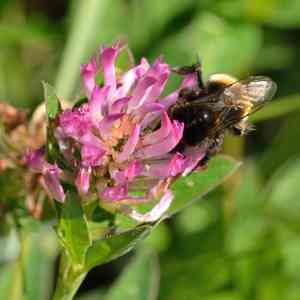
Zig-zag clover flourishes when multiplied via separation, a dependable technique suited to its developmental patterns. Begin by carefully splitting the plant's root system into smaller portions, making sure each possesses an adequate amount of root material and at least one sprout. It is crucial to avoid harming the roots during this procedure. After division, place the segments at their original planting depth in soil that drains effectively. Consistent irrigation is essential until the young plants are firmly rooted. This uncomplicated method provides an economical means to enlarge one's assortment of zig-zag clover.
When Is the Optimal Time to Propagate Zig-zag Clover?
Propagation Type
Cutting
Propagation Season
Spring,Summer
What Implements Are Utilized in Zig-zag Clover Propagation?
Cutting Mat
A cutting mat offers a smooth, clean surface, vital for making precise and clean cuts on zig-zag clover stem cuttings. It safeguards cutting tool blades, ensuring their sharpness and accuracy during propagation.
Sharp Pruners
Sharp pruners are essential for severing zig-zag clover stems, guaranteeing a clean, smooth cut without crushing plant tissues. This promotes quicker healing and lessens infection risk, boosting propagation success.
Rooting Hormone
Rooting hormone powder or gel stimulates root development at the cut site of zig-zag clover. Applying it to the cutting's base aids in rapid establishment and strong root growth, crucial for new zig-zag clover plants' survival and development.
Plant Pots
Plant pots are necessary to house each zig-zag clover cutting during the rooting phase. With appropriate size and drainage, these pots provide the required space and environment for root formation.
Potting Mix
A high-quality potting mix ensures zig-zag clover cuttings have the ideal soil environment for root growth. The mix should drain well yet retain sufficient moisture to keep cuttings hydrated.
Watering Can with a Fine Rose
Employ a watering can with a fine rose attachment to gently irrigate zig-zag clover cuttings, supplying the moisture needed for root development without dislodging them from the potting mix.
How to Propagate Zig-zag Clover?
Propagation Type
Easy
How to Nurture Your Newly Propagated Zig-zag Clover?
How to Nurture Your Newly Propagated Zig-zag Clover?
Once roots are established, gradually introduce zig-zag clover to ambient conditions by removing the cover for longer durations daily over a week. Transplant to a permanent spot with partial to full sun and well-draining, moisture-retentive soil. Consistent watering is vital, especially during dry spells. Lightly fertilize in spring with a balanced, slow-release fertilizer to support healthy growth and flowering.
Common Errors to Avoid When Propagating Zig-zag Clover
Overwatering
Excessive watering can lead to waterlogged soil, severely hindering zig-zag clover growth by fostering root rot and fungal diseases. This error impacts overall plant health, causing stunted growth or even demise.
Poor soil selection
Using an unsuitable soil type that drains poorly or lacks essential nutrients can be detrimental. Zig-zag clover requires well-drained soil to flourish. Poor soil choice may impede root development and reduce the plant's nutrient absorption efficiency.
Overcrowding
Planting zig-zigzag clover seeds or transplants too closely can restrict air circulation and sunlight, leading to slower growth rates and increased susceptibility to diseases. Overcrowding can significantly diminish overall propagation success.
Neglecting to remove weeds
Failing to effectively manage weeds around zig-zag clover can result in competition for vital resources like light, space, and nutrients, negatively impacting the health and spread of zig-zag clover.
Advice For Propagating Zig-zag Clover
Appropriate soil preparation
Prepare the soil adequately by ensuring it is loose and drains well. Incorporating organic matter can improve soil structure and fertility, providing a superior growing medium for zig-zag clover.
Correct spacing
Ensure proper spacing for zig-zag clover seeds or young plants to allow sufficient airflow and sunlight penetration. This practice promotes healthier growth and reduces disease risk.
Regular weeding
Maintain a consistent weeding schedule to prevent competition from weeds. This will help ensure zig-zag clover receives all necessary nutrients, water, and light, fostering more robust and successful propagation.
Moderate watering
Water zig-zag clover sufficiently to keep the soil moist but not saturated. Proper watering practices are crucial to prevent root diseases while ensuring the plant has enough moisture for optimal growth.



