How to Prune Carolina clover?
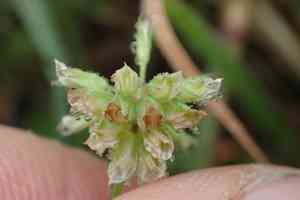
Carolina clover, a leguminous plant featuring a three-leaflet leaf structure, flourishes in turf environments. Consistent removal of withered or superfluous leaves fosters robust development and averts excessive density. Perform pruning in the spring to stimulate abundant summer flowering and once more in the autumn to preserve its form. Trimming during periods of active developmentâfrom spring to autumnâguarantees the best recuperation. Advantages of precise pruning encompass improved air movement, diminished susceptibility to ailments, and revitalized plants for a vibrant appearance.
Advantages of Trimming Carolina Clover
Advantages of Trimming Carolina Clover
Trimming carolina clover encourages robust development, preserves its desired form, and fosters a more vigorous and attractive appearance. Regular cutting can prevent excessive growth and improve the plant's overall vitality.
Optimal Time for Trimming Carolina Clover
Optimal Time for Trimming Carolina Clover
Trimming carolina clover in spring coincides with its post-winter revival when it begins active growth, aiding quick recovery and strong regrowth. Early summer pruning is suitable when carolina clover's growth is most vigorous, allowing it to handle the stress of trimming. Early fall is acceptable for removing spent flowers and excess growth before dormancy; however, avoid late fall pruning as new growth might be harmed by frost.
Necessary Tools for Trimming Carolina Clover
Hand Pruners
For severing the slender stems of carolina clover, sharp hand pruners are perfect. They provide clean cuts that help prevent harm to the delicate stems.
Gardening Scissors
Gardening scissors can be utilized for more precise trimming of carolina clover, especially for reaching into dense areas without damaging surrounding foliage.
Pruning Shears
To maintain the shape and promote the growth of carolina clover, pruning shears allow for quick snips and can be used for deadheading.
Gloves
While carolina clover is not typically thorny, gloves can shield hands from any potential irritation and offer a better grip on the tools.
How to Trim Carolina Clover
Prepare Tools
Prepare sanitized, sharp pruning shears or scissors to ensure clean cuts that will minimize damage to carolina clover.
Inspect Plant
Examine carolina clover thoroughly to identify any shriveled leaves, which may be yellow, brown, or otherwise discolored and dry.
Trim Withered Leaves
Using the prepared tools, snip away the withered leaves at their base, where they meet the stem or branch, taking care not to cut healthy parts.
Cleanup
Gently remove all the cut material from the plantâs vicinity to prevent any disease spread and to deter pests.
Water And Care
After trimming, water carolina clover if the soil is dry, and continue with regular care, avoiding overwatering.
Common Trimming Errors with Carolina Clover
Over-Pruning
Trimming too much can stress carolina clover, potentially leading to reduced vigor and sparse blooms. It requires only minimal trimming as it is a low-growing plant.
Improper Cutting Technique
Using dull or dirty tools, or making jagged cuts, can damage carolina clover and introduce disease. Clean, sharp pruners should be used to make clean cuts.
Pruning Healthy Tissue
Removing healthy foliage and stems can unnecessarily weaken carolina clover. Focus on dead or damaged material unless shaping the plant.
Ignoring Plant Shape
Randomly cutting without considering the natural shape of carolina clover can lead to uneven growth and a less aesthetically pleasing plant.
Removing Too Little
Failing to remove enough dead or diseased material can hinder carolina clover's health and aesthetic. It's important to be thorough when removing nonviable tissue.
General Trimming Advice for Carolina Clover
Timing
While the best season for pruning is excluded, ensure trimming is done during appropriate growth phases to promote recovery and flourishing.
Sanitation
Before and after trimming carolina clover, sterilize the tools to prevent the spread of diseases between plants.
Selective Pruning
Identify and selectively remove only the dead, damaged, or diseased parts of carolina clover to maintain its health without over-pruning.
Proper Tools
Use the correct tools, like pruning shears or scissors, suited for carolina clover's delicate framework, ensuring they are sharp for precise cuts.
Angle Of Cuts
Make cuts at a slight angle to avoid water accumulating on the cut surface, which can increase the risk of fungal infections for carolina clover.
Conservative Approach
Adopt a conservative approach to trimming carolina clover, since it's a small and generally low-maintenance plant, often requiring only light shaping or the removal of unsightly foliage.
Final Inspection
After trimming carolina clover, conduct a final inspection to ensure that all targeted areas were addressed and that the overall shape of the plant is natural and appealing.



