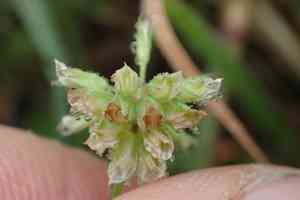
Carolina clover (Trifolium carolinianum)
Also known as: Carolina Clover
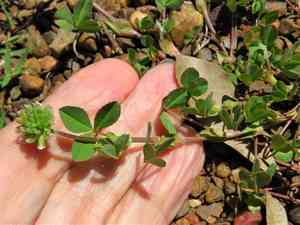
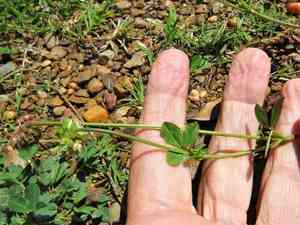
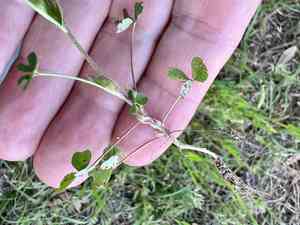
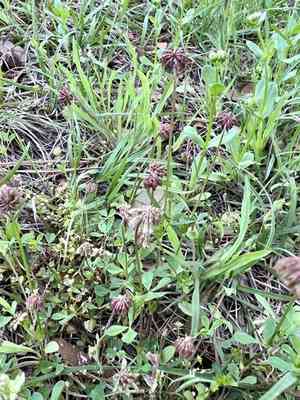
This small, upright herbaceous plant can be either an annual or, occasionally, a biennial, reaching heights of 10 to 40 cm. It features trifoliate leaves, each composed of three slender, sessile leaflets measuring 1 to 2 cm in length and 3 to 5 mm in width. The leaflets may have fine serrations and sometimes possess small hairs along their edges. At the base of each leaf, a pair of stipules is present, often characterized by red-tipped edges. This plant fits the general profile of clover species.
In This Article
Attributes of Carolina clover
Lifespan
Annual, Perennial
Plant Type
Herb
Plant Height
10-30 cm
Spread
Not Applicable
Leaf Color
Green
Flower Size
0.5-1 cm
Flower Color
Pink to white
Images of Carolina clover
Quickly Identify Carolina clover
1
Trifoliate leaves are a distinctive trait, aiding in plant identification.
2
Small, globe-shaped flower heads with white to pink hues stand out.
3
Slender stems reaching up to 8 inches (20 cm) provide structural support.
4
Delicate, fine-haired texture on leaves and stems adds to the plant's soft appearance.
5
Clusters of tiny florets in the flower heads contribute to a unique inflorescence.
Scientific Classification of Carolina clover
Phylum
Vascular plants
Class
Dicotyledons
Order
Fabales
Family
Legume
Genus
Clovers
Species
Carolina clover
Planting and Growing of Carolina clover
Care Difficulty
Easy
Watering Schedule
Every 3 days
Sunlight Requirements
Full sun
Sunshine Duration
4-8 hours
Ideal Temperature
60-75℉
Soil Type
Potting Mix, Peat Mix
Soil pH
6.5-7.5
Fertilizer Type
Balanced
Pruning Season
Spring, Summer
Pruning Area
Branches, Leaves
Pruning Frequency
2 times a year
Repotting Season
Spring
Pot Type
Plastic, Terracotta
 How to Water Carolina clover?
Trifolium carolinianum prefers consistent moisture but does not like to sit in waterlogged soil. Ideally, you should water it until the topsoil feels damp, usually requiring around 200 ml of water per session, depending on the soil conditions.
What are the symptoms of an underwatered Carolina clover?
›
What should I do if my Carolina clover is not getting enough water?
›
What are the symptoms of an overwatered Carolina clover?
›
How to save an overwatered Carolina clover?
›
 What Are the Sunlight Requirements for Carolina clover?
Full sun is the ideal range for Trifolium carolinianum, promoting robust growth and prolific blooming. It ensures that the plant can undergo effective photosynthesis, which is crucial for energy synthesis and promotes vigorous, healthy development.
What is the optimal light for Trifolium carolinianum?
›
How can I ensure ideal lighting conditions?
›
What benefits does ideal sunlight provide?
›
 What Is the Ideal Temperature Range for Carolina clover?
Trifolium carolinianum thrives in an ideal temperature range of 60°F to 75°F. In this range, the plant experiences optimal growth and photosynthetic activity. Temperatures within this range allow the plant to effectively manage its physiological processes, leading to robust and healthy development.
 What Soil is Best for Carolina clover?
Trifolium carolinianum thrives in soil that can hold moisture well without becoming waterlogged. Loamy soil provides this balance, ensuring the roots are consistently hydrated, which supports lush growth and enhances the plant's resilience to drought. Rich in nutrients, the soil should be fertile enough to supply essential minerals and nutrients to Trifolium carolinianum. This contributes to a robust growth cycle, promoting vibrant flowers and healthy foliage, maximizing the plant's ecological benefits. While moisture is crucial, proper drainage is equally vital to prevent root rot. Sandy loam offers an excellent drainage capacity, allowing excess water to flow away, thus maintaining an optimal moisture level for the plant.
 How to Fertilize Carolina clover?
Trifolium carolinianum responds well to moderate fertilization. Use approximately 10 grams of balanced 10-10-10 NPK fertilizer per plant during the growing season. Precise amounts can depend on soil quality and plant size, but a general guideline is to apply a small handful per square meter of soil.
 How to Prune Carolina clover?
Begin pruning Trifolium carolinianum by using a pair of clean, sharp scissors or garden shears. Focus on trimming back any dead or damaged leaves and stems. Cut back the plant to maintain its natural shape, ensuring not to remove more than one-third of the plant at any time to avoid stress. To encourage denser growth, pinch off the tips of the shoots. This stimulates branching and results in a fuller plant. Additionally, remove any flowering stems after they bloom to redirect energy back into the foliage, promoting further growth.
More About Pruning Techniques→
 How to Propagate Carolina clover plant?
1
Gather mature seeds from the plant once they have naturally dried on the stem. Make sure to collect them before any strong winds or rains displace the seeds.
2
Mix a well-draining seed starting soil with equal parts of sand and compost. The mix should be moist but not soggy, providing a suitable medium for seed germination.
3
Sow the seeds lightly on the surface of the prepared soil mix and cover them with a thin layer of soil. Place the seed tray in an area with indirect sunlight and maintain consistent moisture.
 How to Repot Carolina clover plant?
1
Trifolium carolinianum should be repotted when you notice its roots starting to outgrow the current container. Indications include roots growing out of the drainage holes or if the plant's growth noticeably slows down. Repotting in spring or autumn gives the plant the best chance to adapt before extreme weather conditions.
2
Choose a pot that is 1-2 inches larger in diameter than the current one. Make sure it has adequate drainage holes to prevent waterlogging, which can lead to root rot. Using a slightly larger pot encourages healthy root growth without overwhelming the plant with excess soil.
3
Opt for a well-draining, loamy soil that retains some moisture but drains excess water effectively. This balance prevents the roots from sitting in water, reducing the risk of rot, and provides the necessary nutrients for healthy growth.



