How to Propagate Carolina clover?
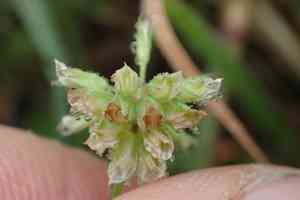
Belonging to the Fabaceae botanical group, carolina clover is a persistent leguminous plant that flourishes in moderate climates. For successful reproduction, its seeds ought to be planted directly into the ground. Before planting, abrading the seed's outer layer can boost sprouting success. After placement, guarantee the planting area stays uniformly damp yet not saturated to encourage robust root formation. Precaution should be exercised to prevent excessive density by distributing the seeds appropriately, providing each carolina clover sufficient space for growth. Consistent monitoring and upkeep are crucial for detecting and resolving potential problems like infestations or illnesses promptly.
Optimal Time for Carolina Clover Propagation
Propagation Method
Seeding
Propagation Period
Spring
Tools for Carolina Clover Propagation
Seed trays
Seed trays are vital for the controlled germination of carolina clover's seeds. They help maintain an organized growing environment, allowing for easy monitoring and care of young plants. Their compact design optimizes space and supports the growth of multiple seeds in a regulated setting, crucial for uniform development of carolina clover.
Soilless potting mix
A soilless potting mix offers a sterile medium for carolina clover seeds, promoting better aeration and moisture retention than regular soil. This reduces the risk of soil-borne diseases affecting germination and young seedlings of carolina clover, thereby improving propagation success.
Misting bottle
A misting bottle is essential for gently watering carolina clover seeds without dislodging them. The fine mist ensures the soil remains moist but not saturated, creating optimal hydration for germination. This tool is particularly effective for maintaining the delicate moisture balance needed during carolina clover's early growth stages.
Heat mat
A heat mat aids effective germination by providing consistent bottom heat, which benefits carolina clover. This gentle warmth increases soil temperature, boosting germination rates and ensuring more uniform growth among seedlings. It's especially important during colder months or in cooler climates where ambient temperatures might not support carolina clover's germination.
How to Propagate Carolina Clover?
Propagation Type
Simple
Caring for Newly Propagated Carolina Clover
Caring for Newly Propagated Carolina Clover
After propagating carolina clover, keep the soil consistently moist and apply a thin layer of mulch to retain moisture and suppress weeds. As carolina clover establishes, reduce watering frequency, allowing the soil to dry slightly between waterings. Carolina clover doesn't need frequent fertilization; a light application of balanced fertilizer in early spring can support flowering and growth. Monitor for pests and diseases, though carolina clover is generally low-maintenance and resilient. Proper care ensures robust growth and abundant blooms.
Common Propagation Errors for Carolina Clover
Overwatering
Excessive watering of carolina clover can lead to root rot, a condition where roots decay, hindering the plant's ability to absorb nutrients and water. This error often results in stunted growth or even the death of carolina clover.
Poor Soil Preparation
Failing to prepare well-draining soil with the correct nutrient balance is a significant error. Carolina clover thrives in well-drained soil, and poor soil conditions can impede root development and overall plant health.
Overcrowding
Planting too many carolina clover seeds too closely can cause competition for light, nutrients, and space. This overcrowding can reduce the overall health and vigor of the plants, potentially leading to weaker and less productive specimens.
Tips for Propagating Carolina Clover
Correct Seed Sowing Depth
Sowing carolina clover seeds at the appropriate depth is crucial for successful germination. Seeds sown too deep may not sprout well, while those too shallow could be exposed to the elements. A light covering of soil, roughly a few millimeters, is usually ideal.
Regular Monitoring
Closely observing moisture levels, soil condition, and general plant health can significantly impact the success of carolina clover propagation. Promptly adjusting care based on observed conditions can help prevent issues before they become problematic.
Spacing
Ensuring adequate space between seeds when planting promotes better air circulation, reduces moisture-related diseases, and encourages strong growth. Proper spacing allows individual carolina clover plants to receive sufficient sunlight and nutrients from the soil.



